Swimming prodigy Yu Zidi 13, says 'interviews way harder than racing'
NAGOYA: The 13-year-old Chinese swimmer Yu Zidi has taken the Asian Games by storm, but when it comes to the intense interest in her, she said: “Interviews are way harder than the race.”
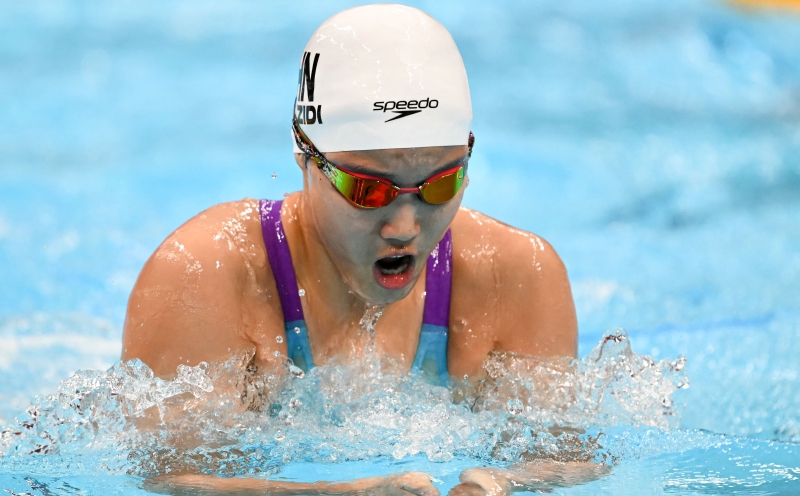
NAGOYA: 13-year-old Chinese swimmer Yu Zidi has dominated the Asian Games, but she admits interviews are far more challenging than the races themselves. Yu shattered the Games record by winning the women's 200m butterfly and the 200m individual medley, both in Tokyo. Her 2-minute 06.10-second time in the medley set the world record for the year, just 0.40 seconds shy of Canada's Summer McIntosh's world record.
This young prodigy has been the focus of attention since becoming the youngest medallist in world championships history last year, winning bronze for China's relay team at just 12. Yu, who will turn 14 soon, admits the pressure of media attention is tougher than racing. She finds it difficult to come up with what to say in front of numerous Chinese and international reporters clamoring for her attention.
When questioned, she responds hesitantly, stating that she merely repeats the technical advice her coach has given her in her mind. During races, she advises focusing on the last 50 meters, giving it everything without thinking about anything else. Under World Aquatics rules, the minimum age for major international championships is 14, but exceptions can be made for exceptionally talented younger swimmers like Yu.
Some in the swimming community have questioned the mental and physical toll of such high-level training and competition at a young age. Yu has acknowledged the struggle to balance school work with her position as the top young talent in swimming. Her two gold medals at the Asian Games this week have sparked a sensation in China, and her story, including her discovery at a water park and her interview difficulties, have become viral sensations.
When asked if answering questions was the hardest part, Yu giggled, saying, "Every time I just want to float off somewhere else."
Written by urgent.news from New Straits Times's reporting — not their text. Machine-written — may contain errors; check the original before relying on it.