Santander anticipa el final del deterioro crediticio en Brasil
El banco apuesta por una mayor diversificación de la cartera, con más énfasis en clientes de rentas altas. Leer
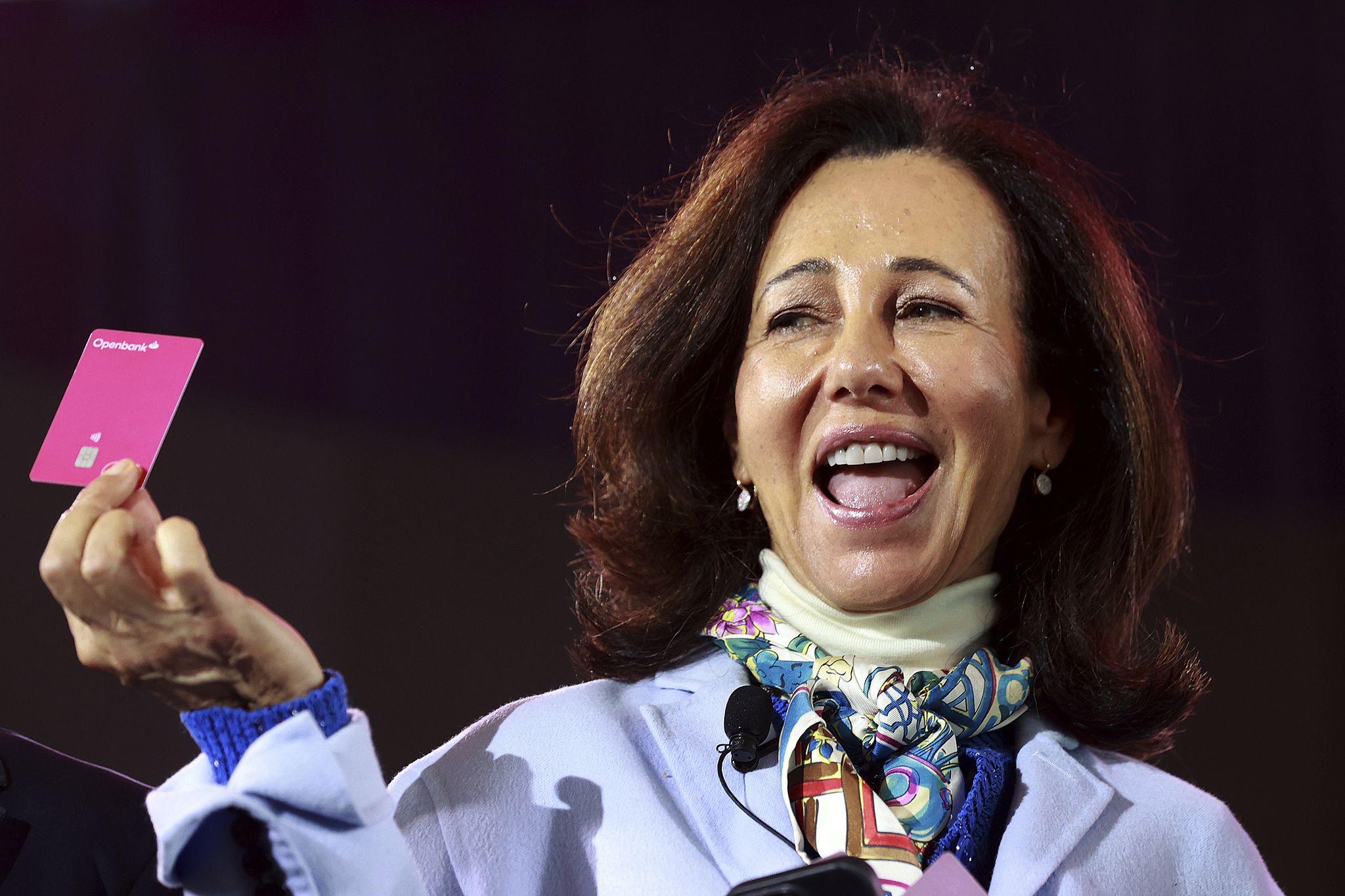
Santander anticipates the end of credit deterioration in Brazil, emphasizing a diversified portfolio with a focus on high-income clients. The bank believes the challenging business situation in Brazil is nearing an end and that the worst has already passed in the evolution of the risk cost. Santander expects the risk cost indicator to not worsen from the 4.2% forecast for 2026.
The company has adjusted its portfolio to reduce exposure to risk, particularly in Brazil where it faces the highest risk cost. The strategy change is evident in both corporate and retail banking. Santander is shifting its corporate and investment banking (CIB) portfolio towards exporters, foreign trade financing, and related activities, with 30% of the portfolio in dollars.
In retail banking, the bank is emphasizing the affluently income segment for mortgages. The high-income segment has increased its share in the retail portfolio by four percentage points in the past year. The bank acknowledges that this mix change may put pressure on margins but allows for better management of the risk cost. This measure may have short-term impacts on income but is crucial for achieving a more balanced, resilient, and predictable operation, according to Carlos Muñiz, Santander Brasil's Chief Financial Officer.
The macroeconomic environment remains challenging, with Banco Santander Brasil CEO Hector Grisi stating that the Brazilian economy is experiencing a gentle landing and expects resilient growth in 2026, supported by fiscal stimulus, household consumption, exports, and a still-strong labor market. However, credit is starting to reflect the impact of restrictive monetary policy over the past year and a half, and inflation expectations remain rigid.
The normalization of interest rates is also slower than Santander initially anticipated. The bank still anticipates some cuts this year, though not significant, and expects a reference rate of around 13.5% by the end of 2026. For subsequent years, the bank expects a gradual reduction of 100 to 150 basis points, which should contribute to improving profitability.
Despite high interest rates, the interest margin behavior is showing some resistance. In the first half of the year, it increased by around 2% year-over-year, driven mainly by Openbank and corporate and investment banking. Santander notes that deposit costs in the first half of the year were 87 basis points higher than in the same period in 2025, but still managed to record a positive growth in the interest margin thanks to the mix change in assets.
The new portfolio mix, along with the monetary policy relaxation, will be the key driver of the return on tangible equity (RoTE), which is expected to reach 20% in 2028 from the current 15%, according to the group's predictions. In retail banking, mortgages have increased their share in the portfolio from 26.5% to 29.3% in the last year, while credit cards have risen from 21.9% to 24.8%.
Auto loans have decreased from 3% to 1.9%, and payroll credits have fallen from 25% to 21.3%. Despite the optimistic outlook, the geopolitical scenario in Brazil remains uncertain, with the October elections being the main source of uncertainty identified by the management. Santander believes that activity will remain solid in 2026 but acknowledges doubts about the sustainability of growth after the elections.
The finance director of Grupo Santander, José Garcia Cantera, highlights the increase in public spending before the elections as one of the factors limiting the margin for significant interest rate reductions. In the best-case scenario, the bank envisions Lula's re-election. In terms of geography, Brazil is the second-largest market contributing to the group's results, accounting for 12%, behind Spain.
In the first half of the year, the net profit was 1.093 million euros, an increase of 4.8% constant exchange rates. The activity in Brazil represents 9% of the bank's loans. Santander's message about Brazil is more constructive compared to previous quarters. The bank does not yet present a full recovery scenario but considers the credit deterioration phase to be nearing its end, with risk control through mix change, possible monetary normalization in the coming years, and business transformation expected to recover profitability, aiming for a RoTE of 20% by the end of the strategic plan.
Written by urgent.news from Expansion ES's reporting — not their text. Machine-written — may contain errors; check the original before relying on it.