Risks of Decompression Sickness and Venous Thromboembolism during Spaceflight and Patent Foramen Ovale Implications
NASA’s Office of the Chief Health and Medical Officer formed a working group in August 2026 to review the most recent data related to extravehicular activity (EVA) prebreathe testing and decompression sickness (DCS) events, venous thromboembolism (VTE) in-flight occurrences, and patent foramen ovale (PFO) implication as they relate to NASA’s Artemis (lunar and beyond) missions. The…
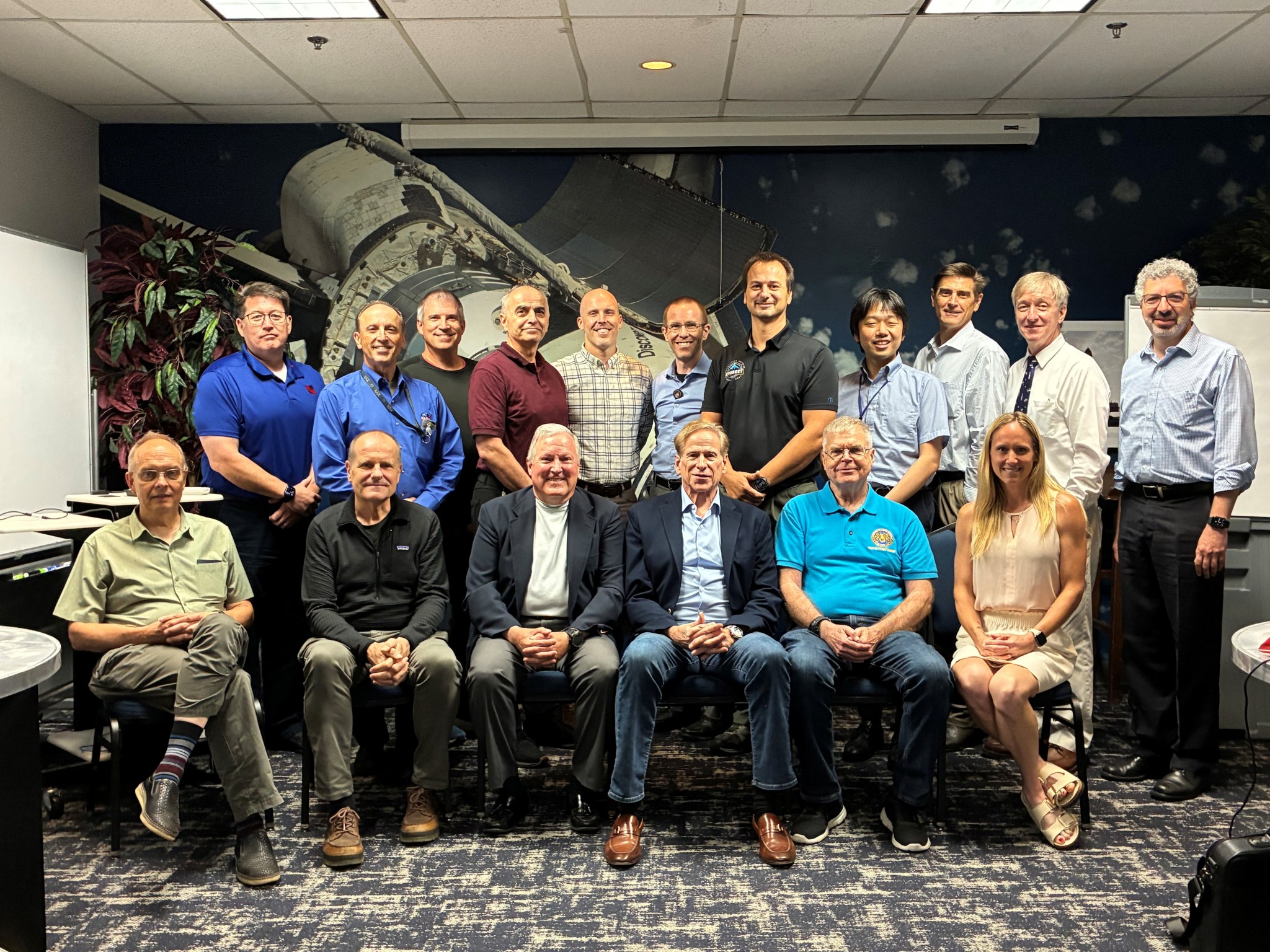
A panel of experts gathered to review recent data on decompression sickness (DCS), venous thromboembolism (VTE), and patent foramen ovale (PFO) implications for NASA's Artemis missions. The recommendations from this working group were informed by the outcomes of previous assessments and risk working groups.
The panel suggested discontinuing the removal of subjects from ground studies based solely on the presence of left ventricular global early diastolic (LVGE) motion. Protocols should aim to balance safety with representative participant selection, informing participants of their LVGE status and associated risks.
Regarding patent foramen ovale (PFO), the panel found no significant risk association with venous thromboembolism (VTE) formation or complications from VTE passing through large PFOs. They concluded that a small PFO (Grade 1 or 2) does not pose a major risk. However, they did not recommend universal screening or exclusion of astronauts with large PFOs (Grade 3 or above), emphasizing the importance of risk mitigation through protocol design and ongoing data collection.
Closing or screening out crew members with large PFOs was not recommended, but they suggested considering closure for large PFOs if assessed.
The panel concluded that clear clinical guidance is needed regarding medication use for astronauts prior to extravehicular activities (EVAs). They recommended protocols addressing the use of aspirin for DCS prevention and pain relief, as well as guidance on the use of analgesics (acetaminophen, ibuprofen, naproxen, celecoxib) during EVA, as these medications may mask DCS symptoms.
Written by urgent.news from NASA Science's reporting — not their text. Machine-written — may contain errors; check the original before relying on it.