Risks of Decompression Sickness and Venous Thromboembolism during Spaceflight and Patent Foramen Ovale Implications
NASA’s Office of the Chief Health and Medical Officer formed a working group in August 2026 to review the most recent data related to extravehicular activity (EVA) prebreathe testing and decompression sickness (DCS) events, venous thromboembolism (VTE) in-flight occurrences, and patent foramen ovale (PFO) implication as they relate to NASA’s Artemis (lunar and beyond) missions. The…
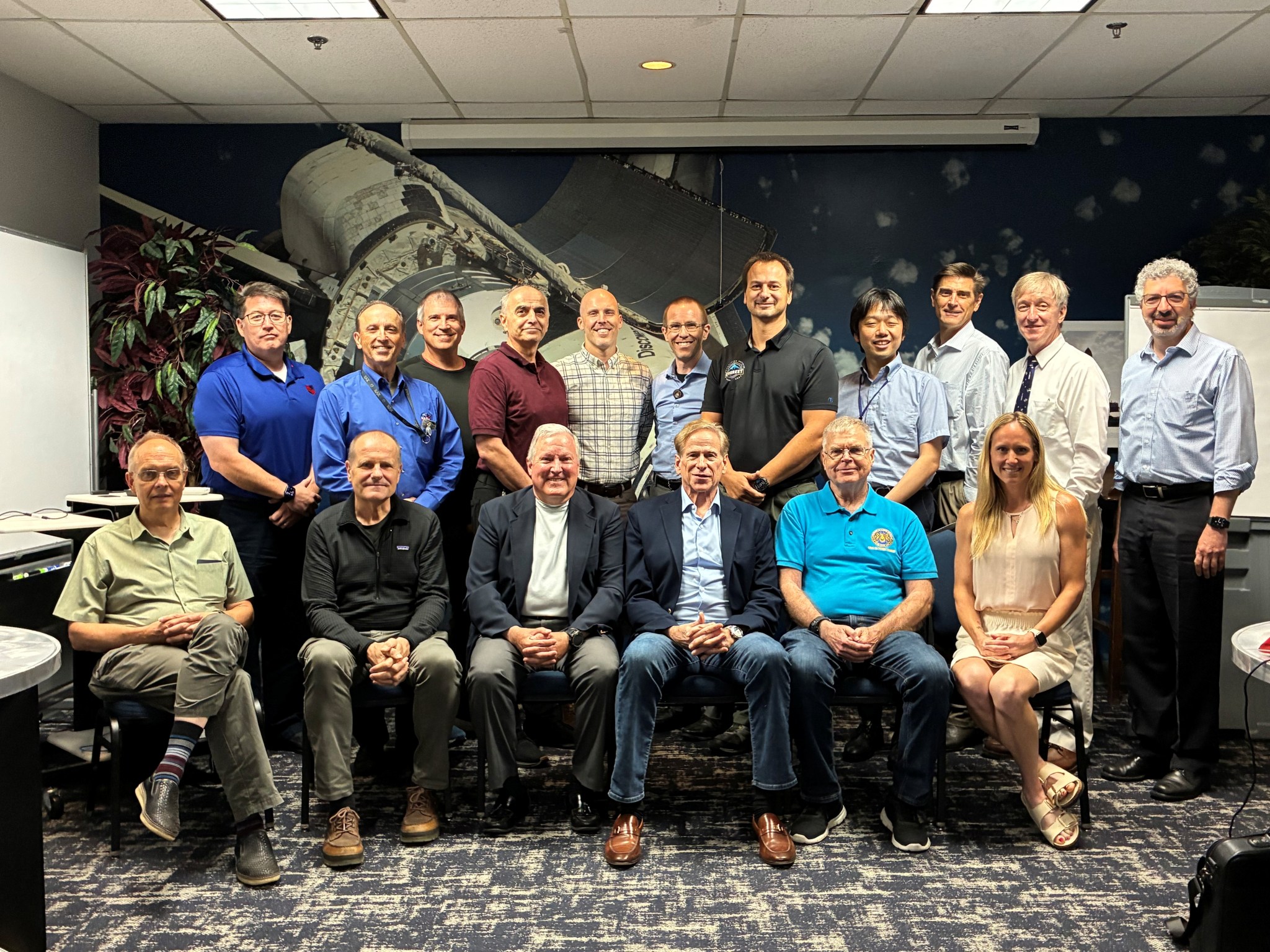
NASA has convened a panel of experts to review the latest data on decompression sickness (DCS), venous thromboembolism (VTE), and the implications of patent foramen ovale (PFO) for future lunar and deep space missions under the Artemis program. The working group's recommendations are informed by a series of recent assessments and guidelines.
The panel's key recommendations include continuing ground-based studies of subjects with left ventricular global enhancement (LVGE), ensuring subjects are fully informed about their LVGE status, and considering the representative nature of the study population. The presence of a PFO is not considered a major risk factor for VTE or DCS complications. No changes to astronaut selection criteria based on PFO status are recommended for VTE prevention.
Regarding PFO, a small (Grade 1 or 2) is deemed to pose no significant risk, while larger PFOs (Grade 3 or above) require careful consideration. While a universal screening or exclusion of astronauts with large PFOs is not recommended, the panel suggests that if such individuals are assessed, they should be informed of their condition and offered closure procedures. The panel did not reach a consensus on whether bubble grades predict DCS risk during prebreathe protocols involving partial gravity and ambulation.
Additionally, the panel emphasized the need for clear clinical guidance on medication use prior to Extravehicular Activities (EVAs). Specifically, protocols should address the use of aspirin for DCS prevention and pain relief, as well as the potential masking of DCS symptoms by analgesics such as acetaminophen, ibuprofen, naproxen, and celecoxib. This guidance is crucial for ensuring astronaut health and mission safety during lunar and beyond missions.
Written by urgent.news from NASA's reporting — not their text. Machine-written — may contain errors; check the original before relying on it.
This story
This is one outlet's version. Read the fullest account.