Rare Congenital TORCH Infections Tied to Greater Autism Risk in Kids
(MedPage Today) -- A collection of rare infections passed from mothers to fetuses raised the risk of autism or intellectual disability in offspring, according to a Swedish population-based cohort study. Among nearly 3.7 million children born in...
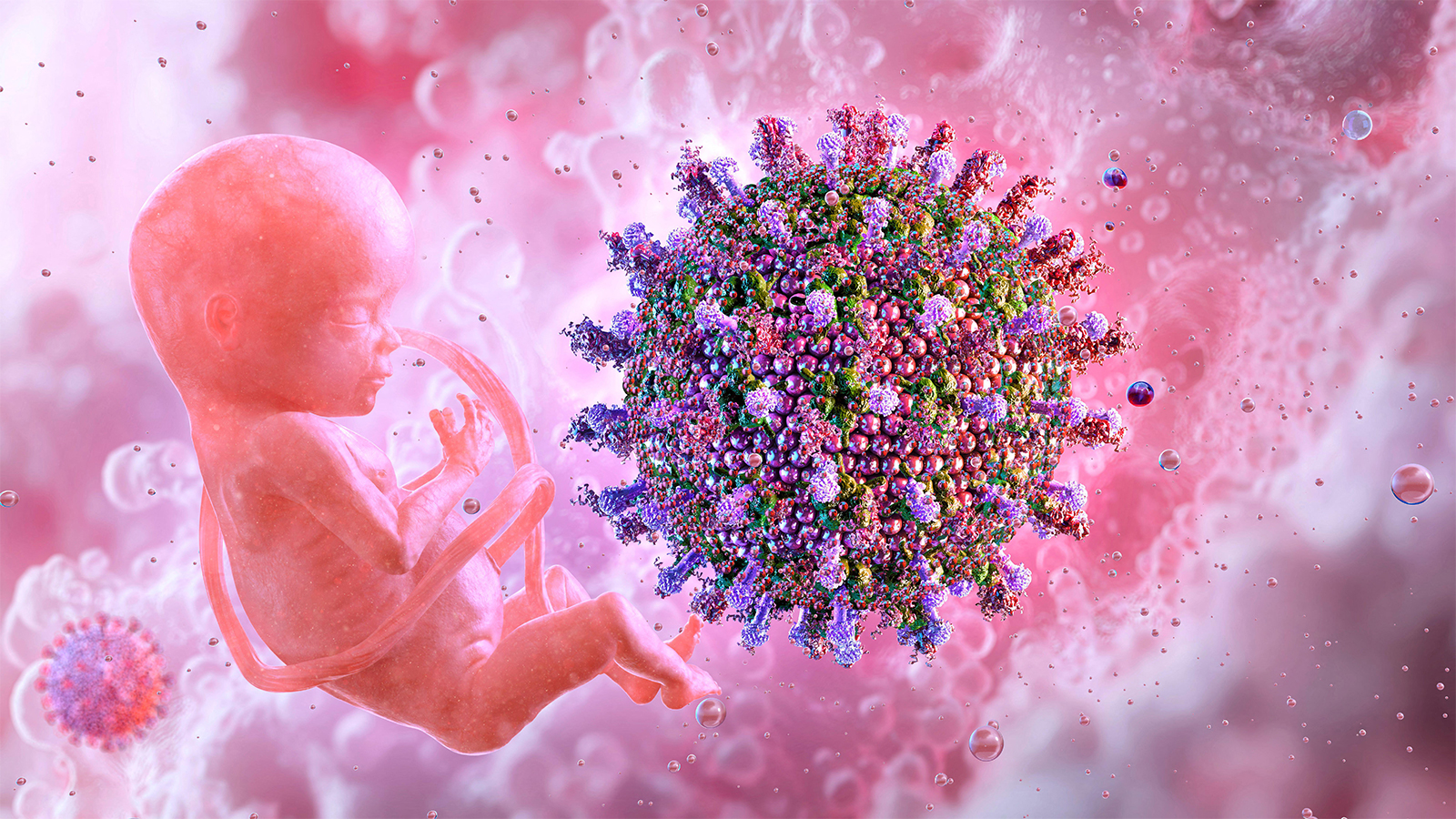
A recent study reveals that children born to mothers who contracted infections during pregnancy face a significantly higher risk of developing autism and intellectual disabilities. Known as TORCH infections, these include syphilis, rubella, toxoplasmosis, cytomegalovirus, and herpesvirus. The research, conducted on 3.7 million individuals born in Sweden between 1987 and 2021, found that those diagnosed with a congenital TORCH infection were three times more likely to receive an autism diagnosis and over seven times more likely to be diagnosed with an intellectual disability compared to those without such infections.
The study suggests that these infections, while rare, can have profound long-term impacts on brain development and should be a public health priority.
Written by urgent.news from Euronews's reporting — not their text. Machine-written — may contain errors; check the original before relying on it.
This story
This is one outlet's version. Read the fullest account.