NASA-Funded Research Finds Complex Life Defying Record Heat
NASA-supported scientists have discovered an organism that lives at extreme temperatures previously thought impossible for complex life. High temperatures can cause the destruction of necessary cell components, which is a big problem for cells with complex parts like a nucleus encasing delicate genetic information. In the heated waters of California’s Lassen Volcanic National Park, a […]
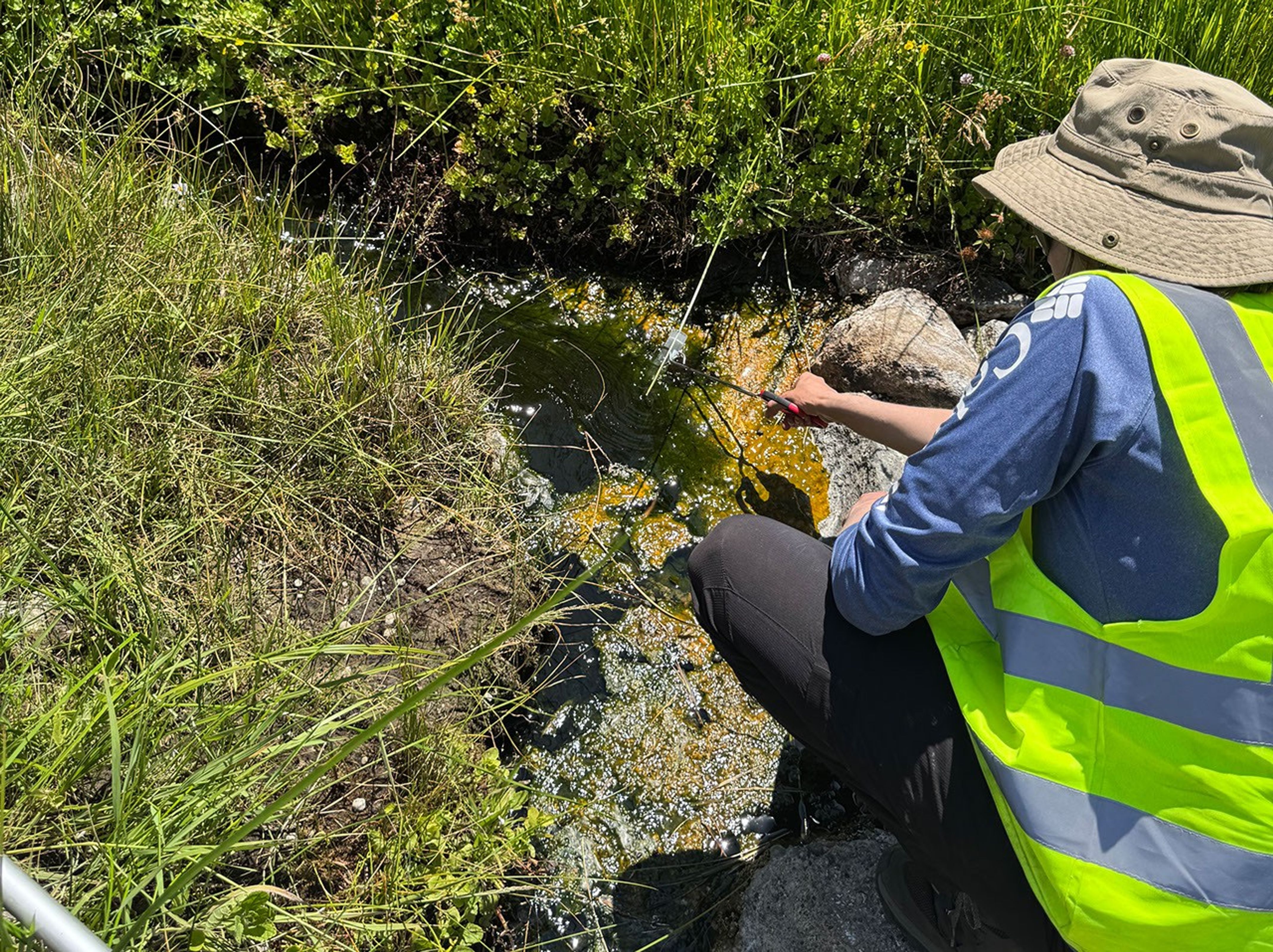
A NASA-funded research study has unveiled a complex organism capable of surviving in temperatures that were previously considered impossible for intricate life forms. This microscopic organism, named Incendiamoeba cascadensis or the fire amoeba, was discovered thriving in the scorching waters of California's Lassen Volcanic National Park.
The amoeba can withstand temperatures up to 145 degrees Fahrenheit (63 degrees Celsius) and still remain active, moving around to search for food at up to 147 degrees Fahrenheit (64 Celsius). While it stops reproducing above 145 degrees Fahrenheit, it continues to function and search for sustenance within this extreme heat environment.
The previous record for complex life existence at high temperatures was set by a few species of fungi and red algae, which could only endure temperatures up to 140 degrees Fahrenheit (60 Celsius). This discovery has significant implications for astrobiology – the study of life beyond Earth. By understanding the limits of life's survival on our planet, scientists can better determine the conditions where other organisms might exist on other worlds like Mars, where conditions are significantly harsher than those found on Earth.
Extremophiles, organisms that can thrive under extreme conditions such as high temperatures, low pH levels, radiation, and other hostile environments, have long been studied by astrobiologists. Their resilience offers insights into the potential capabilities of Earth-based life and could provide valuable information about the possibility of life existing on other planets with extreme environments.
Previously, most studies focused on single-celled bacteria and archaea, but this new research demonstrates that complex eukaryotic cells, which are more intricate than single-celled organisms, might also possess a greater level of resilience than previously assumed.
Written by urgent.news from NASA's reporting — not their text. Machine-written — may contain errors; check the original before relying on it.
This story
This is one outlet's version. Read the fullest account.
- NASA-Funded Research Finds Complex Life Defying Record Heat science.nasa.gov