Hot spring amoeba breaks record for heat tolerance of complex life
A tiny, single-celled organism can thrive at temperatures that would kill all other known complex life. In a study published in Cell, scientists describe a new species of amoeba that can eat and reproduce in hot spring water as warm as 63°C (145°F) in California's Lassen Volcanic National Park. The amoeba can protect itself at temperatures up to 70°C (158°F) by changing shape and forming a…

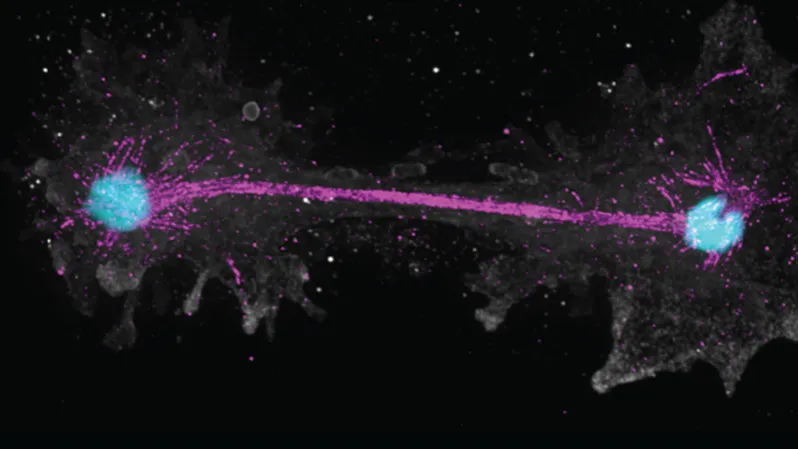
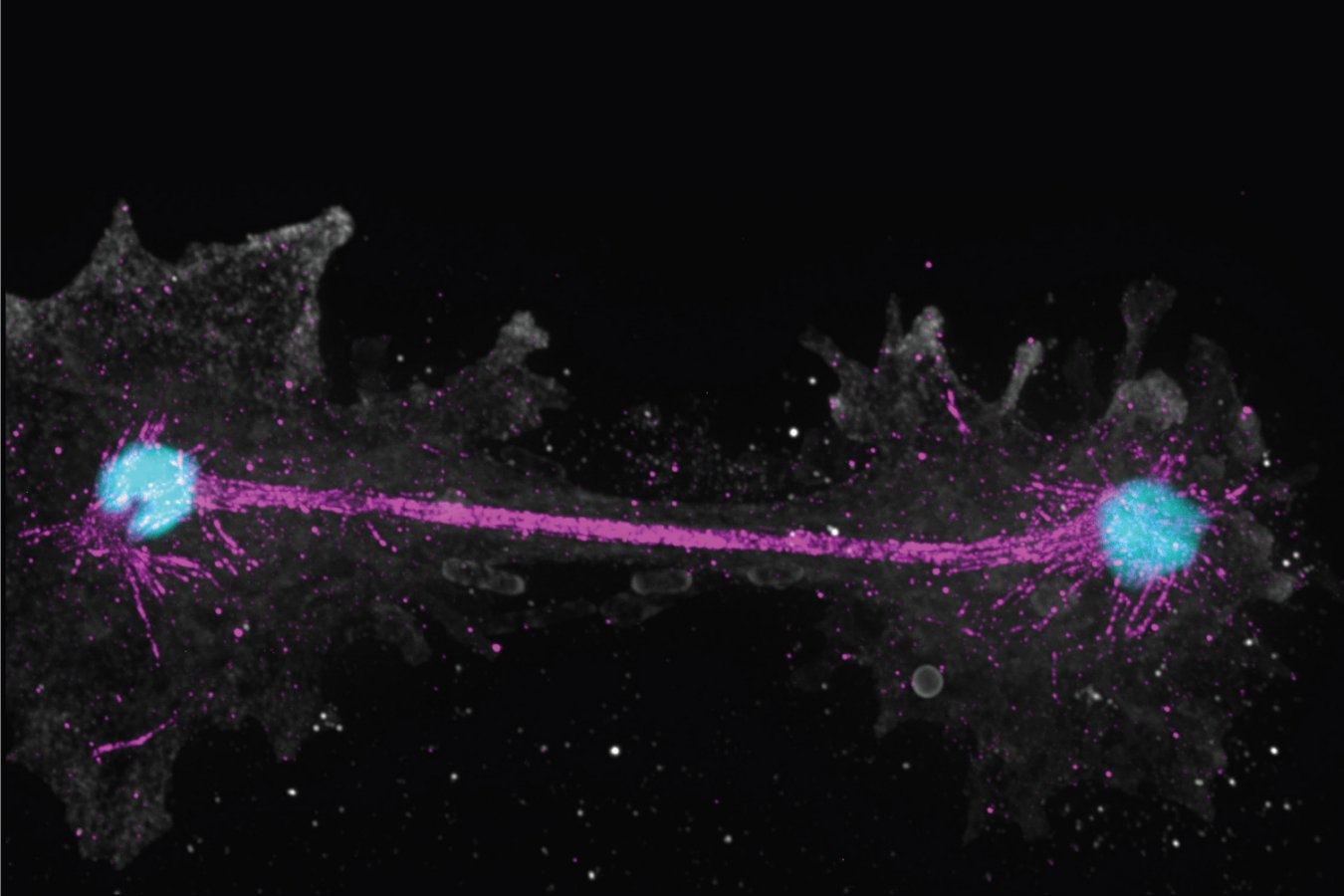
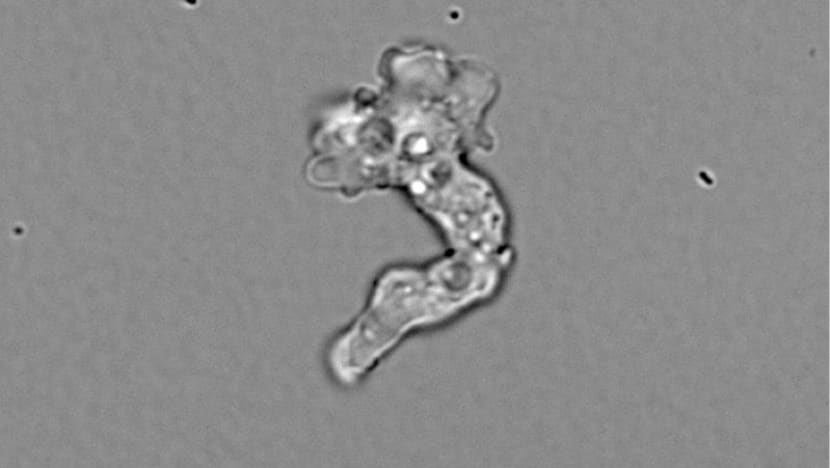
NASA-funded research has discovered an organism capable of thriving in extreme heat, breaking previous records for complex life. The amoeba, named Incendiamoeba cascadensis or "fire amoeba," can reproduce at temperatures as high as 145 degrees Fahrenheit (63 degrees Celsius) and remains partially active at 150.8 degrees Fahrenheit (66 degrees Celsius). At this extreme heat, the amoeba can even recover after exposure to a scorching 158 degrees Fahrenheit (70 degrees Celsius) for five minutes.
This finding challenges the previous belief that complex life could only survive at lower temperatures. Eukaryotes, which include organisms like plants and animals, have a nucleus and membrane-bound organelles, making them more vulnerable to the destructive effects of high temperatures. However, the discovery of I. cascadensis has researchers rethinking the limits of what complex life can endure.
The amoeba was found in the heated waters of California’s Lassen Volcanic National Park, where scientists observed its remarkable resilience. While it stops reproducing above 145 degrees Fahrenheit, it continues to move around to search for food at up to 147 degrees Fahrenheit (64 Celsius). The previous temperature limit for eukaryotes was set at 140 degrees Fahrenheit (60 Celsius) by a few species of fungi and red algae.
The research team, led by graduate student Beryl Rappaport at Syracuse University, compared the genetic information of I. cascadensis with other studies worldwide. They found similar DNA sequences from geothermal samples in locations like New Zealand and Yellowstone National Park, suggesting that additional thermophilic amoebas related to I. cascadensis may exist globally, waiting to be discovered.
Understanding the ability of complex life to survive in extreme heat has implications for astrobiology, as it helps scientists determine how life might exist on other worlds with harsher conditions, such as Mars. Additionally, the discovery may lead to new insights for biotechnology, with the unique proteins produced by extremophiles potentially having applications in various industries.
Written by urgent.news from NASA Science's reporting — not their text. Machine-written — may contain errors; check the original before relying on it.
This story
This is one outlet's version. Read the fullest account.
- NASA-Funded Research Finds Complex Life Defying Record Heat science.nasa.gov
- Fire amoeba breaks heat tolerance record for complex life newscientist.com