MAS warns of fresh global shocks and AI pullback, but says Singapore firms and households well-buffered
Economies benefitting from AI-related exports and investments can handle higher debt costs for now, but they are also the most vulnerable if the AI boom cools.
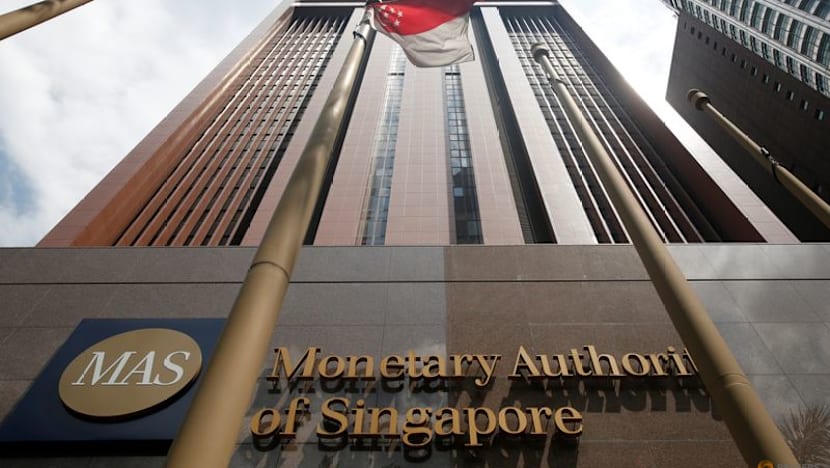
The Monetary Authority of Singapore (MAS) has warned of potential global shocks and a possible AI pullback, despite acknowledging that Singapore's companies, households, and financial institutions are well-prepared for such challenges. MAS reported that economies benefiting from AI-related exports and investments can currently handle higher debt costs, but the AI boom could turn against them if the trend reverses.
Singapore's financial stress index briefly spiked due to the Middle East conflict but quickly returned to historically low levels.
The central bank highlighted that shifts in global risk sentiment may generate renewed stress, which could stem from heightened geopolitical tensions in the Middle East, more trade restrictions, or a correction in the AI cycle. Despite the rapid growth of AI infrastructure, MAS said that higher global interest rates, rising semiconductor and electricity costs, and growing dependence on market financing have raised the hurdle rate for AI investments.
While AI investment continues to support economic activity and corporate earnings, strong and sustained revenue growth, along with eventual profitability, is crucial for large investments in data centers and advanced semiconductors.
MAS noted that economies with strong links to AI and robust earnings and investment are better equipped to absorb higher borrowing costs. However, they also face greater exposure to a potential AI pullback. Conversely, those with weaker ties to AI and larger fiscal or current account deficits are more susceptible to tighter global financial conditions.
The central bank emphasized that domestic financial conditions have remained generally accommodative, with easing borrowing costs and tightening credit spreads over the past year. While most firms and households have strong balance sheets and buffers to withstand shocks, highly leveraged firms with limited liquidity could face difficulties.
In light of the uncertain macroeconomic outlook, MAS advised firms and households to manage their finances prudently and maintain adequate liquidity buffers. Banks and insurers have proven well-capitalized and capable of withstanding severe macro-financial shocks, but MAS urged them to maintain sound risk management practices and healthy buffers.
A broader repricing of risk assets among investment funds could lead to fund redemptions and capital losses. Consequently, MAS recommended that these entities maintain sound liquidity positions.
Written by urgent.news from CNA - Business's reporting — not their text. Machine-written — may contain errors; check the original before relying on it.
This story
This is one outlet's version. Read the fullest account.