MAS warns of fresh global shocks and AI pullback, but says Singapore firms and households well-buffered
Economies benefitting from AI-related exports and investments can handle higher debt costs for now, but they are also the most vulnerable if the AI boom cools.
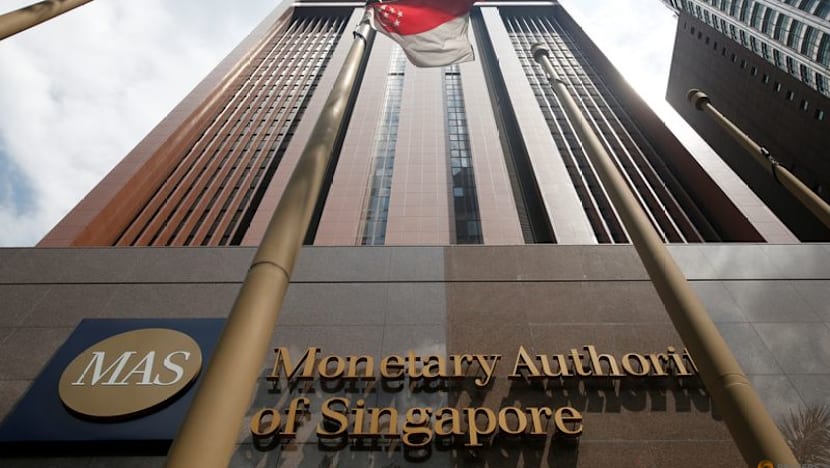
The Monetary Authority of Singapore (MAS) has cautioned of potential global disruptions and a possible slowdown in artificial intelligence (AI) investments, while also highlighting the resilience of Singapore's financial institutions. The central bank affirmed that Singapore's companies, households, and financial institutions possess sufficient buffers to navigate macroeconomic uncertainties, though they should remain vigilant.
MAS noted that while economies leveraging AI-related exports and investments can absorb higher debt costs for now, they are also the most susceptible if the AI boom subsides. The central bank pointed to potential stressors such as heightened geopolitical tensions, stricter trade policies, or a correction in the AI cycle. Shifts in global risk sentiment could reignite financial stress, according to MAS.
AI infrastructure growth has become a critical driver of global capital demand, the central bank emphasized. However, higher global interest rates, rising semiconductor and electricity costs, and increasing reliance on market financing have raised AI investment hurdles. Despite AI investments sustaining economic activity and corporate earnings, equity valuations now demand strong, sustained revenue growth and significant profitability from large investments in data centers and advanced semiconductors, MAS warned.
The bank cautioned that a significant earnings shortfall or anticipated returns could prompt a broader reassessment of AI-related valuations, potentially impacting public equities, corporate bonds, and private credit markets. While AI-reliant economies can better tolerate higher borrowing costs, those with weaker links to AI and larger fiscal or current account deficits may face more direct repercussions from tighter global financial conditions.
MAS highlighted the Middle East conflict's resurgence and ongoing uncertainty in trade policy as additional inflation risks. Diminishing spare oil capacity leaves commodity markets vulnerable to price volatility, and higher tariffs along with trade restrictions are elevating production costs. Geopolitical tensions are amplifying the likelihood of recurrent disruptions across energy markets, shipping lanes, and technology supply chains.
While domestic financial conditions have been generally accommodative, MAS observed a downward trend in the three-month Singapore Overnight Rate Average (SORA) and tightening Singapore investment-grade credit spreads. The Straits Times Index rose 33% year-on-year in Q3 2026, and bank credit growth remained robust. However, MAS cautioned that rising global interest rates could impose some tightening pressures in the near term.
Most firms and households possess robust balance sheets and are expected to withstand stress, with MAS stress tests confirming their resilience under severe macro-financial shocks. Banks and insurers are well-capitalized and capable of handling redemption requests under duress. Nonetheless, MAS advised that the financial sector should maintain sound risk management practices and healthy buffers amid the uncertain environment.
Insurers should anticipate potential fund redemptions and capital losses from a broader revaluation of risk assets.
Written by urgent.news from CNA - Singapore's reporting — not their text. Machine-written — may contain errors; check the original before relying on it.
This story
This is one outlet's version. Read the fullest account.