Learning from yesterday, building a stronger tomorrow
While the Malaysian economy has grown steadily over the decades, thanks to efforts by forward-looking policymakers, new conditions now require a bolder strategy to take the country forward.
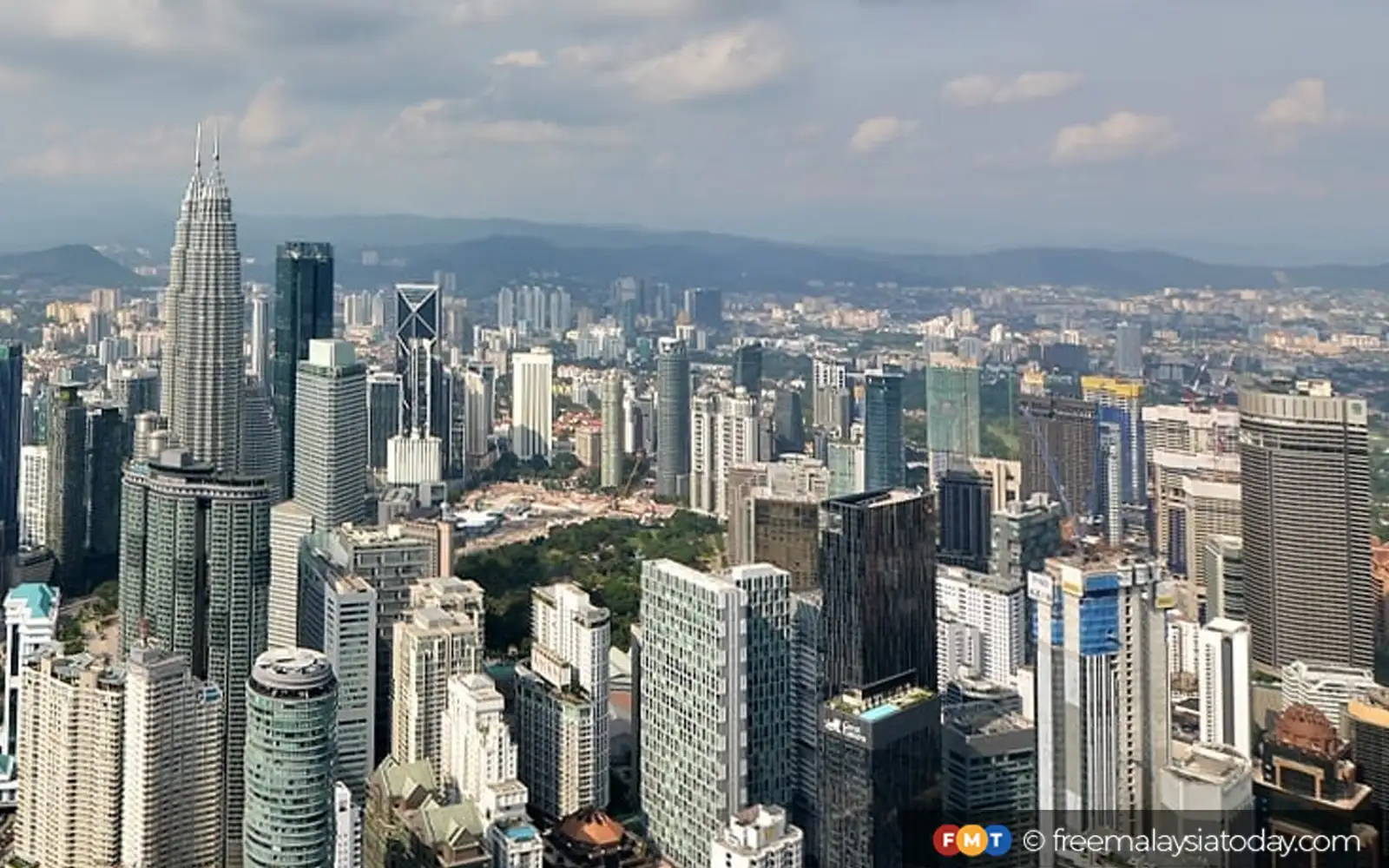
Malaysia finds itself in a more advantageous position despite ongoing geopolitical tensions, trade disputes, and global uncertainty. The nation has become an appealing investment destination, especially for manufacturing, semiconductors, and other high-value industries. Foreign direct investments (FDI) surged by 41.6% in 2025, with approved investments reaching a record RM426.7 billion.
This upward trend continued in the first half of 2026, with RM218.5 billion in investments approved, up 11.7% compared to the previous year. These achievements were not achieved by chance; rather, they are a testament to the groundwork laid over decades through long-term planning, industrialization, infrastructure investment, and economic reforms.
While today’s policymakers should be commended for successfully navigating this complex global environment, it is essential to recognize that Malaysia’s resilience is also rooted in the foundations established in the past. Rather than focusing on who deserves credit, the more pressing question is how Malaysia built these capabilities and what lessons can be drawn for the future.
Malaysia's journey to resilience began with a shift away from excessive dependence on commodities. Recognizing the risks, policymakers prioritized industrialization, economic diversification, and export-led growth. The outcomes were remarkable, with average annual GDP growth of about 9% between 1988 and 1997, placing Malaysia among the world's fastest-growing economies.
Manufacturing experienced significant expansion, paving the way for today's open, export-oriented economy. Industrialization was complemented by substantial infrastructure investments, including highways, ports, airports, utilities, and telecommunications networks. These improvements bolstered connectivity and enabled Malaysian businesses to compete both regionally and globally.
Furthermore, increased private-sector participation accelerated infrastructure development and facilitated the growth of larger, more capable Malaysian corporations—some of which now rank among the largest listed companies on Bursa Malaysia.
Another crucial factor was openness to investment. Successive policymakers understood that investors require more than mere incentives. Capital flows to countries where businesses have confidence in policy continuity, robust infrastructure, strong institutions, and a clear long-term economic direction. These principles remain pertinent today.
Today, Malaysia is a significant exporter of electrical and electronic products, a key participant in the semiconductor ecosystem, and an increasingly attractive location for companies looking to diversify their manufacturing and supply chains. While Malaysia's achievements are impressive, they should not lead to complacency. The economic challenges faced in the current era are markedly different from those encountered several decades ago, particularly in the context of globalization and artificial intelligence (AI).
Malaysia has made substantial economic progress, but critical socio-economic issues persist, such as high living costs, the need for accelerated wage growth and productivity, income disparities, housing affordability, demographic shifts, an aging population, and the quality of education—all of which will significantly impact Malaysia's future competitiveness.
Simultaneously, competition for investment has intensified, with Vietnam, Indonesia, Thailand, and other emerging economies aggressively vying for global capital and manufacturing investment. AI, automation, renewable energy, and advanced manufacturing are revolutionizing industries at an unprecedented pace. Additionally, the global economic landscape is undergoing significant changes, with geopolitical rivalries, trade restrictions, and the restructuring of global supply chains introducing new vulnerabilities.
Relying solely on the advantages gained from past policies will no longer suffice. Malaysia must develop the next generation of competitive economic advantages to ensure its long-term prosperity.
One of the most significant lessons from Malaysia's development experience is the importance of having a clear national direction. Setting long-term national ambitions can unite government, businesses, investors, and society around shared objectives. It encourages policymakers to transcend annual budgets and electoral cycles, considering where the country should be in 10, 20, or even 30 years.
Malaysia needs such a vision once again—a bold plan that will redefine its ambitious journey toward becoming a high-income nation. The country should question fundamental aspects, such as which industries Malaysia should strive to lead over the next two decades, how to advance further up the semiconductor value chain, how AI can transform Malaysian industries beyond disruption, how to create higher-paying jobs capable of retaining Malaysian talent, and most importantly, how to ensure that economic progress translates into tangible improvements in the lives of ordinary Malaysians—clear policies and guidance that will elevate the standard of living.
Written by urgent.news from Free Malaysia Today's reporting — not their text. Machine-written — may contain errors; check the original before relying on it.
This story
This is one outlet's version. Read the fullest account.
- Learning from yesterday, building a stronger tomorrow freemalaysiatoday.com