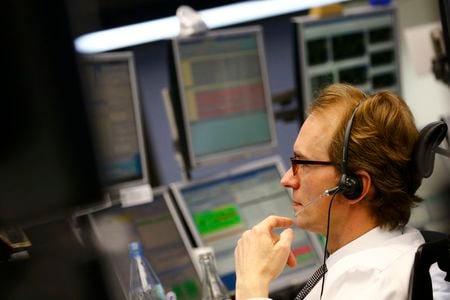
Learning from yesterday, building a stronger tomorrow
While the Malaysian economy has grown steadily over the decades, thanks to efforts by forward-looking policymakers, new conditions now require a bolder strategy to take the country forward.
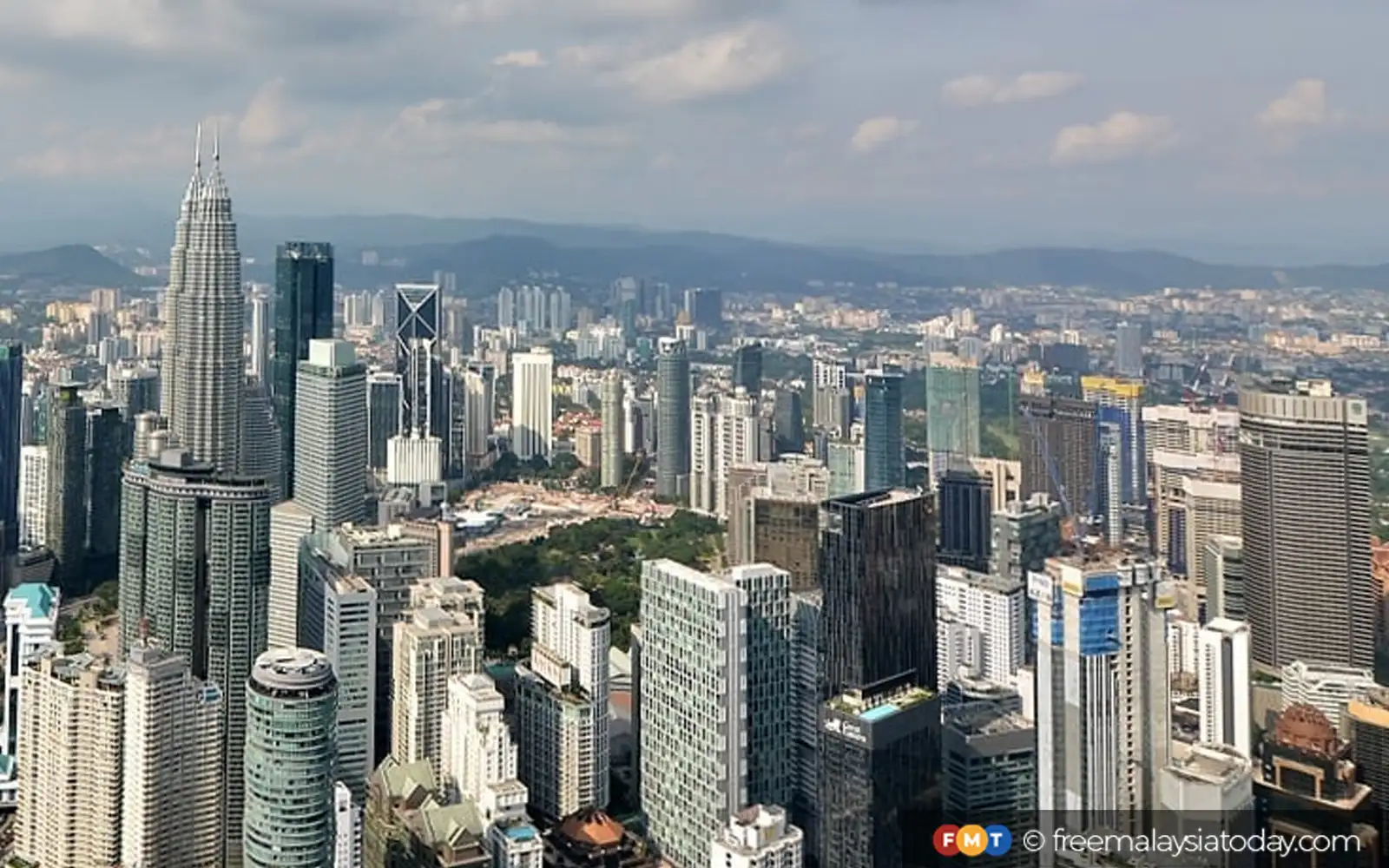
Malaysia's economic trajectory has been positively influenced despite ongoing geopolitical tensions, trade disputes and geopolitical uncertainty. The nation has become increasingly appealing for investment, particularly in high-value sectors such as manufacturing, semiconductors and related industries. Foreign direct investment (FDI) in Malaysia surged by 41.6% in 2025, with a record RM426.7 billion approved investments, rising 11.7% year-on-year during the first half of 2026.
These accomplishments were not accidental; they are rooted in long-term planning, industrialization, infrastructure investment, and economic reforms initiated over several decades. While today's policymakers deserve recognition for their astute navigation of the complex global landscape, the foundation of Malaysia's strength lies in the groundwork established over the years.
However, complacency cannot be allowed to set in. Modern-day challenges necessitate innovative strategies to ensure sustainable growth. The rapid pace of technological advancements, including AI, automation, renewable energy and advanced manufacturing, poses a significant challenge to Malaysia's competitiveness. Geopolitical rivalry, trade restrictions and the reconfiguration of global supply chains also introduce new vulnerabilities.
These factors necessitate a re-evaluation of Malaysia's economic strategy to ensure the nation can maintain its competitive edge in the years to come.
One of the most valuable lessons from Malaysia's development journey is the significance of having a clear national direction. A long-term national plan can inspire and align government agencies, businesses, investors, and citizens towards common objectives, transcending annual fiscal cycles. Malaysia needs to revisit its ambitious vision for the future, focusing on emerging industries, moving up the semiconductor value chain, and the integration of AI into various sectors.
Furthermore, it's crucial to consider how economic growth can translate into tangible improvements in the lives of everyday Malaysians, ensuring a fair and equitable distribution of wealth.
The journey to becoming a high-income nation will require bold and transformative decisions in areas such as education, talent development, productivity, technology, energy, infrastructure, fiscal sustainability, and business competitiveness. The path may be challenging, and the rewards may not be immediate. Nonetheless, nation-building is not about merely sustaining the status quo but creating a compelling vision for the future, one that will address the socio-economic challenges Malaysians face today while positioning the country for a more robust economic standing tomorrow.
Written by urgent.news from Free Malaysia Today's reporting — not their text. Machine-written — may contain errors; check the original before relying on it.
Also reported by 1 other outlet
- Learning from yesterday, building a stronger tomorrow freemalaysiatoday.com