Iran-Krieg: Iran stellt neuen diplomatischen Anlauf in Aussicht
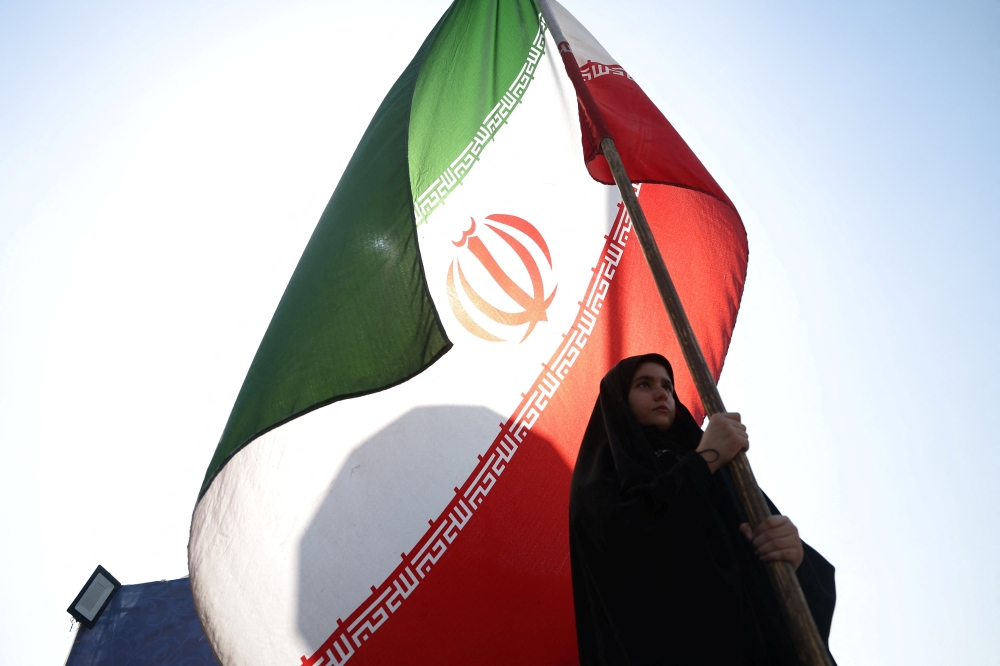
Der Krieg zwischen Teheran und den USA schwelt seit Wochen weiter. Nun deutet Irans Parlamentspräsident Ghalibaf Gesprächsbereitschaft an. Schnelle Zugeständnisse will er aber nicht machen.
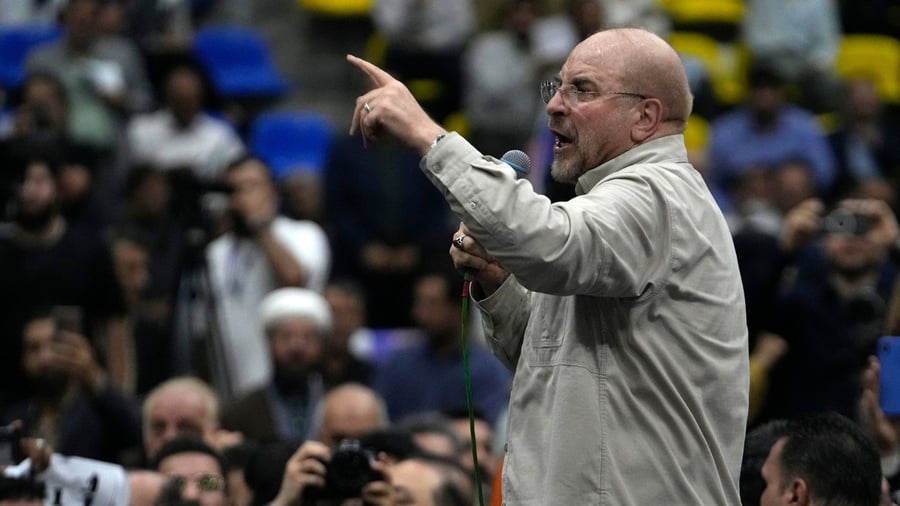
Iran's leadership has once again indicated a willingness to engage in diplomatic negotiations with the United States in their ongoing conflict. According to Iranian media reports, Parliament Speaker Mohammed Bagher Ghalibaf, regarded as a conservative pragmatist, made cautious remarks about the potential for diplomatic efforts in the ongoing confrontation with Washington.
For weeks, there have been no signs of an end to the Iran war, and hardliners in the Iranian government have shown a bold stance, even accepting the possibility of a military escalation. However, Ghalibaf's assertive statement to US President Donald Trump did not signify a readiness for quick concessions. Directly addressing Trump, the Iranian chief negotiator stated: "He must know that he cannot impose power on the Iranian people and the armed forces."
Meanwhile, Iranian President Masoud Pezeshkian attended the UN General Assembly in New York this Wednesday, where he is scheduled to deliver a speech. Observers also speculate about possible meetings between the Iranian delegation and mediators or US government representatives. Famous Iranian cleric and opposition politician Mehdi Karrubi, who has been under house arrest for years, called Pezeshkian to meet with Trump in a letter - "if the conditions for it are given."
The Iranian government must muster the courage to overcome self-imposed taboos, wrote the 88-year-old in the reformist portal Ensafnews. "Although we know that the opposite side is not trustworthy in the usual sense, there is no other way than to take the path of diplomacy," Karrubi continued. "Diplomacy is not a sign of weakness, but the pinnacle of reason and strength of a people who believe in themselves."
Tensions between the United States and Iran have been escalating for over six months, with the conflict now primarily focused on the Strait of Hormuz. While the US aims to bring Iran to its knees with sanctions and a naval blockade, Iran's leadership is speculating about economic pressure through rising energy prices in the West.
Written by urgent.news from Handelsblatt's reporting — not their text. Machine-written — may contain errors; check the original before relying on it.