How London Fashion Week got its groove back
For a city that has spent much of the past decade being told it has lost its way, London suddenly has something to shout about. This September, its fashion week felt less like an industry event taking place in spite of the city and more like an expression of renewed creative confidence. Laura Weir, who was appointed as chief executive of the British Fashion Council in April 2025, arrived…
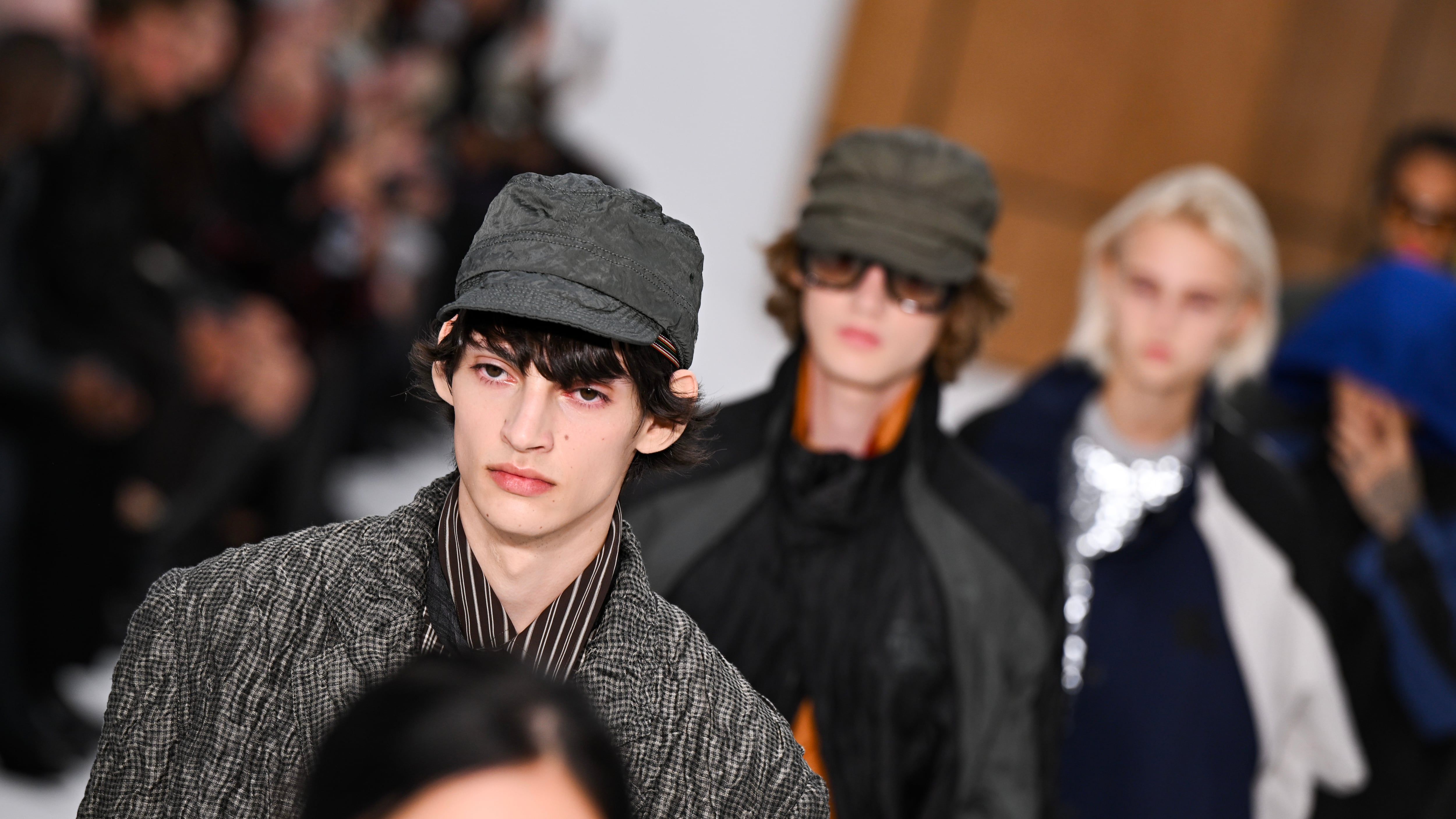
After a decade of being described as losing its way, London suddenly has a story to tell. This September, the city's fashion week exuded renewed creative confidence. Laura Weir, appointed as chief executive of the British Fashion Council in April 2025, aimed to restore the event's purpose and international relevance. The September 17–21 edit carried a weight that suggested the revival had begun.
Several iconic names returned to the official schedule. Alexander McQueen, absent for 25 years, presented for Sean McGirr in Lincoln’s Inn Chapel, merging sharp tailoring with elements of rave culture and Renaissance art. A collaboration with Savile Row’s Huntsman added another layer of British fashion history. Lee McQueen, the late designer's son, staged several of his most important early shows in London in the mid-1990s, providing symbolic weight to the return.
Mulberry, after nearly a decade away, made its return with Christopher Kane as creative director. Kane's debut collection, entering administration in 2023, echoed the city's post-industrial roots, with concrete grey, coal-miner orange, and muted checks. His designs evoked the Scotland of his childhood, while miniature axe heels and sharply cut leather added a touch of provocation.
London Fashion Week was not solely an exercise in nostalgia, however. Fashion East and BFC Newgen, along with designers such as Aaron Esh, Chopova Lowena, KNWLS, Talia Byre, and Paolo Carzana, showcased the city's unruly fashion ecosystem. The spirit of rebellion shone through, with Burberry combining Daniel Lee's designs with Celia Birtwell's textile patterns, Simone Rocha translating Caravaggio's influence into silvery silk roses, Erdem channeling Barbette's circus performances, and Roksanda incorporating Francoise Grossen's fibre sculptures.
Priya Ahluwalia combined resistance movements with commercial ease, while Harris Reed marked his fifth London Fashion Week with restraint, opting for an almost entirely white collection. The high street joined the celebration, with Marks & Spencer staging its first show to celebrate 100 years in fashion and H&M collaborating with Nick Knight and SHOWstudio for an artistic performance.
The event underscored the idea that fashion belongs to the city, not a closed industry. This revival came at a significant time, as London experienced a modest economic rebound following the "Burnham bounce." While not an economic miracle, retail sales rose 0.5% in August, and GDP grew 0.4% in July.
Written by urgent.news from The National Business's reporting — not their text. Machine-written — may contain errors; check the original before relying on it.
This story
This is one outlet's version. Read the fullest account.
- How London Fashion Week got its groove back thenationalnews.com