Geotab SVP on the future of robotaxis in Europe
Private and public sectors need to join efforts to make robotaxi deployment a smoother affair, Edward Kulperger says. Read more: Geotab SVP on the future of robotaxis in Europe
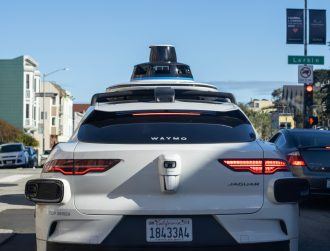
Edward Kulperger, Senior Vice-President for the EMEA region at Geotab, emphasizes the importance of collaboration between private and public sectors for a smoother rollout of robotaxi services in Europe. Over the past decade, self-driving cars have become prevalent in major cities across the US, China, and other regions. Several countries in Europe, including Germany, Spain, the UK, and Ireland, are allowing companies to pilot robotaxi technology in urban areas.
Kulperger believes that AVs are safer than human drivers and would significantly reduce road fatalities. Geotab's platform, which includes nearly 6.5 million connected assets, has accumulated over 300 million miles of AV driving, generating approximately 100 billion data points to monitor vehicles and train future fleets. Companies like Bolt are set to launch robotaxi services on over 25,000 Lucid-made cars using their extensive European data to train their driverless fleet, aiming to expand the fleet to 100,000 by 2035.
Kulperger asserts that AVs will eliminate distracted, reckless, or drunk driving, as well as alleviate road congestion and pollution in urban areas. Although road deaths have decreased globally, there is still a long way to go, with over 1 million lives lost annually worldwide. Kulperger suggests a mixed transportation system, combining public transport and AVs, to ensure safe and efficient travel.
The robotaxi market is projected to reach $168 billion by 2035 with a global fleet of 3.6 million driverless cars, led by Waymo, Tesla, Baidu Apollo Go, WeRide, and Pony.ai.
Written by urgent.news from Silicon Republic's reporting — not their text. Machine-written — may contain errors; check the original before relying on it.