Demand slump, US trade turbulence vex EU firms in China: lobby paper
BEIJING: China’s spending slump is presenting significant hurdles for European firms in the country, a lobby group said Tuesday, as companies also nervously await a meeting of the Chinese and US presidents this week.
China's spending slump is creating significant challenges for European firms operating in the country, warned a lobby group on Tuesday. Companies are also anxiously awaiting a meeting between the Chinese and US presidents this week. Beijing has been struggling to revive domestic consumption following the end of the Covid-19 pandemic, while a protracted property sector debt crisis casts a shadow over the economy.
Nevertheless, China's massive exports have been a key driver of growth, generating substantial surpluses that have sparked foreign ire, especially in Brussels.
Jens Eskelund, president of the European Union Chamber of Commerce in China, speaking at a news conference ahead of the organization's annual position paper release, said the current trajectory was unsustainable. The chamber's paper highlighted that "certain structural imbalances that are preventing China's economy from performing to its potential need to be addressed over the long term."
The EU chamber, representing over 1,600 member companies, noted that China's share of global container exports rose to 37 percent last year, with its overall trade surplus hitting a record high.
While some of this growth is attributable to global demand for Chinese products, a significant factor is the discrepancy between the rapid surge in manufacturing capacity and the sluggish growth in consumption. China's trade surplus with the European Union reached $242 billion by the end of August, surpassing its surplus with the United States, according to Chinese customs data. This trend has intensified pressure on Brussels to safeguard European manufacturers from being swamped by a flood of imports from China.
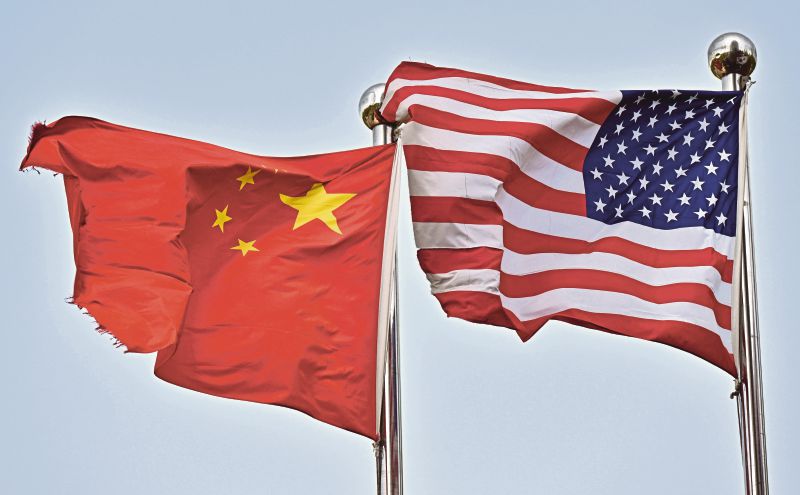
European firms are bracing for heightened trade tensions, particularly in light of the recent tariff dispute between Beijing and Washington, which concluded with a shaky truce in Busan, South Korea, in October. During the meeting between US President Donald Trump and his Chinese counterpart Xi Jinping, Beijing agreed to ease controls on exports of rare earths and related magnets, critical components in the modern economy.
Eskelund expressed cautious optimism, saying, "We will have to wait... to see if we're going to have an extension of the Busan agreement. We are all crossing our fingers, and nothing is a given."
The EU chamber's position paper also identified bureaucratic hurdles in China, such as roadblocks to relocation efforts within the country and difficulties obtaining construction permits. These issues are considered "low-hanging fruit" that could be swiftly addressed by Beijing. However, Eskelund expressed concern that the lopsided export boom might not abate anytime soon.
Written by urgent.news from New Straits Times's reporting — not their text. Machine-written — may contain errors; check the original before relying on it.
Also reported by 3 other outlets
- China and Europe should not fight trade wars, says Chinese foreign minister freemalaysiatoday.com
- China and Europe should not fight trade wars nst.com.my
- Copper rises on strong China demand brecorder.com