California joins US states clamping down on data center gold rush
The state of California has joined the growing number of governments and communities at all levels across the US taking proactive, even preemptive, measures to keep data center development under control. California Governor Gavin Newsom signed what he called the “most comprehensive data center laws in the nation” on Monday. While the seven bills don’t block data center development, they do…
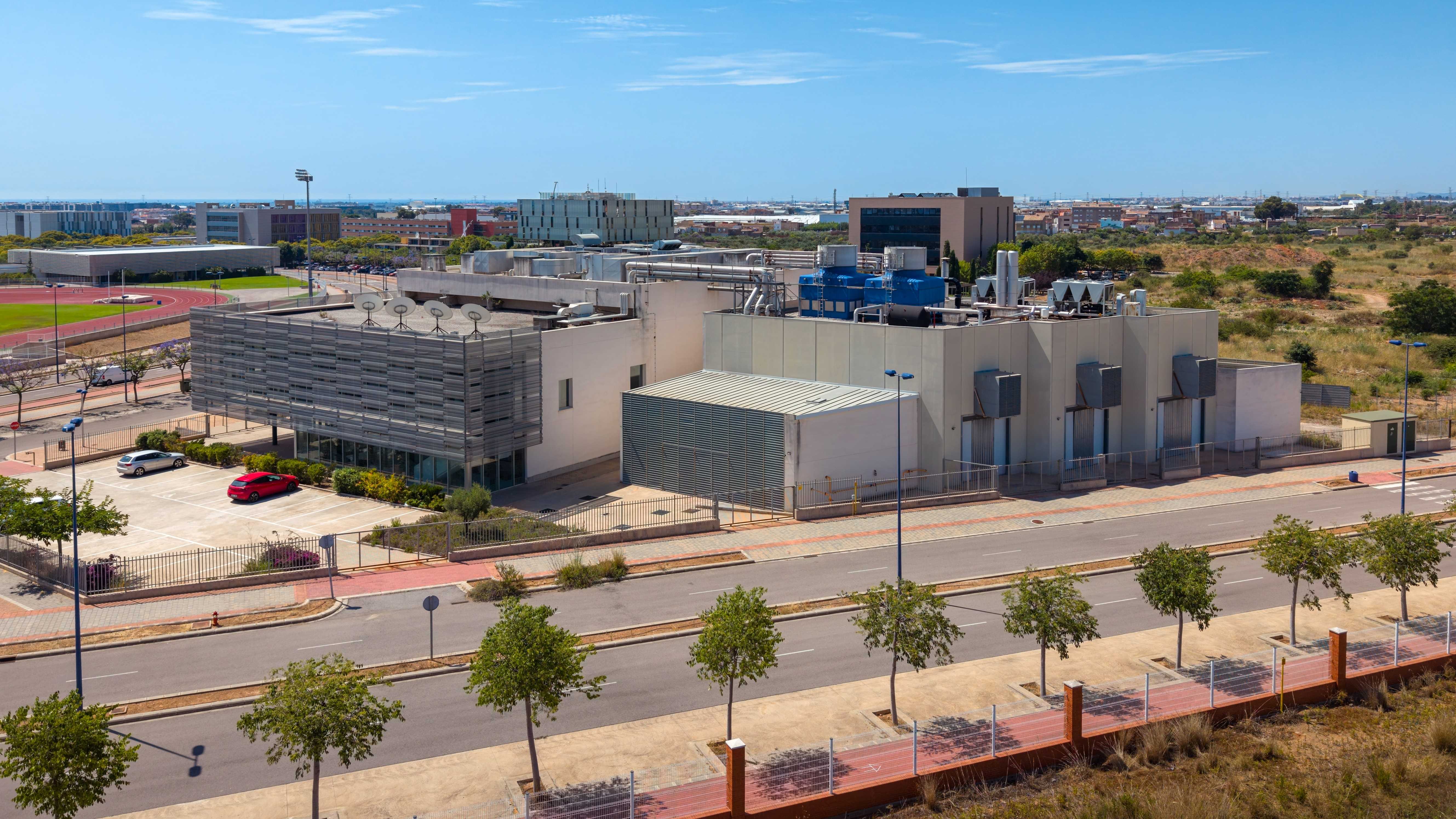
California has become the latest state to join the growing number of US jurisdictions implementing stricter controls over data center development. Governor Gavin Newsom recently signed seven bills aimed at enhancing transparency and accountability in data center operations. While not outright blocking development, the legislation mandates that companies report energy and water usage, pay their fair share of utility costs, and meet stricter environmental standards.
Data Center Watch estimates that 45 projects worth approximately $68 billion were blocked or delayed in the US during the second quarter alone. Currently, there are 843 identified opposition groups nationwide, with 49 states scrutinizing data center projects. The pushback against these facilities is increasingly localized, targeting specific permitting and infrastructure decisions rather than broader development.
Experts attribute this heightened opposition to the evolving perception of data centers as more than just "invisible infrastructure." With the rise of AI and its insatiable demand for resources, data centers are now seen as a complex energy, community, and economic issue. California's proactive stance, spearheaded by Governor Newsom, underscores the state's commitment to ensuring that data centers contribute equitably to the economy without imposing undue burdens on local communities.
The new regulations require data center operators to disclose their energy and water consumption, comply with energy procurement requirements, and invest in clean energy. They must also provide information on water use efficiency and participate in drought planning. These measures aim to ensure that data center development aligns with state energy, water, and fuel consumption standards before approval.
As data center demand continues to surge, industry leaders stress the need for a more collaborative approach between developers and local communities. Transparency and credible communication about environmental impacts are now essential components of the development process. By better understanding and addressing community concerns, data center builders can mitigate opposition and ensure sustainable growth in the evolving digital landscape.
Written by urgent.news from Computerworld's reporting — not their text. Machine-written — may contain errors; check the original before relying on it.