Berlin’s Left Wants to Govern as SPD Demands Answers on Antisemitism
The CDU is out of the state parliament in Mecklenburg-Hither Pomerania and trails "Die Linke" in Berlin. Coalition talks in the capital are already burdened by a dispute over Jew hatred and expropriations.
Two days after Berlin and Mecklenburg-Hither Pomerania held state elections, the political landscape is evolving. In Mecklenburg-Hither Pomerania, the far-right AfD party won with 38.2% of the vote, more than doubling its previous performance. The SPD and "Die Linke" (The Left) secured 35.5% and 6.5% respectively, while the Greens and CDU each received around 5%.
For the first time since 2013, the CDU failed to surpass the 5% threshold, marking their withdrawal from Mecklenburg-Hither Pomerania's state parliament. The Greens narrowly missed this mark as well.
In Berlin, "Die Linke" triumphed with 25.7% of the vote, a substantial increase from their 2023 results. The CDU, AfD, Greens, and SPD garnered 18.8%, 16.3%, 14.3%, and 12.1% respectively. The CDU and SPD coalition's majority has vanished, necessitating a new political alignment. With the voter turnout rising to 74.2% in Berlin and 78.1% in Mecklenburg-Hither Pomerania, political maneuvering begins.
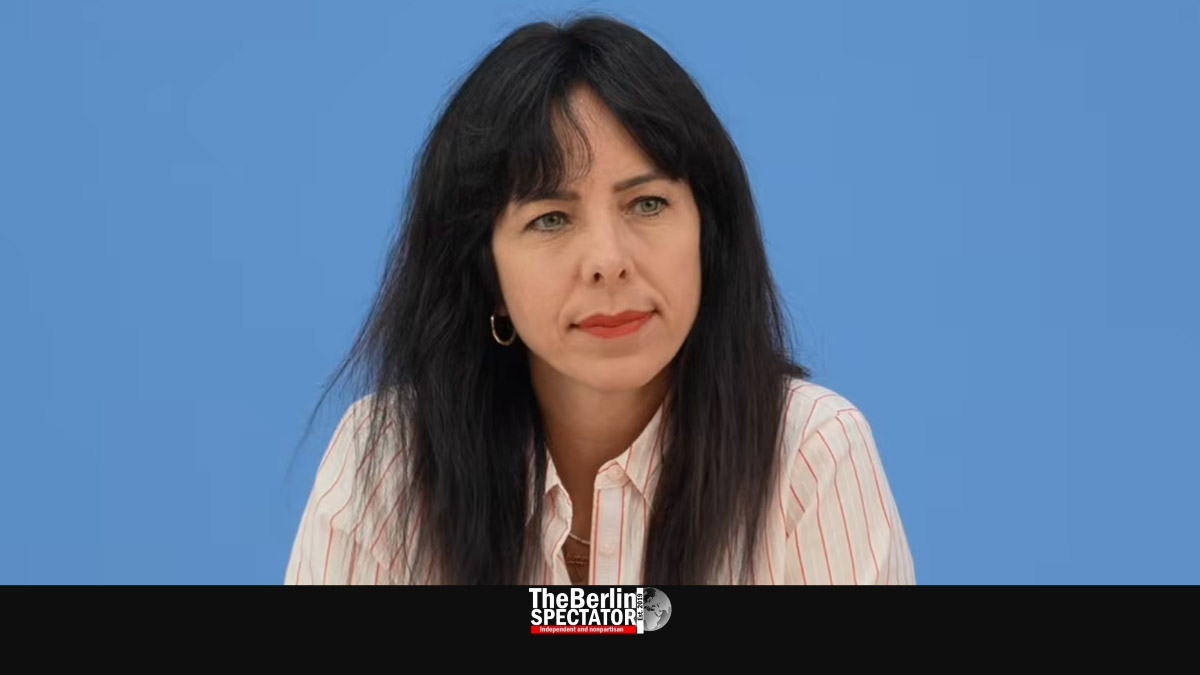
Elif Eralp, a 45-year-old lawyer and top candidate for "Die Linke", aims to become the first Governing Mayor from her party. Her party's executive board proposed exploratory talks with the SPD and Greens. An executive decision is expected at their convention on September 25th. If "Die Linke" agrees to talks, they could commence the following week. The Greens have already expressed readiness to enter negotiations.
A coalition between the CDU, Greens, and SPD would theoretically have a majority; however, the CDU faces significant challenges to claim a mandate to govern. Eralp advocates for expropriation of large housing companies with compensation, referencing the successful referendum in 2021. She emphasizes that compromises will be necessary.
In contrast, SPD leader Steffen Krach initially rejected expropriations during the campaign, but now indicates his party will engage in a rational discussion about the issue and financial planning.
The most pressing concern for SPD leader Krach is antisemitism. During "Die Linke"'s Neukölln chapter election, a known clan figure and a pro-Palestinian activist with connections to the Palestinian terrorist group PFLP were present. This is the fourth anti-semitism scandal within "Die Linke" within three weeks. SPD federal chair Bärbel Bas expressed her reluctance to cooperate with a party that has antisemitic elements, calling for concrete actions to address the issue.
The Central Council of Jews in Germany had already cautioned against a potential coalition with "Die Linke".
Meanwhile, the CDU is reassessing its future. Stefan Evers, nominated to lead the party's parliamentary group, stated that "Die Linke" must initiate the discussions, but the CDU remains open to talks with centrist parties. The SPD, meanwhile, is preparing for a rebuilding process with former Mayor Franziska Giffey, who will not return to parliament, calling for an extensive review. Chancellor Friedrich Merz reiterated his intention to remain in office, despite growing pressure.
Written by urgent.news from The Berlin Spectator's reporting — not their text. Machine-written — may contain errors; check the original before relying on it.