Asian currencies mixed as dollar steadies, yen pressured by policy gap
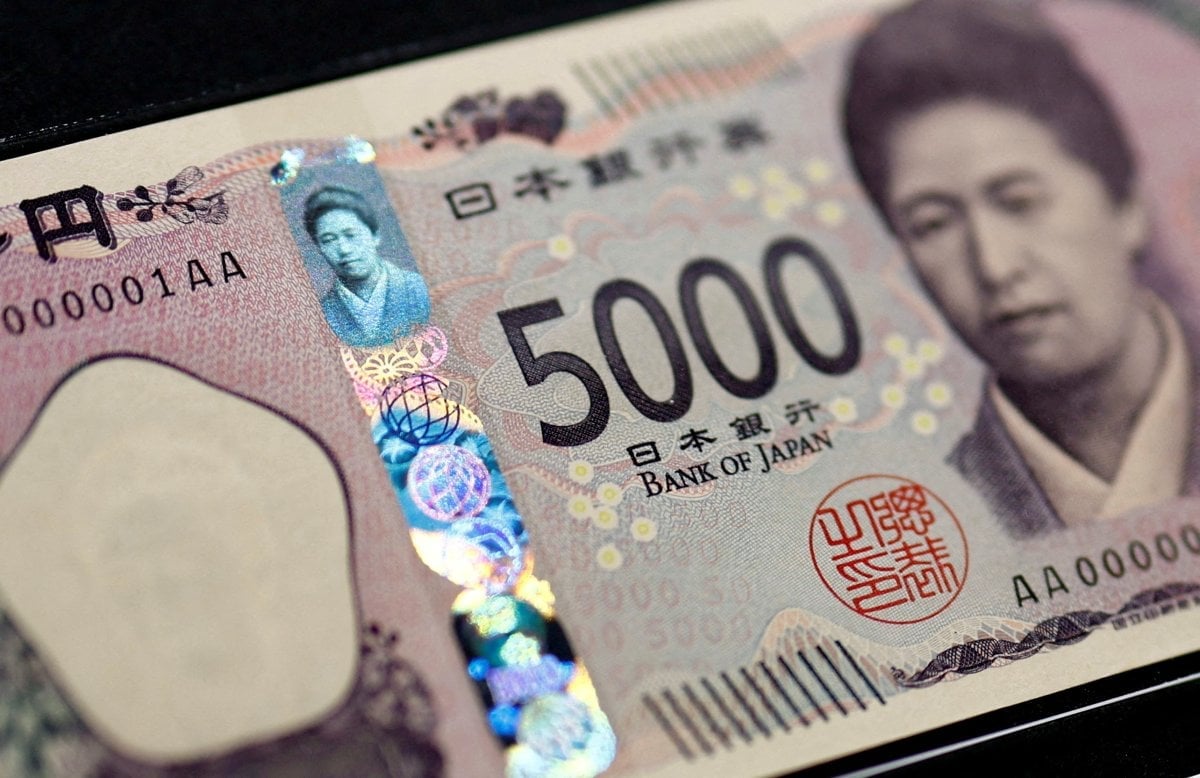
Asian currencies navigated a mixed market on Tuesday, with the U.S. dollar remaining relatively stable and the Japanese yen facing pressure due to the Bank of Japan's recent policy shift and potential for further interest rate hikes, according to market reports. Trading activity in Japan was relatively light as a holiday disrupted normal operations.
The risk of renewed currency intervention by the Japanese government limited noticeable movements in the yen's value. Meanwhile, the U.S. dollar index stood at around 100.36, showing little change after a more than 1% increase the previous week following the Federal Reserve's hawkish stance on rates. The yen's USD/JPY pair climbed 0.1%, hovering near recent lows following the yen's decline after the Bank of Japan's September rate decision.
Despite joint U.S.-Japan interventions and the Bank of Japan's 25-basis-point rate hike in September, the yen is perceived as significantly undervalued, according to DBS FX & Credit Strategist Chang Wei Liang. The Bank of Japan's reluctance to signal a faster pace of tightening disappointed markets, which viewed the September decision as inconsistent, as two board members dissented.
Investors noted the yen's weakening following the policy announcement, only to stabilize once Japanese authorities carried out a rate check, a move often interpreted as a precursor to foreign-exchange intervention. With substantial capacity to intervene, Japan holds around $1 trillion in foreign-exchange reserves, which authorities could utilize to support the domestic currency.
Brent crude prices hovered around $100 a barrel ahead of potential U.S.-Iran talks at the United Nations General Assembly this week, highlighting oil prices as a key variable for the Indian rupee. As investors monitor the impact of higher energy costs on India's import bill and anticipate possible rate hikes by the Reserve Bank of India, the USD/INR pair remained around 95.80, showing minimal change.
Meanwhile, the Indonesian rupiah faced additional pressure due to President Prabowo Subianto's decision to replace Finance Minister Purbaya Yudhi Sadewa with Suahasil Nazara, while higher oil prices compounded the challenges for energy-importing economies. In South Korea, the won strengthened noticeably, with the USD/KRW pair declining by 1.17%.
The USD/SGD pair slipped by 0.1%, while the USD/MYR pair rose by 0.1%. The Australian dollar hovered near $0.7123, with markets anticipating a 90% probability of a rate hike from the Reserve Bank of Australia Governor Michele Bullock later that day, potentially marking the fourth increase in a year. Bullock was anticipated to deliver a hawkish message.
The New Zealand dollar surged to around $0.5735 as the Reserve Bank of New Zealand Governor Anna Breman cautioned that sustained rises in oil prices could result in inflation levels somewhat higher than previously anticipated. The Chinese yuan remained resilient, having reached a 3-1/2-year high against the dollar on Monday. The People's Bank of China had signaled a softer stance on curbing yuan appreciation ahead of a meeting between Chinese and U.S. leaders this week, with the USD/CNH pair resting at approximately 6.6953 and the USD/CNY pair near 6.6962.
Written by urgent.news from Investing.com's reporting — not their text. Machine-written — may contain errors; check the original before relying on it.