Apple Still Working on Anti-Snatching Feature That Locks Stolen iPhones
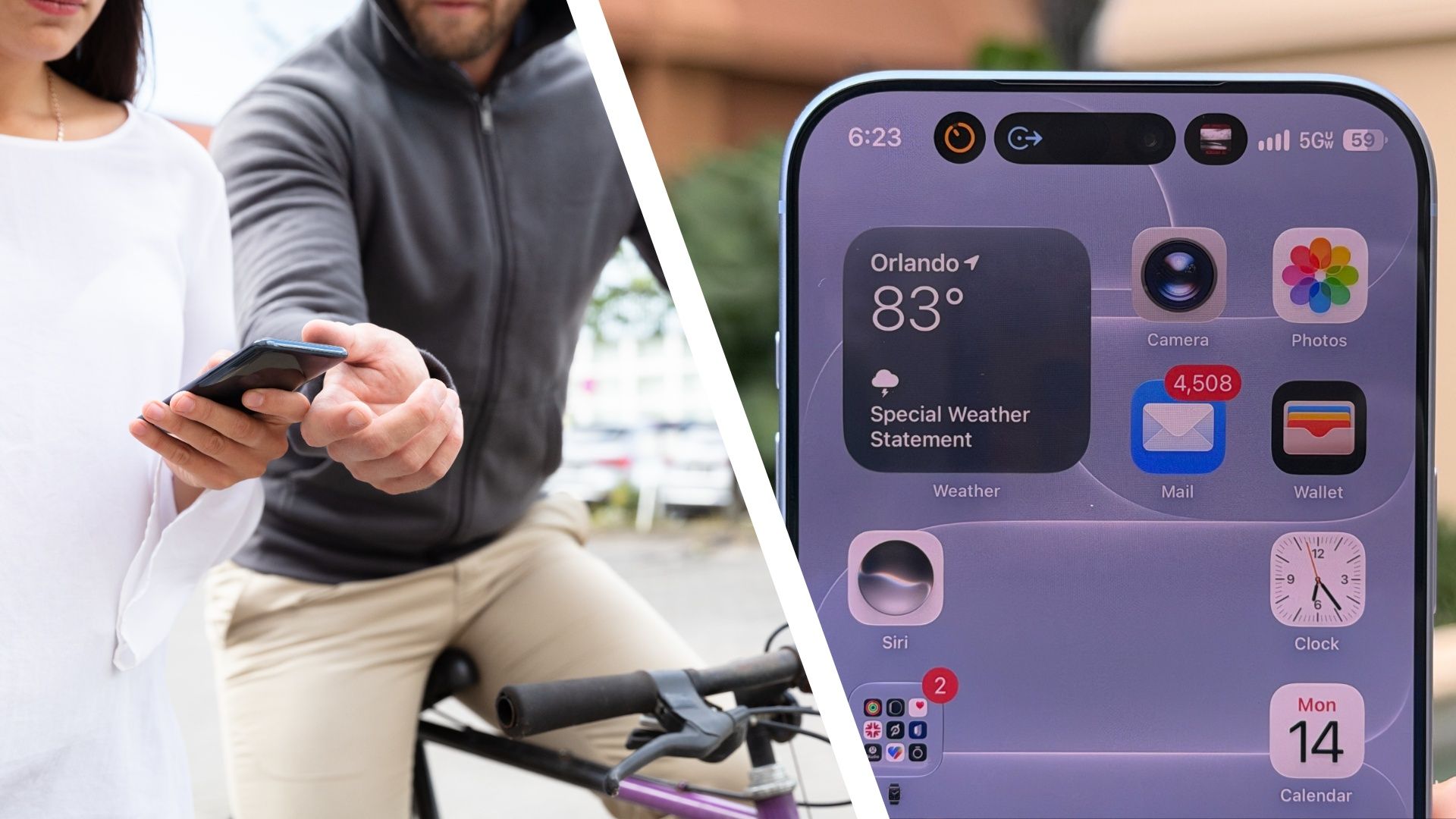
New references in the latest iOS 27.2 beta show that Apple continues to develop a new feature which will lock your iPhone if it's snatched from your hand by a thief. As previously reported , the feature will use the gyroscope, accelerometer, and other sensors to determine when an iPhone has been grabbed. It'll also rely on a paired Apple Watch to detect when the iPhone has suddenly moved away…
The latest iOS 27.2 beta has revealed that Apple is still working on a new feature designed to secure stolen iPhones. The feature, internally named AutoLock, employs a combination of the device's gyroscope, accelerometer, and other sensors to detect when an iPhone has been snatched from its owner. This could be determined by a sudden, forceful acceleration or a paired Apple Watch losing connection to the iPhone for an extended period.
The system also relies on the availability of a paired Apple Watch and the device's network connectivity to ascertain if an iPhone has been stolen. The feature works using a voting system, where a potential theft signal would request the lock to be activated, but safeguards such as successful biometric authentication or recognized app usage could prevent this from happening.
If the iPhone is indeed stolen, assuming the system successfully identifies this, it will lock and activate Stolen Device Protection. This additional security measure requires biometric authentication for tasks like accessing passwords or credit card information, and introduces built-in delays for certain actions, such as changing an Apple Account password.
Interestingly, Android already has a feature called Theft Detection Lock that serves a similar purpose. However, it's unclear when Apple's equivalent feature, AutoLock, will be released, if at all. The ongoing development of this feature suggests that Apple is still actively working on it, though the precise timeline remains unknown.
Written by urgent.news from MacRumors's reporting — not their text. Machine-written — may contain errors; check the original before relying on it.