Akwa Ibom’s peace remains stable but fragile, council warns
The Akwa Ibom State Conflict Prevention Council called for peacebuilding to be treated as a continuing investment rather than an intervention that becomes necessary only after violence has erupted. The post Akwa Ibom’s peace remains stable but fragile, council warns appeared first on Premium Times Nigeria .
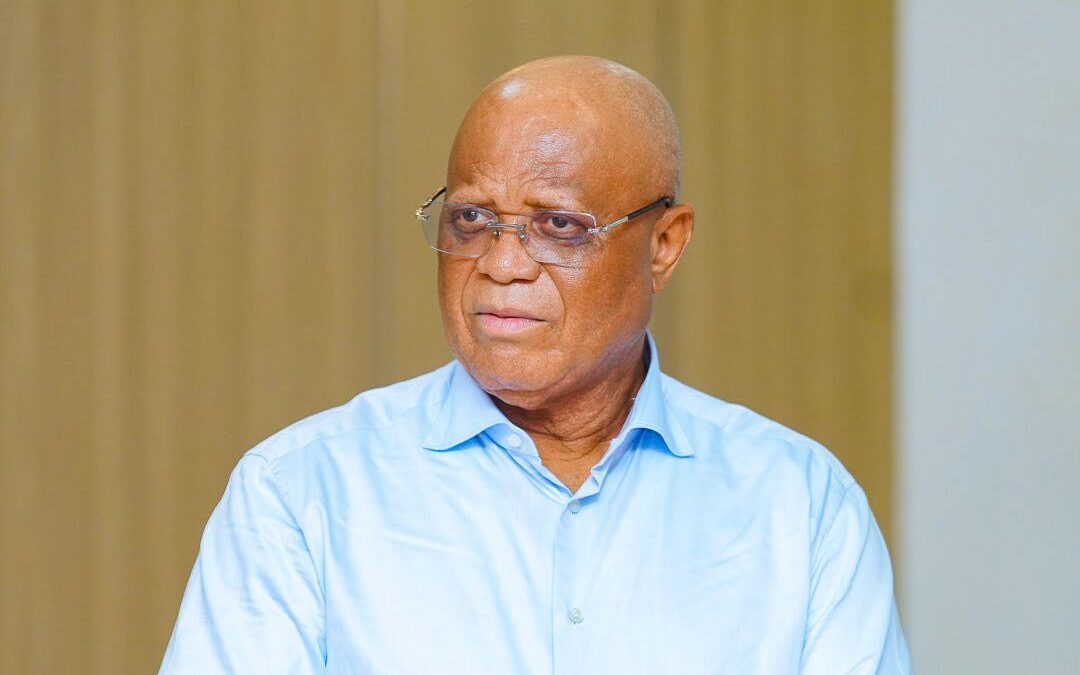
The Akwa Ibom State Universal Basic Education Board (AKSUBEB) has announced a significant change in its recruitment policy, to commence in the year 2026. Teachers will now be hired and assigned to work within their own local area of residence. This decision was made to address issues of teacher absenteeism and to reduce the long daily commutes that have a negative impact on classroom productivity, as identified by the board.
Speaking at a Ministerial Media Briefing on Education in Uyo, the Executive Chairman of AKSUBEB, Anietie Etuk, highlighted long distance as a major challenge affecting the effective service delivery of teachers across the state. He further explained that the new recruitment policy would change the way teachers are hired.
The new policy aims to ensure that teachers live in their place of primary assignment, eliminating the need for long-distance travel. For example, someone residing in Ikot Ekpene would not have to teach at a school in Uyo, but rather, preferred to work in the area where they reside.
In addition to the shift in recruitment policy, the board will also implement a "whole-school intervention model" to tackle infrastructural deficits in schools. Under this strategy, specific schools will receive comprehensive upgrades, which may include perimeter security fencing, access to clean water, modern sanitation, solar lighting, and on-site teachers' accommodations.
Furthermore, other initiatives are being launched to boost school enrolment and academic performance. These include scholarship awards, bursaries, and subsidies for examination fees, which are designed to attract more students and improve overall educational quality.
Prof Ubong Essien Umoh, the Commissioner for Education, emphasized that state investments, such as these scholarships and bursaries, are separate from funds allocated for teacher gratuities, matching grants, or direct student bursaries. Aniekan Umanah, Commissioner for Information, clarified the distinction between these fund categories, ensuring clarity on resource allocation.
Written by urgent.news from Daily Post Nigeria's reporting — not their text. Machine-written — may contain errors; check the original before relying on it.
This story
This is one outlet's version. Read the fullest account.