AI fears, scams and fraud
As a baby boomer, I grew up in the 1960s with the concept of artificial intelligence still in the realm of science fiction, even though development of computing systems actually started in the early 1940s.
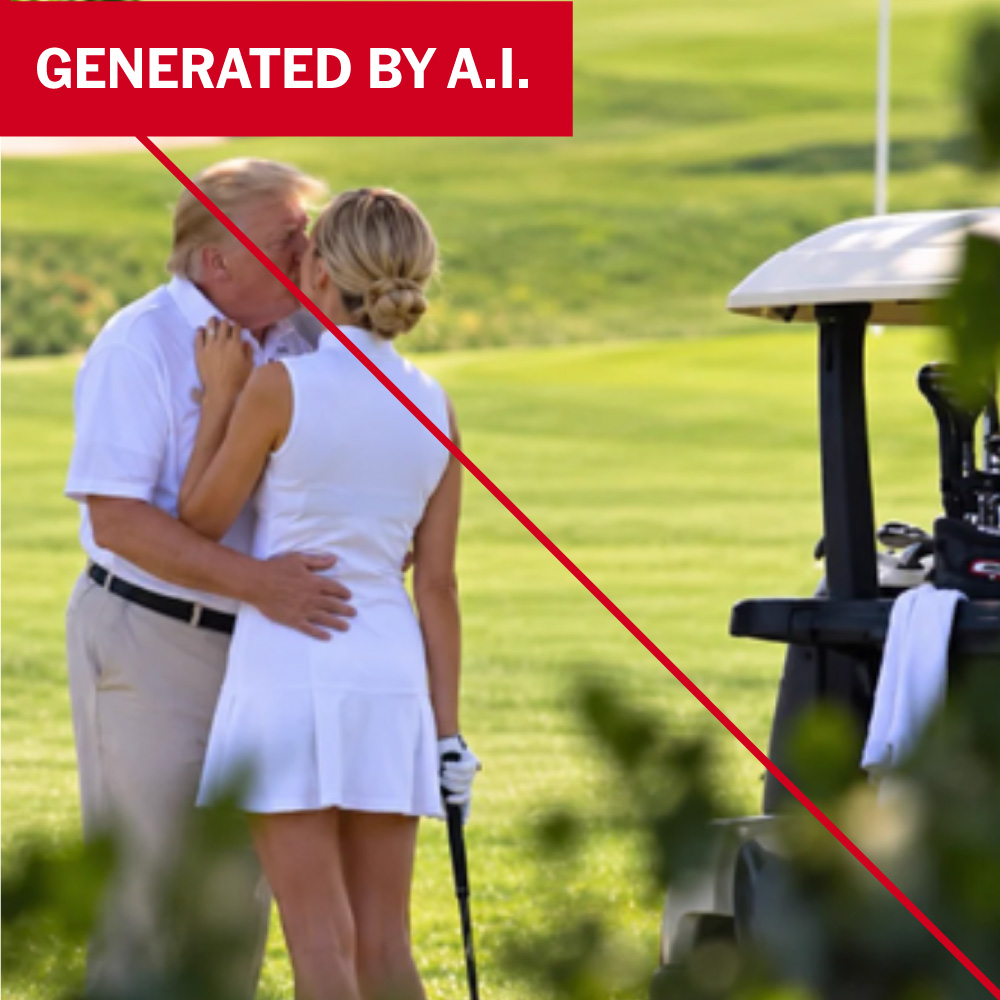
The article discusses the increasing prevalence of artificial intelligence (AI) and its impact on society, specifically in relation to scams and fraud. The author, a baby boomer, reflects on how the introduction of calculators in the 1970s marked the beginning of our dependence on technology that no longer requires us to think or calculate.
This shift parallels the rise of AI, which has now become a reality and exposed us to various forms of fraud. As more Filipinos adopt digital payment systems, the incidence of phishing scams and online fraud has increased, becoming more sophisticated.
The Bangko Sentral ng Pilipinas (BSP) has recognized this issue and prepared for the enactment of Republic Act 12010, also known as the Anti-Financial Account Scamming Act (AFASA). This law aims to raise awareness about the proper use of digital financial accounts and protect the public from cybercriminals and criminal syndicates who exploit payment systems for fraudulent activities.
SEON, a Singapore-based firm that provides fraud prevention and anti-money laundering compliance services to digital and payment services, was founded in 2017. SEON's AI command center analyzes over 1,100 first-party signals across various data points in real-time, enabling it to detect hidden fraud networks, build rules, visualize data, and draft regulatory reports.
The company serves customers such as banks, fintechs, payment providers, e-commerce platforms, and iGaming operators, operating globally from various locations. In the Philippines, SEON currently has around 10 customers, including Home Credit, Billease, and Salmon Bank. SEON has also partnered with Exist Software Labs to expand its fraud prevention and AML capabilities across Southeast Asia.
Written by urgent.news from Philippine Star Business's reporting — not their text. Machine-written — may contain errors; check the original before relying on it.