Whereof One Cannot Speak: On the Limits of Language to Describe Pain
When the pain first arrived, it was during an uncharacteristically temperate Chicago summer more than a decade ago. First as a slight tingling in my right jaw, barely noticeable, which I could basically ignore as I walked past the red-bricked
The agony began in an unseasonably mild Chicago summer more than ten years prior. Initially, it manifested as a mild tingling in the sufferer's right jaw, a sensation they were able to disregard while strolling through Hyde Park's red-brick townhomes. The true pain commenced the following morning, as it radiated across all of the upper and lower lateral incisors, canines, and molars.
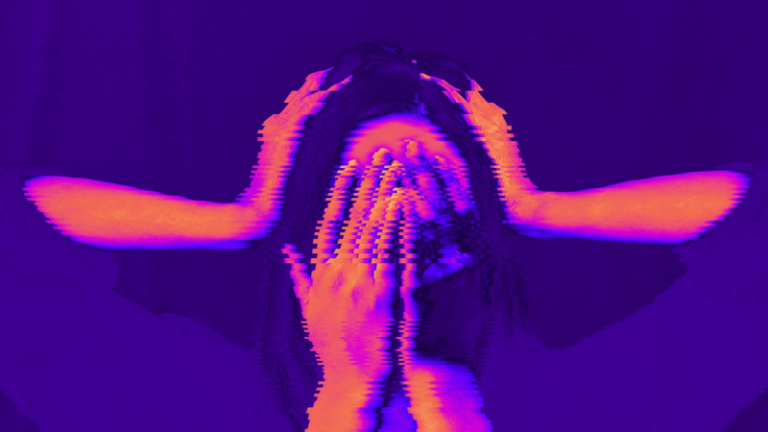
The sensation felt as if a heated iron rod had pierced the flesh on their neck just behind their ear and pushed through their jaw, emerging through their right cheek. This vivid image remained with the sufferer throughout their subsequent years, but during the pain itself, there was no imagination or metaphor; only the sharp, heightened feeling that had expanded to encompass all other concerns.
For approximately 36 hours of sleepless agony, the sufferer used thick, viscous Benzidine on their teeth and gums, mistakenly believing the pain's origin to be dental. If they had been a character from Kevin Brockmeir’s novel The Illumination, their head would have been filled with blinding light during this moment. Uninsured, their mind assumed the pain would be perpetual until, on the second day, they emerged from their exhausted daze to find the pain had subsided, though they largely forgot the feeling.
This experience of pain remains the greatest theoretical treatment of the unintelligible experience of pain by philosopher Elaine Scarry in The Body in Pain: The Making and Unmaking of the World. She writes that pain "does not simply resist language but actively destroys it." Pain makes poor poets out of all of us, as we desperately attempt to convey its severity using inadequate metaphors.
Despite the existence of tools such as the Numerical Rating Scale and Wong-Baker FACES Scale, they fail to capture the singular experience of pain. Nevertheless, once pain subsides, it "begins to tell a story," with the realm of narrative attempting to return meaning. Whether the pain is a sunburn or a paper cut, the tools of description naturally falter when faced with such singular sensations.
My own way of remembering the Chicago pain involves an image of my tender head punctured by a metal spear, an image that has been molded over time as the pain has intermittently returned.
Written by urgent.news from Literary Hub's reporting — not their text. Machine-written — may contain errors; check the original before relying on it.