What if young people create, not just seek, jobs?
The future job market belongs not to those waiting for a vacancy, but to the graduates equipped to turn society’s friction into economic opportunity.
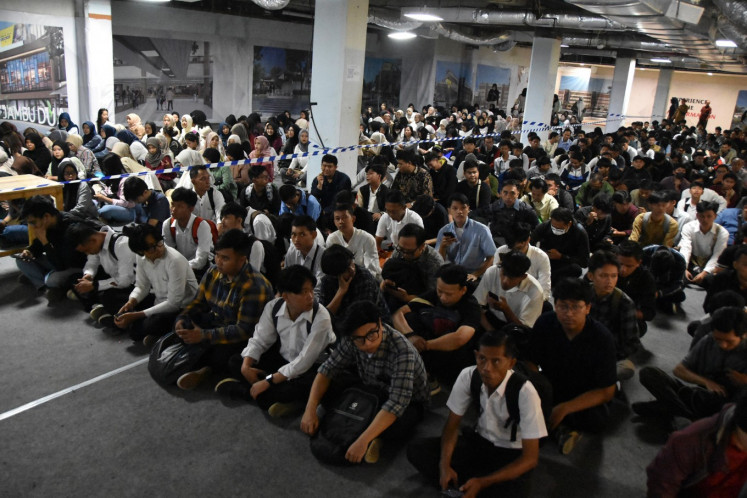
The future job market in Indonesia will not be reserved for individuals waiting for vacancies, but rather for graduates capable of transforming societal issues into economic opportunities. Traditionally, securing a stable job after obtaining a university degree was the norm, especially in Indonesian families. However, the current economic environment has made this formula less feasible.
While higher education in Indonesia has increased, merely having a degree does not guarantee the development of essential skills or career advancement. As degrees become more common, graduates must demonstrate their ability to apply their knowledge to stand out. This shift is evident in Indonesia's youth labor market, where unemployment rates among young people are twice the historical average.
Over a third of young workers are employed at a level below their qualifications, highlighting a disconnect between the skills young people possess and the demands of today's economy. The private sector cannot continuously absorb all graduates into productive, well-paying jobs, necessitating a broader discussion about what it means for Indonesia's youth to become job creators instead of perpetual job seekers.
This shift does not imply that every young person must start a business; rather, it suggests that entrepreneurship should be a legitimate and attainable route to economic involvement. Universities cannot solely prepare graduates for existing job openings; they must now foster the ability to identify problems, recognize business opportunities, innovate solutions, and create tangible value.
The focus of academic research on entrepreneurship has primarily been on recognizing opportunities. Successful entrepreneurs are not characterized by mythical qualities exclusive to them; instead, they identify subtle changes in consumer behavior, technology, or supply chains that others miss, utilizing their unique viewpoints to discover hidden potential.
Written by urgent.news from The Jakarta Post's reporting — not their text. Machine-written — may contain errors; check the original before relying on it.