What History Tells Us When Markets React to Economic Alarm Bells
Key PointsEconomic data helps determine market conditions.
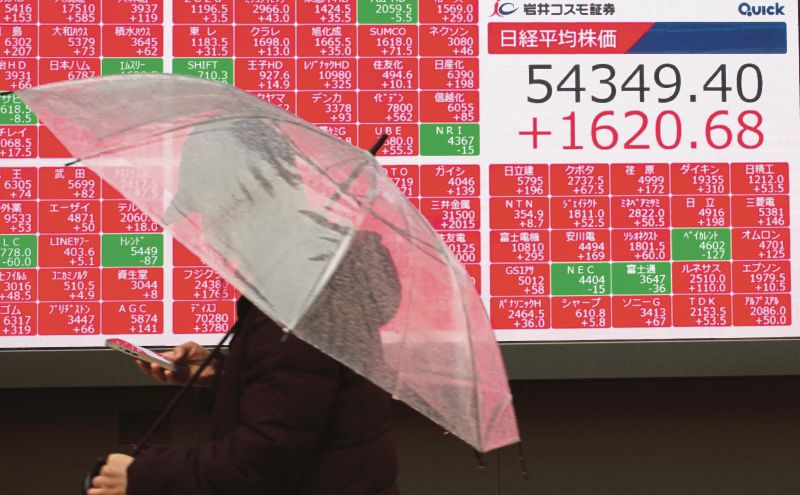
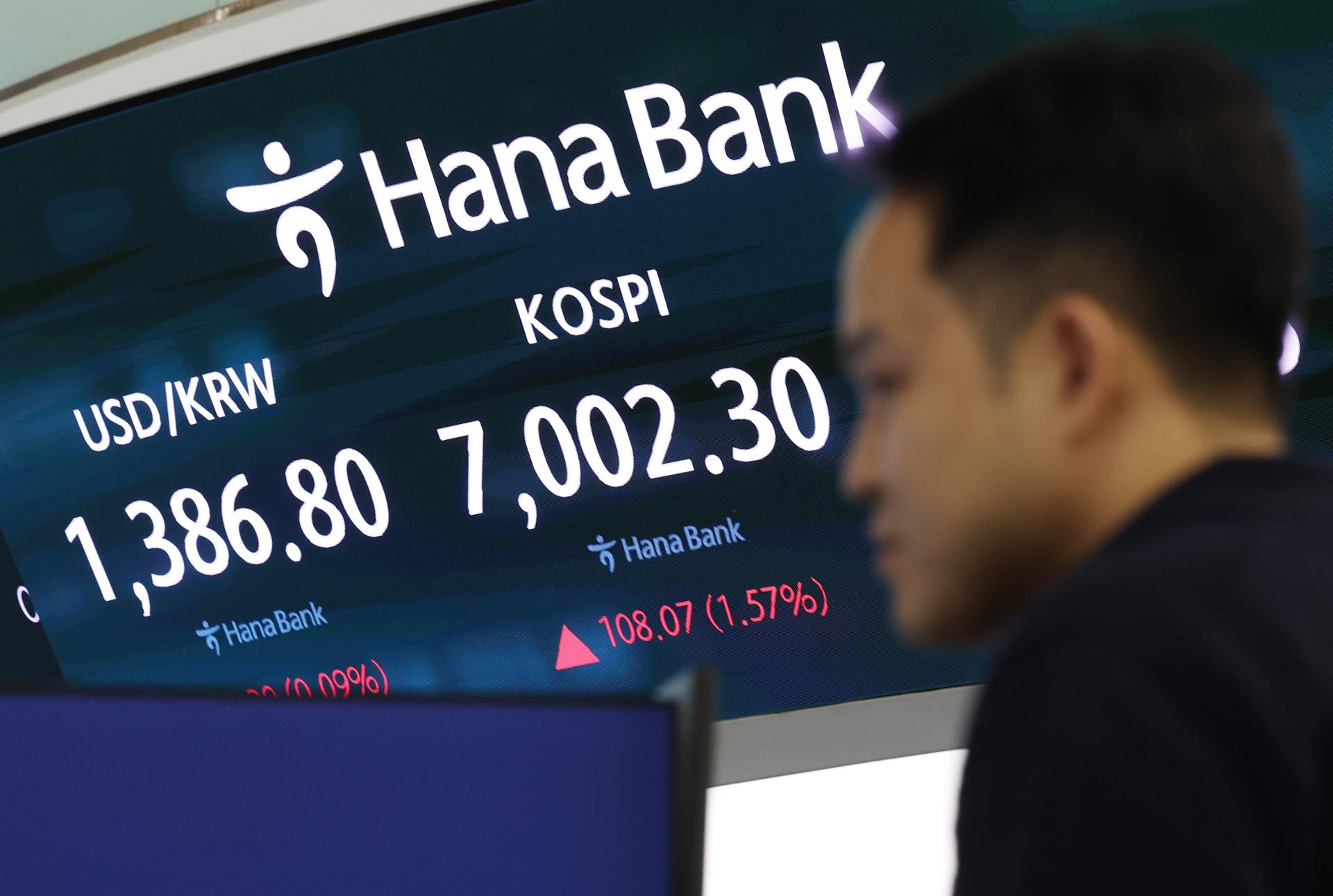
When the economy's control panel begins flashing red warning signals, the market typically starts reacting. Economists observe that prices are often adjusted ahead of official confirmation of any potential damage, followed by a reversal if the anticipated harm doesn't materialize. This pattern is about to be tested again.
Recent data shows wholesale prices rising by 5.4% over the past year as of August 2026, while crude oil prices surged above $100 per barrel on September 15. The situation becomes even more complex with the Federal Reserve's decision on September 16 to raise interest rates by 0.25%, the first increase since 2023.
These circumstances present an uneasy combination for major indices like the S&P 500 (SNPINDEX: ^GSPC), the Nasdaq Composite (NASDAQINDEX: ^IXIC), and the Dow Jones Industrial Average (DJINDICES: ^DJI). All three could face significant challenges if the rising prices and increased input costs result in reduced business margins or lower consumer demand for goods.
However, economist Paul Samuelson once humorously noted in 1966 that stocks had accurately predicted nine out of the last five recessions. So, let's delve into historical lessons and attempt to extract useful principles for understanding what to anticipate next.
Written by urgent.news from Motley Fool's reporting — not their text. Machine-written — may contain errors; check the original before relying on it.
This story
This is one outlet's version. Read the fullest account.