Oil extends decline amid U.S.-Iran diplomacy hopes
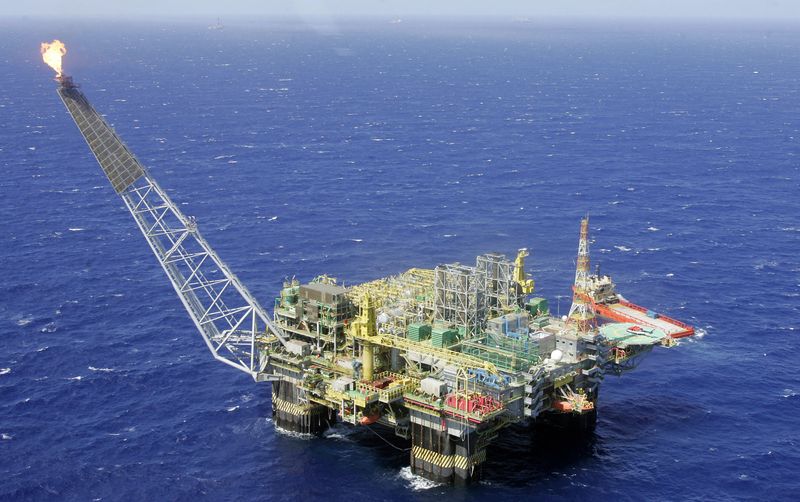
Oil prices continued to fall on Monday in Asian trading, deepening their slide from the previous week as traders monitored attempts to resolve tensions between the United States and Iran. At 20:33 ET (00:33 GMT), Brent Oil Futures for November delivery declined 0.9% to $102.93 per barrel, while West Texas Intermediate (WTI) crude futures fell 1% to $99.27 per barrel.
Despite signs of potential diplomatic progress, tensions remained high due to ongoing attacks by Iran-backed Houthis in Yemen. As of the latest update, Brent oil had already experienced weekly losses on Friday following indications of possible diplomatic progress and efforts to restore disrupted Saudi oil supplies, which helped alleviate some market concerns about supply shortages.
President Donald Trump, speaking on Fox News, suggested he would consider meeting with Iranian President Masoud Pezeshkian at the United Nations General Assembly in New York this week. Such negotiations could potentially alleviate the geopolitical premium in crude oil prices.
However, the recent Houthi attacks on Riyadh, including missile and drone strikes, have reignited concerns about the vulnerability of energy infrastructure and shipping routes in the region. Saudi Arabia issued air-raid alerts for the capital in response to the assaults. The Houthis have intensified their campaign against Saudi Arabia amid the broader U.S.-Iran conflict, raising worries about further disruptions to Saudi oil exports.
The East-West pipeline, which transports crude from Saudi Arabia's eastern fields to the Red Sea, has been affected by the attacks, although Riyadh has been exploring alternative methods to export barrels to international markets. Earlier reports of Saudi Arabia offering additional crude cargoes to Asian refiners via ship-to-ship transfers off Oman's Sohar port have helped alleviate fears of an immediate shortage.
Nonetheless, conflicting signals from both diplomatic and military fronts continue to make oil markets highly sensitive to developments.
Written by urgent.news from Investing.com's reporting — not their text. Machine-written — may contain errors; check the original before relying on it.
Also reported by 1 other outlet
- Oil extends decline amid U.S.-Iran diplomacy hopes hellenicshippingnews.com