Warren Buffett’s last lesson as chair: Culture and capital require different guardians
Buffett’s separates Berkshire’s operating authority from its cultural stewardship.
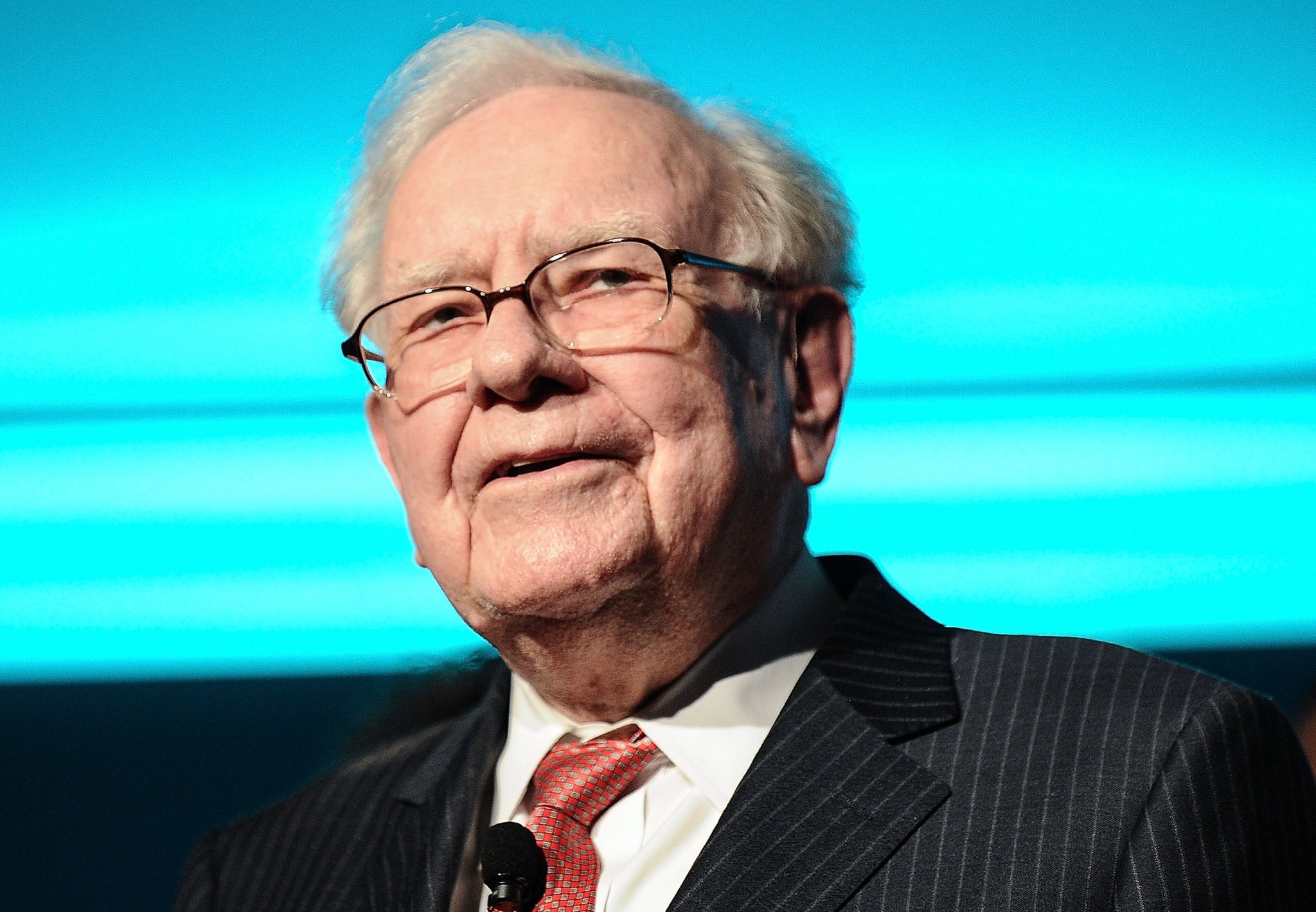
Warren Buffett, at 96, has officially retired as chair of Berkshire Hathaway, concluding a leadership tenure that spanned over six decades. His successor, his son Howard G. Buffett, assumed the role immediately upon Buffett's decision, effective September 18. This leadership transition, which began with Greg Abel's appointment as CEO in January, was initiated by Buffett himself, despite the surprise it caused among some investors. The plan was part of a "long-standing succession," as Berkshire Hathaway described.
In his shareholder letter, Buffett revealed that the timing was ideal, partly because Abel surpassed Buffett's high expectations. He highlighted a clear distinction between operating authority and cultural stewardship: "Greg runs the company; Howard will guard its culture and values," emphasizing that both roles are indispensable. Buffett reiterated that the culture he cultivated remains "worth more than anything on our balance sheet."
Abel praised Buffett's unparalleled impact on Berkshire Hathaway, stating that the culture he built will remain the heart of the conglomerate, with Howard taking on the role of its guardian. Susan Decker will continue as a lead independent director.
Under Abel's leadership, Berkshire Hathaway has significantly increased its capital allocation. In the first half of 2026, the company spent $39.4 billion on equity purchases, a five-fold increase from $7.1 billion in the same period a year earlier. Alphabet became Berkshire's third-biggest holding, valued at $37.8 billion at midyear, following a $10 billion commitment to support Alphabet's AI investments.
This commitment aligns with Abel's value-oriented approach, similar to Buffett's, along with his $6.8 billion purchase of homebuilder Taylor Morrison and $4.5 billion in share buybacks after a year-long hiatus.
The true test of Berkshire's succession lies not in Abel's ability to replicate Buffett's leadership but in his capacity to uphold Berkshire's disciplined culture while making capital-allocation decisions that might diverge from Buffett's own judgments.
Written by urgent.news from Fortune's reporting — not their text. Machine-written — may contain errors; check the original before relying on it.