This NATO-backed drone AI picked its own target and struck it, but relied on a human-drawn map to do so
Humans assigned the drone with its mission, but no one has explained whether it can be stopped if its links are jammed.
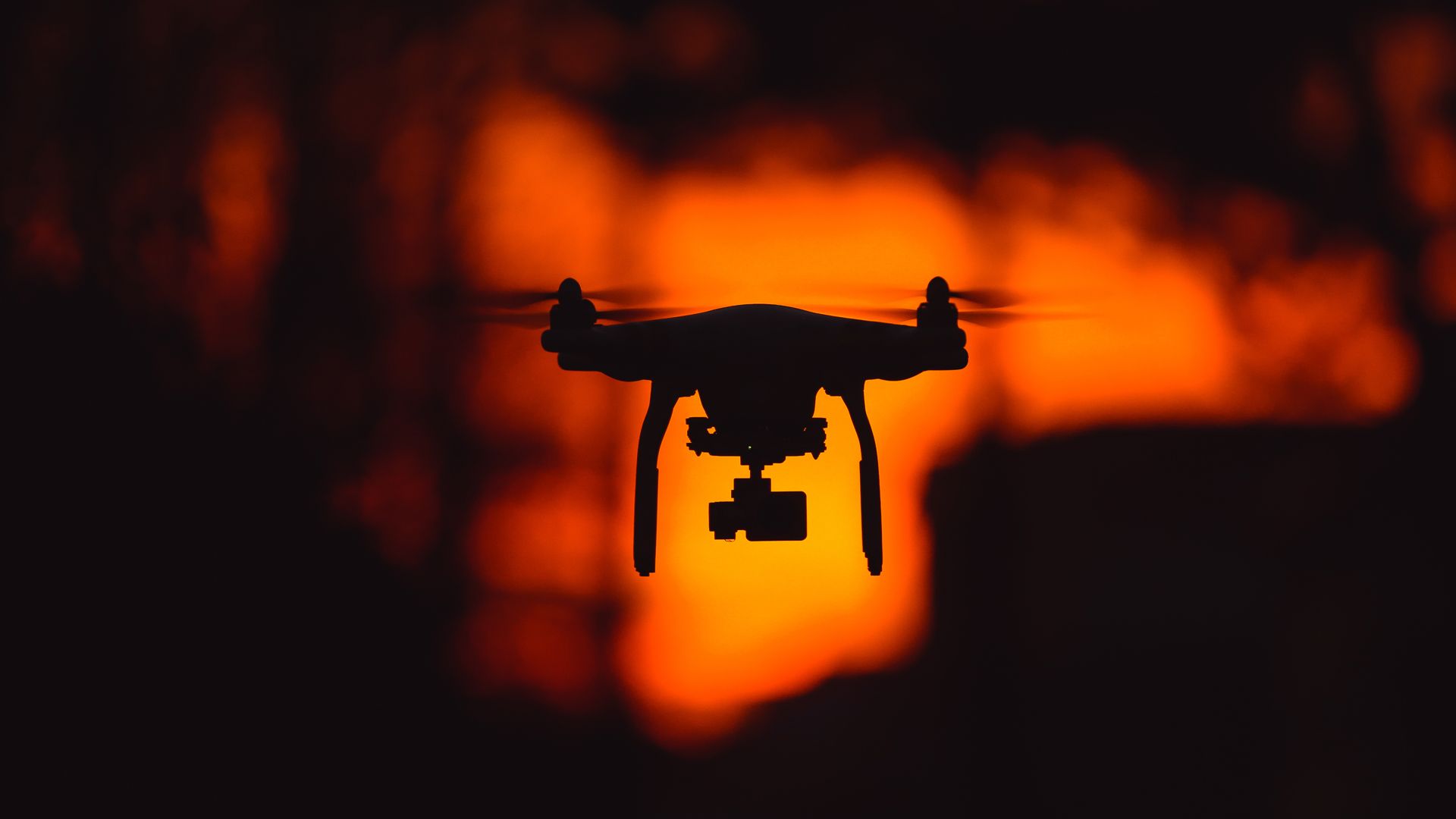
In January 2026, a NATO-backed drone equipped with artificial intelligence successfully targeted and eliminated an armored engineering vehicle during a demonstration. The unmanned aerial vehicle, developed by BAE Systems and Scaleout Systems, demonstrated its ability to autonomously select, target, and neutralize a threat without any human intervention.
The small drone, operating over a snow-covered test range in Sweden, identified a high-value target and executed a strike, marking a significant step towards increased autonomy in drone operations.
The test, part of the Affordable Loitering Modular Ammunition (ALMA) program, showcased how AI models can take over critical tasks such as target selection and mission execution. The drone leveraged onboard AI to detect, identify, and geolocate potential threats, making decisions independently from start to finish. While a pilot remained on standby and a continuous connection was maintained, the drone ultimately carried out the entire mission without any human involvement.
This autonomous capability raises both opportunities and concerns for modern militaries. On one hand, an AI-driven drone that can select and strike targets without oversight is less vulnerable to jamming and offers a higher likelihood of mission success. On the other hand, the lack of human oversight increases the risk of the drone making errors or malfunctioning without corrective intervention.
Despite the absence of human interaction during the strike, the test emphasized the reliance on human input for initiating the exercise and setting mission parameters. BAE Systems Bofors, the developer of the drone, refrained from highlighting the autonomous aspect in their release on the Winter Demo 2026 event, which focused on showcasing various startups and technologies in the defense industry.
The demonstration comes at a time when international discussions on the regulation of lethal autonomous weapons are intensifying. In September 2025, 128 states party to the Convention on Certain Conventional Weapons agreed on a non-binding text addressing lethal autonomous weapons, following late changes by the United States and Russia. These changes included provisions on human judgment and control, which diluted the progress made over three years of negotiations.
For now, Scaleout Systems has demonstrated that detection, ranking, and targeting can be performed by a small airframe without a data link, within predetermined parameters set by humans. As autonomous machines become more prevalent on modern battlefields, the question remains: how will such drones make decisions in the absence of human oversight, particularly in scenarios where communication is lost or the system malfunctions?
Written by urgent.news from TechRadar's reporting — not their text. Machine-written — may contain errors; check the original before relying on it.