The Most Underutilized Part of Tech Is the Media Layer
Technology has a strange communication problem. We have never had more powerful tools, more ambitious startups, more capable computers, or more sophisticated software. Yet when most people encounter new technology, they are often given one of two things: Corporate jargon or science fiction. Neither is particularly useful. We hear about "AI-powered transformation," "autonomous systems," "spatial…
The technology industry excels at creating powerful tools and sophisticated software, but often fails to effectively communicate how these innovations actually work to the average person. Instead, technology is commonly presented through corporate jargon or science fiction, which fails to provide clear explanations of their actual functionality and relevance to everyday life. This media gap creates a significant opportunity that remains underutilized.
At one end of the spectrum are highly technical resources like research papers, GitHub repositories, API documentation, conference presentations, benchmark charts, architecture diagrams, and developer tutorials. On the other end are science-fiction movies, futuristic advertisements, and sensational headlines that often dominate the media coverage of new technologies. The gap between these extremes leaves the average person feeling disconnected from technological advancements.
One major consequence of poor technology media is that innovations appear to operate like magic rather than through logical processes. When asked how an algorithm works, people might respond with vague statements like "the algorithm knows what I like" or "it learns". Similarly, large language models create the illusion of intelligence without explaining the underlying computations, data, mathematical techniques, optimization, specialized hardware and engineering that make them possible.
The reliance on science fiction as a default visual language for explaining real technology leads to a homogenized "futuristic" image of technology that obscures the actual innovations. Many important technological changes are often mundane and lack spectacle, such as database optimizations, better compression algorithms, networking protocols, sensors, batteries, compilers, warehouse automation systems, semiconductor manufacturing improvements and open-source libraries that quietly change what is economically feasible.
These incremental advancements can dramatically improve efficiency, reduce costs, and enhance productivity without generating a dramatic demonstration.
To address this technology communication problem, there should be a dedicated media category focused on explaining technology without assuming the audience is highly technical. This would involve translating complex technical concepts into accessible explanations. For example, instead of stating "a transformer-based multimodal model performs autoregressive inference over tokenized representations", a communicator could explain "the system breaks information into pieces, processes relationships between those pieces using a neural-network architecture, and predicts what should come next".
This preserves the underlying complexity while making it understandable and fostering curiosity about how the technology works.
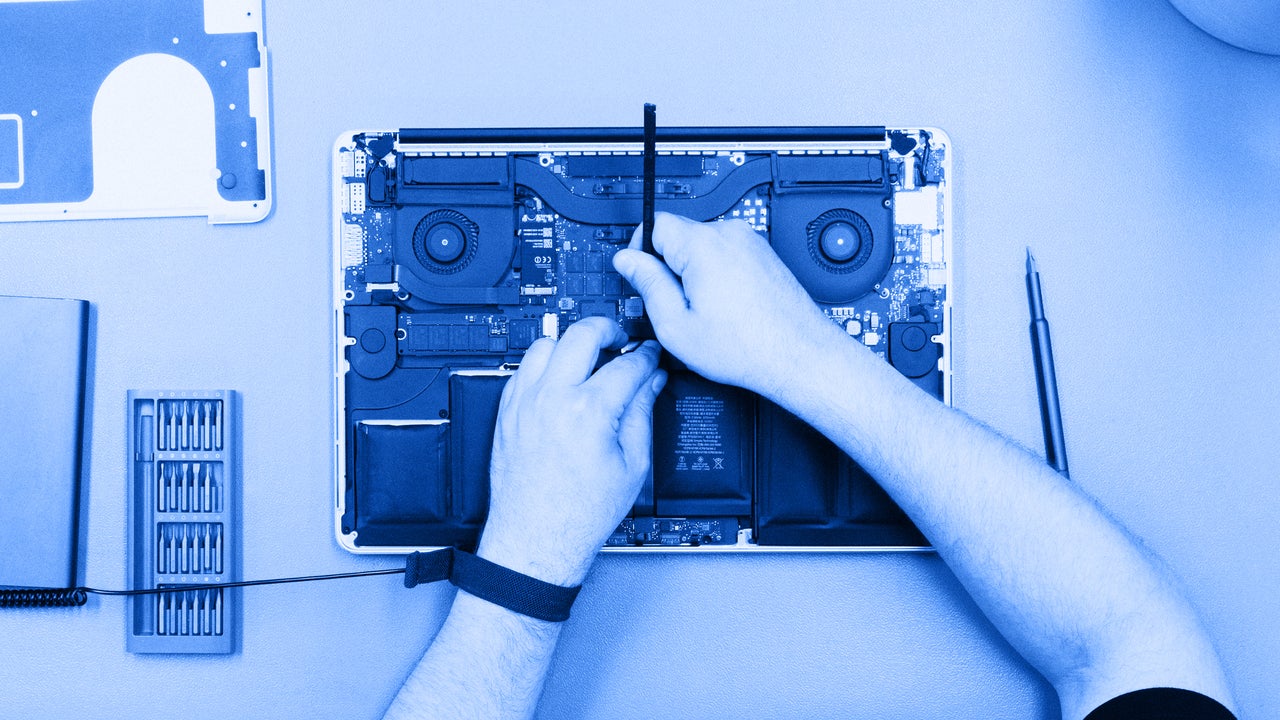
Ultimately, technology communication should focus on revealing the machinery and infrastructure that powers innovations. Instead of showing someone interacting with an AI chatbot, it would be more informative to demonstrate what happens between the user's question and the bot's response, including the underlying sensors, cameras, motors, control systems, software, cloud infrastructure, and electricity networks.
This approach highlights the actual components and processes, conveying a deeper appreciation for the technology's complexity and impact.
In summary, the technology industry has a significant opportunity to improve communication by providing more accessible explanations of complex innovations. By moving beyond jargon and science fiction, and embracing a narrative that shows the machinery behind the technology, media creators can help bridge the gap between technical experts and the average person.
This could lead to greater public understanding, appreciation, and engagement with emerging technologies, unlocking their full potential for improving our daily lives and economic well-being.
Written by urgent.news from Dev.to's reporting — not their text. Machine-written — may contain errors; check the original before relying on it.