Refurbished vs. new tech: Which gear is safe to buy used (and what to avoid)
The tech industry wants you to believe that every device must be unboxed fresh from the factory floor. But for practical professionals, buying certified refurbished hardware is the easiest way to pocket a 40%-60% discount without sacrificing performance. The catch? “Refurbished” products cover a wide spectrum. On one end, you have manufacturer-certified enterprise gear meticulously restored to…
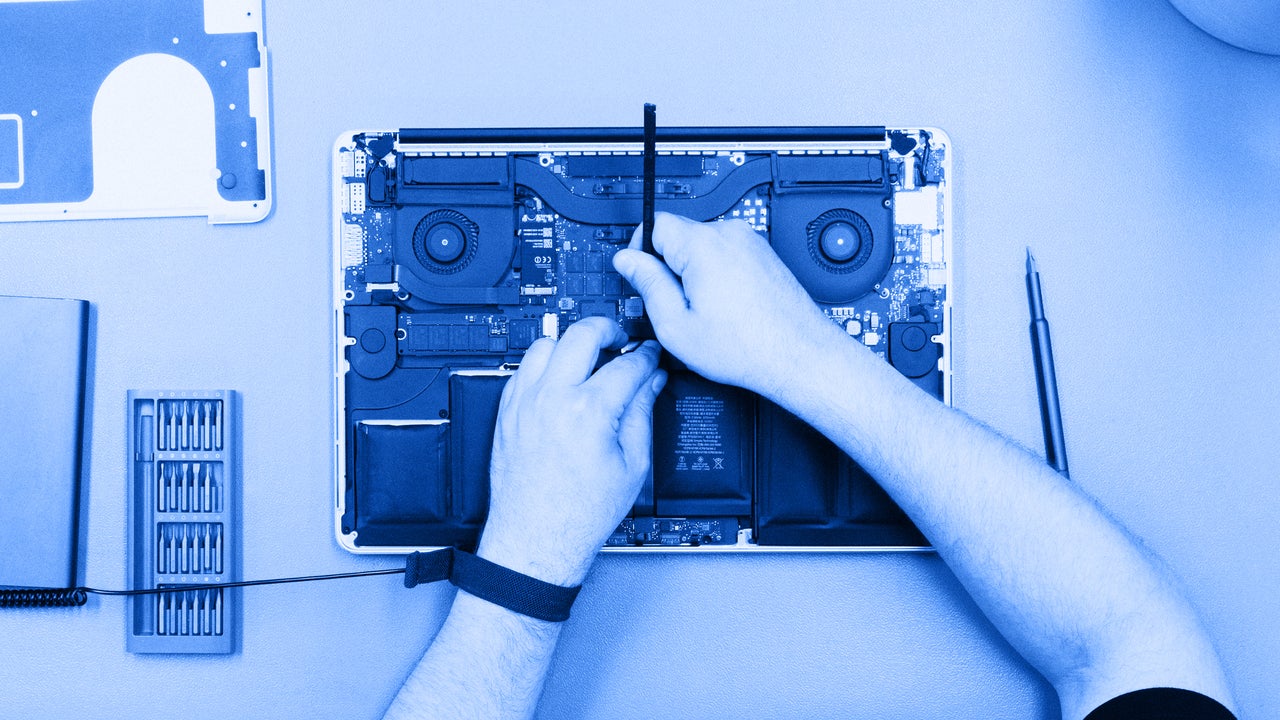
Refurbished versus new technology can be a confusing choice for consumers looking to save money without sacrificing performance. The tech industry often promotes the idea that devices must be brand new, but certified refurbished hardware offers significant savings without a loss in quality. However, the term "refurbished" encompasses a range of products, from manufacturer-certified enterprise gear to third-party mystery boxes.
Enterprise business laptops, such as Lenovo ThinkPads, Dell Latitudes, and Apple MacBooks, can be safely purchased refurbished. These machines, originally designed for heavy use in corporate environments, undergo rigorous testing and sometimes upgrades before being resold at a discounted price. This makes them a smart choice for practical professionals seeking to save 40%-60% on their purchase.
Certified refurbished monitors, like computer displays, have no moving parts and can be purchased from vendors offering guarantees of zero dead pixels and no panel burn-in. This means that refurbished monitors function identically to brand-new units at a fraction of the cost.
Desktops and micro PCs, such as Lenovo Tiny, Dell OptiPlex Micro, and Apple Mac mini, are excellent options for home office workstations, media servers, or quiet desktop setups. These devices, typically used in a stationary manner, can be refurbished and sold at budget-friendly prices due to their simple, non-damaging design.
Docking stations, USB-C hubs, and mechanical keyboards are other items that benefit from refurbished savings. Enterprise docks are particularly durable and sell for up to 50% off retail due to their essential packaging.
When shopping for refurbished tech, stick to manufacturer-certified or tier-1 refurbishers to ensure quality and reliability. Always opt for factory-new storage drives and solid-state drives (SSDs) to avoid the risk of consuming the limited lifespan of these components. Be cautious with batteries and power supplies, as these crucial parts can deteriorate with use and lead to costly failures.
Lastly, printers are usually not a good choice for refurbished items due to their complex mechanical components and the high likelihood of issues arising from wear and tear.
Written by urgent.news from Fast Company's reporting — not their text. Machine-written — may contain errors; check the original before relying on it.