Tesla’s Cybercab exposes a robotaxi emergency-response problem
For the self-driving car industry, first responder guidance is a collective action problem. Tesla’s Cybercab, a gold-tinted self-driving sedan outfitted with doors that eject sideways and upward, officially hit the road earlier this month. In some cities, the vehicles have mysteriously appeared out of nowhere, while in others, like Austin, they’ve begun accepting rides and offering autonomous…
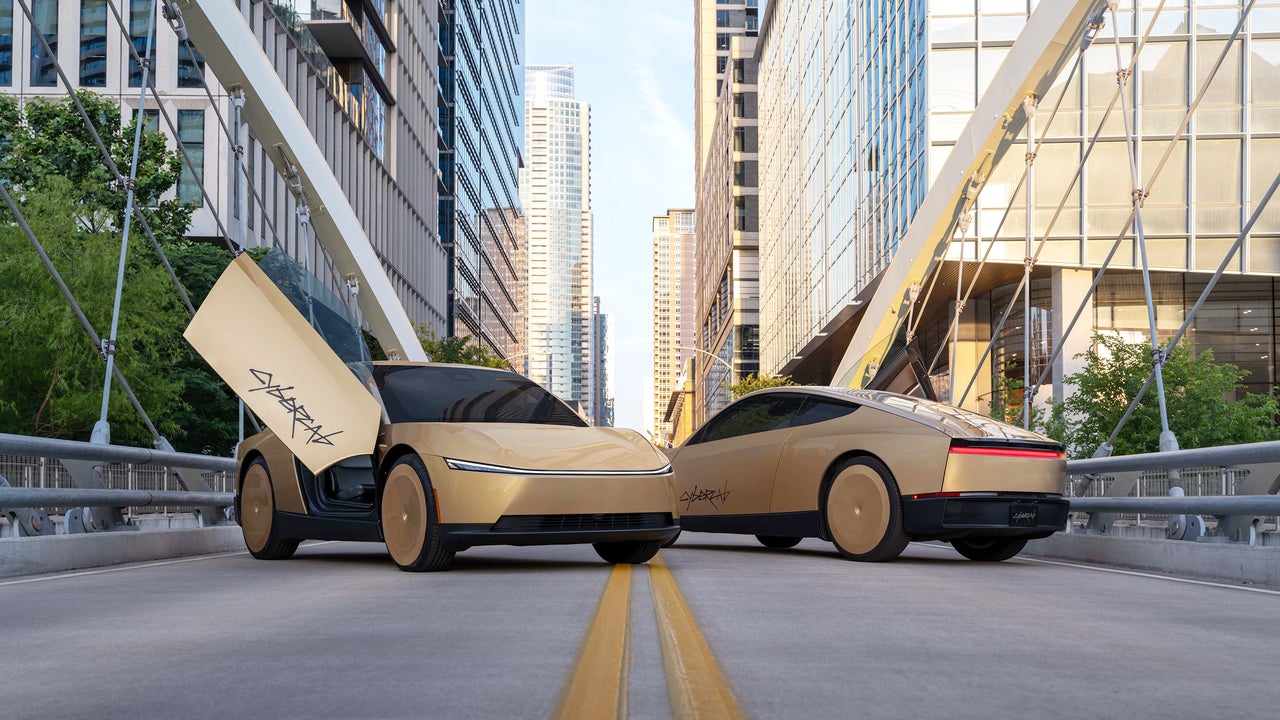
Tesla's Cybercab, a self-driving sedan with unique features, has raised concerns among firefighters and police officers about how they will respond to emergencies involving these vehicles. The company has released new guidance for first responders, outlining responsibilities and potential challenges when interacting with Cybercabs.
The guide highlights the need for firefighters to call two different support numbers and wait for a company staffer to connect with the vehicle. Law enforcement may also need to reach out to Tesla for assistance in implementing geofences, which are software commands that restrict a self-driving car's movement to certain areas. First responders must become familiar with the unique features of Cybercabs, such as sideways and upward ejecting doors and integrated cameras, as well as the labels that indicate when the vehicle is in autonomous mode.
However, concerns have been raised about the potential added responsibility for first responders, who may already be overwhelmed with tasks during emergency situations. Some argue that expecting police and firefighters to navigate multiple manufacturer-specific emergency-response protocols could be unreasonable, given the cognitive and training workload involved.
A professor of technology and fire science suggests that establishing standardized, manufacturer-neutral emergency-response protocols could be a more practical solution, involving collaboration between manufacturers, fire departments, researchers, and regulators.
Written by urgent.news from Fast Company's reporting — not their text. Machine-written — may contain errors; check the original before relying on it.