Tengku Zafrul: Asean’s next integration stage could draw on Malaysia’s NIMP 2030 principles
SINGAPORE, Sept 21 — Asean’s next stage of economic integration could draw on the principles underpinned by...
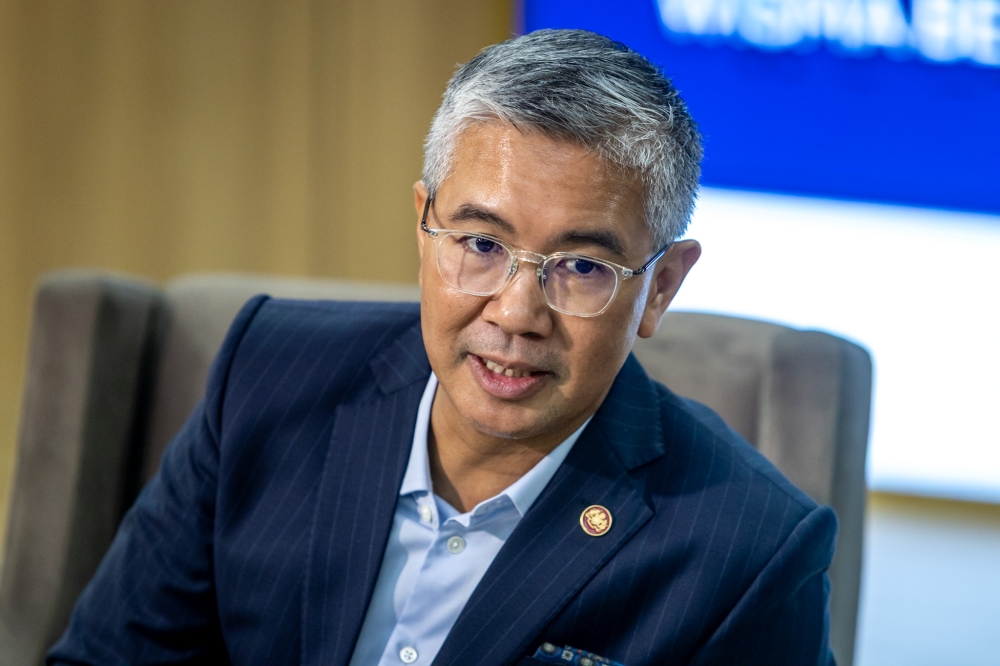
In his keynote address at the 2026 China-Asean Business Leaders Summit on Monday, Malaysian Investment Development Authority (Mida) chairman Tengku Datuk Seri Zafrul Abdul Aziz suggested that Asean’s next phase of economic integration could be influenced by Malaysia’s New Industrial Master Plan (NIMP) 2030. This plan, launched in 2023, serves as a vital industrial pillar within the broader Madani Economy framework, with the goal of enhancing economic complexity, accelerating technology adoption, pursuing net zero emissions, and ensuring economic security and inclusivity.
Tengku Zafrul highlighted Asean's strategic position between the East and West, situated along key trading routes. He noted that Asean possesses significant consumer markets, abundant resources, a burgeoning digital economy, and a diverse talent pool. Foreign direct investment (FDI) in Asean reached US$226 billion in 2024, nearly double the amount recorded in 2015. However, he emphasized that the true value of this investment lies in its impact on the people of Asean.
The Malaysian official stressed that manufacturing and industrial development are crucial for the region, as their effects are felt across various sectors, including suppliers, logistics, professional services, technology, energy, and skilled labor. He emphasized that investments should leave a legacy of knowledge, stronger enterprises, and a better-skilled workforce. Tengku Zafrul argued that this same principle should guide Asean’s subsequent stage of development.
He pointed out that both Asean and China share indigenous traditions that view shared prosperity as a key aspect of sound business practices. In the current global landscape, he highlighted that addressing the wealth gap necessitates the same policy commitment that fueled their respective growth in the first place. Although Asean and China differ in their strengths, levels of development, and talent pools, regional integration can leverage these strengths, broaden market access, and foster growth for companies and individuals alike.
Tengku Zafrul concluded by asserting that a more robust regional economy presents additional opportunities for wealth creation.
Written by urgent.news from Malay Mail's reporting — not their text. Machine-written — may contain errors; check the original before relying on it.
This story
This is one outlet's version. Read the fullest account.