Spotify is now gatekeeping new music to Premium subscribers, but the blame lies elsewhere
Record label licensing demand has forced a three-day album release delay on ad-supported tiers across music streaming apps.
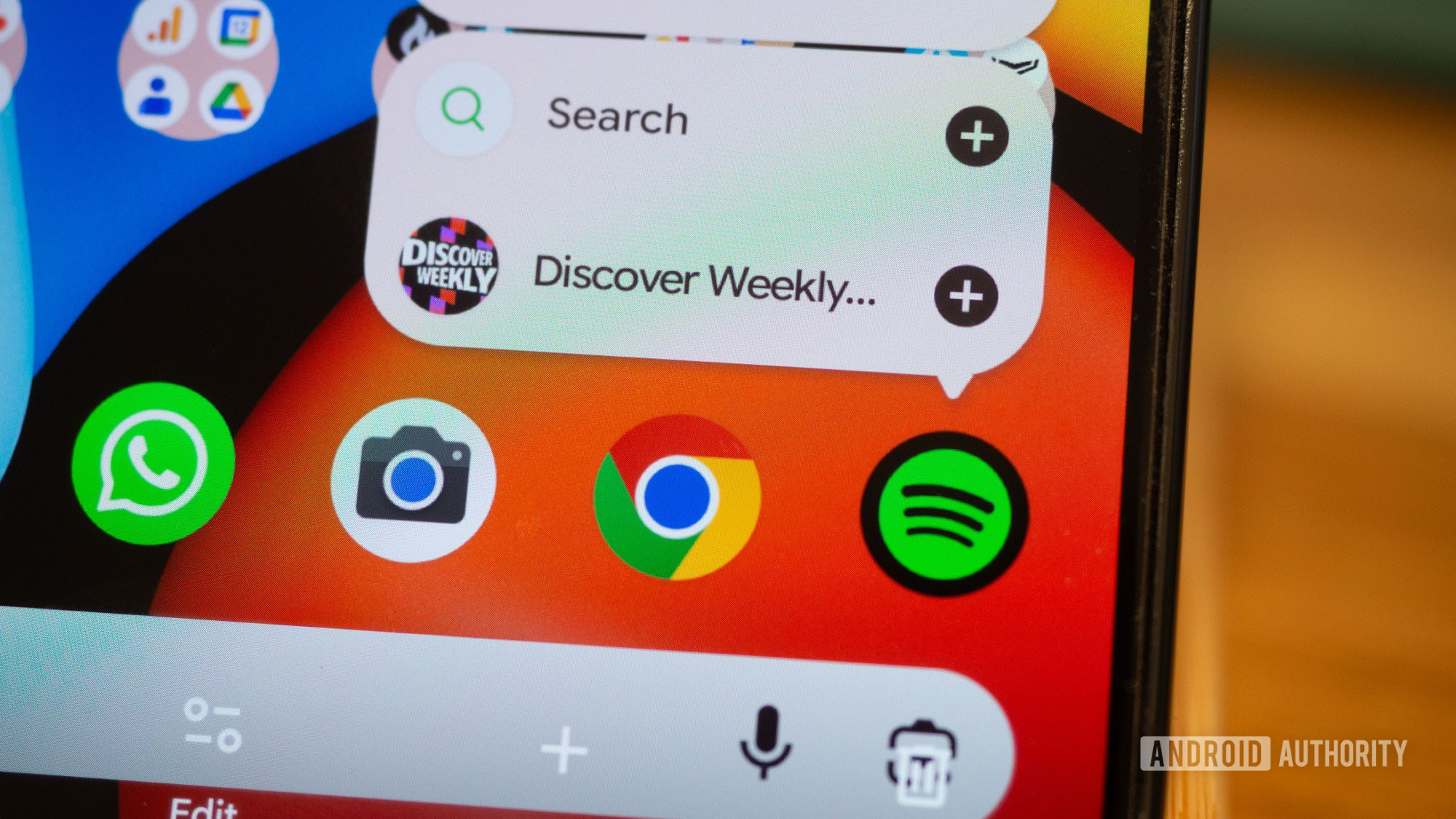
Spotify is currently implementing a new policy that restricts access to newly released music for non-paying subscribers, sparking controversy among users. The change, dubbed "Premium Early Access," temporarily delays the availability of brand-new album releases for free users by three days in certain regions, such as India and Bangladesh. This decision, however, is not solely driven by Spotify's desire to increase revenue.
The delay in music releases is primarily due to licensing requirements set by record labels, with Universal Music Group taking the lead. This licensing issue affects competing ad-supported services like YouTube Music and Amazon Music as well. Critics argue that this move could potentially lead to increased piracy, as free users may resort to illegal means to access the latest music before it becomes available to paying subscribers.
On the other hand, supporters of the policy point out that the lower revenue generated from ad-supported tiers may be a contributing factor to this change. By prioritizing the interests of Premium subscribers, Spotify aims to maximize its revenue and provide a better experience for its paying users. However, this decision has not been universally welcomed, with some users criticizing Spotify for favoring its premium customers over the free tier.
Recently, Spotify made a positive change by allowing users to opt out of having their recommendations influenced by kids' and family music. This update was highly appreciated by parents and guardians who wished to keep children's music separate from their own playlists and personalized recommendations, including Spotify's "Wrapped" feature. Nonetheless, the recent introduction of the "Premium Early Access" window has stirred up mixed reactions among the Spotify community.
Written by urgent.news from Android Authority's reporting — not their text. Machine-written — may contain errors; check the original before relying on it.
This story
This is one outlet's version. Read the fullest account.