Prada-Kolhapuri controversy: Can a G.I. tag prevent cultural misappropriation?
How many Indian products are registered as GI-tagged goods? Do ‘international’ GI rights exist?
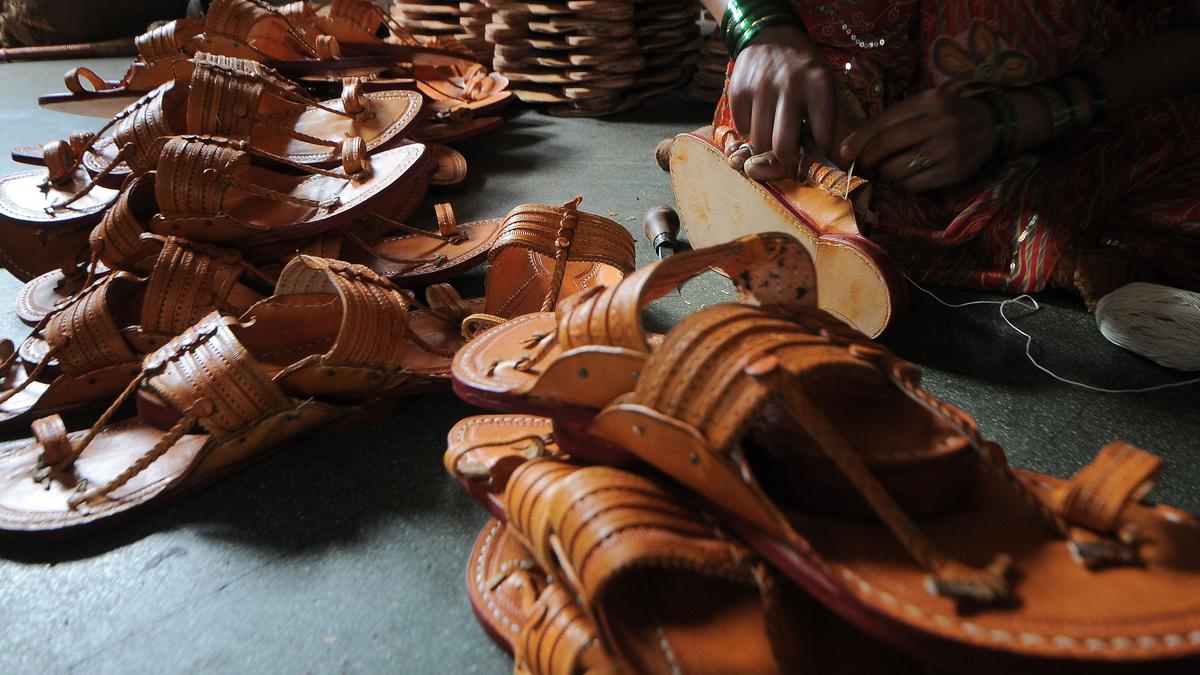
On June 25, Italian fashion house Prada shocked the world when it unveiled a new line of footwear at its Spring/Summer 2026 menswear show in Milan. The shoes drew inspiration from India’s Geographical Indication (GI)-tagged Kolhapuri chappals, igniting a fierce debate over 'cultural misappropriation'.
In India, there are currently 658 registered GI-tagged goods, spanning a wide range of products from textiles to food items. Examples include Chanderi sarees from Madhya Pradesh, Madhubani paintings from Bihar, Pashmina shawls from Jammu and Kashmir, Kancheepuram silk from Tamil Nadu, and Darjeeling tea from West Bengal. These GIs serve as vital marketing tools, contributing to rural development, boosting exports, enhancing consumer confidence, and preserving the 'cultural knowledge' of local communities, farmers, and indigenous groups.
Unlike trademarks, which are owned by businesses, GIs are a public resource belonging to the producers of the associated goods. Once designated, they cannot be assigned, transferred, or licensed to others. This unique status ensures that the unique qualities, characteristics, or reputation of the goods are intrinsically linked to their 'place of origin'.
Prada's decision to incorporate elements of the Kolhapuri chappal into its new collection has sparked accusations of cultural misappropriation. The brand's use of the iconic footwear without the proper authorization or acknowledgment has raised serious concerns about respect for India's rich cultural heritage and the rights of the communities that have crafted these traditional products for generations.
Written by urgent.news from The Hindu's reporting — not their text. Machine-written — may contain errors; check the original before relying on it.