One Nation One Election: Pros And Cons
One Nation, One Election (ONOE) has emerged as one of India’s most consequential governance reform debates. Prime Minister Narendra Modi has identified it, along with the UNIFORM CIVIL CODE, among the important unfinished agendas of national significance. At its core, ONOE is not merely about aligning election dates. The larger question is whether India can reduce the disruptions caused by…
One Nation, One Election (ONOE) has become a major governance reform debate in India. While Prime Minister Narendra Modi emphasizes it as one of the crucial unfinished agendas, the core question revolves around whether India can balance reducing election disruptions while maintaining its federal structure and democratic accountability. As India moves towards a developed economy, the need for continuity and quality of governance is crucial.
One of the key advantages of ONOE is ending the "permanent campaign" cycle. Frequent elections lead to continuous electoral cycles, disruption in governance, and decision-making due to the repeated enforcement of the Model Code of Conduct. By implementing ONOE, India could achieve a more stable five-year period for policy formulation, implementation, and development, allowing government attention to shift from electoral management to long-term priorities such as manufacturing, renewable energy, and digital transformation.
Another benefit is the reduction in electoral expenditure. Conducting separate elections incurs substantial costs, including security, manpower, polling infrastructure, EVMs, VVPATs, and administrative expenses. Synchronized elections could potentially lower these costs, redirecting the saved resources towards infrastructure, education, healthcare, and other development priorities.
Additionally, greater policy continuity can encourage long-term policymaking, providing a stable environment for businesses and investors to make long-term commitments.
ONOE could also promote fiscal discipline by discouraging populist measures like subsidies and loan waivers. With a longer period without elections, governments might focus more on productive capital expenditure and structural reforms, supporting infrastructure, education, healthcare, skills, and employment. Protecting human capital is another significant advantage, as teachers, government employees, security personnel, and administrators would be less frequently diverted for election duties.
This would enable government machinery to remain focused on education, healthcare, skills, employment, and development.
The transformation of India into a developed economy necessitates sustained policy implementation, which could be facilitated by ONOE. A predictable electoral cycle would support long-term economic planning and development. However, there are concerns regarding the potential weakening of federalism, as national issues might overshadow state-specific concerns, leading to increased political dominance of national parties.
To protect the federal character, constitutional protections, consultation with states, separate state-level campaigns, and manifestos should be considered.
Regional issues might be sidelined if national personalities and concerns dominate the election narrative. Separate ballots, distinct manifestos, and campaigns focused on state issues could help preserve voters' ability to distinguish between national and state choices. Moreover, synchronization may require changes in the terms of some state assemblies, raising questions about the mandate given by voters and necessitating constitutional and democratic approval for any alterations.
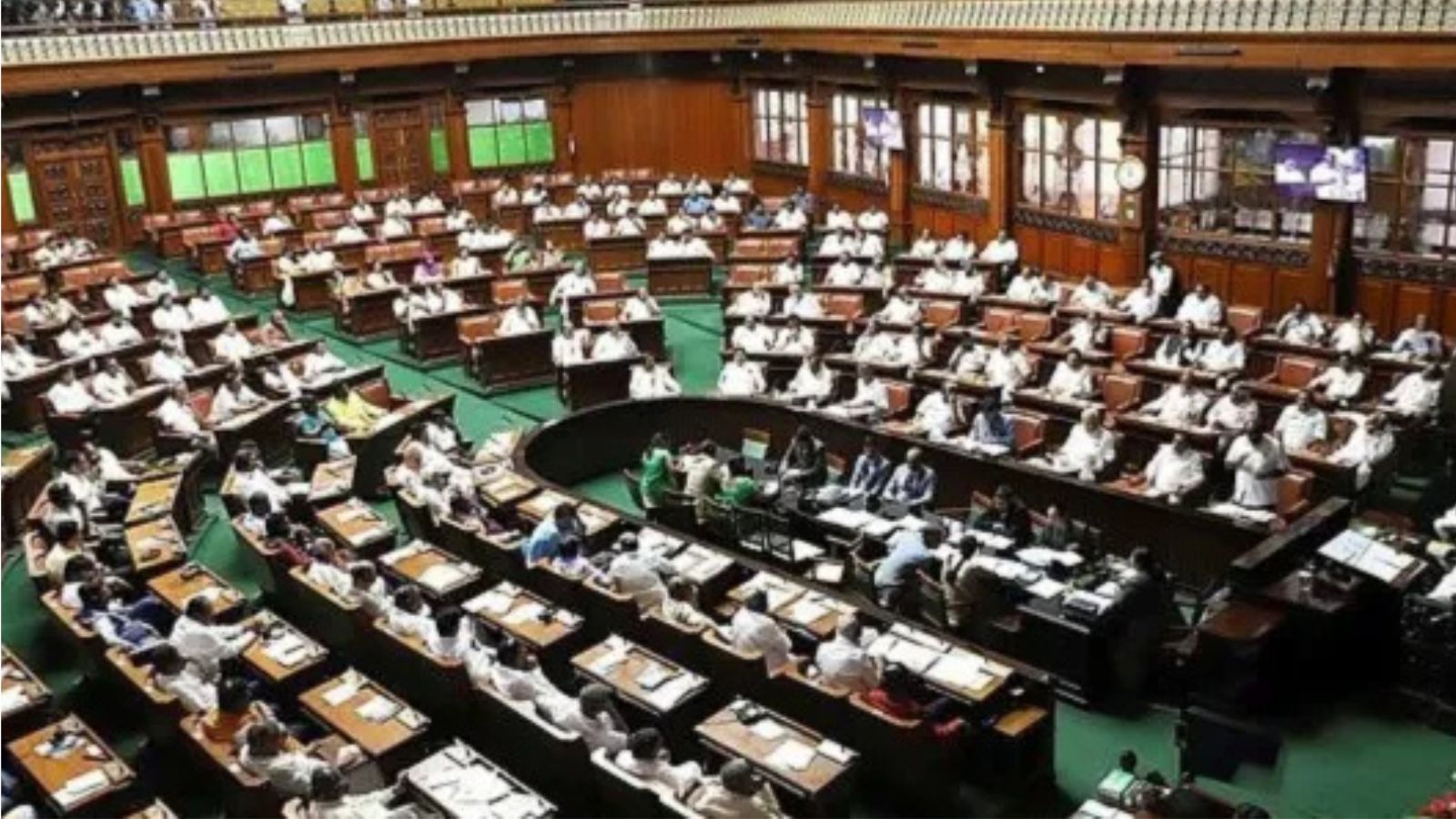
Political experts unanimously support ONOE at a round table conference. However, implementing ONOE requires significant constitutional and legislative changes, impacting the relationship between Parliament, state assemblies, and the Election Commission. Extensive parliamentary scrutiny, consultation with constitutional experts, states, and political parties, followed by widespread consensus, are essential before its implementation.
Written by urgent.news from Free Press Journal's reporting — not their text. Machine-written — may contain errors; check the original before relying on it.