Mumbai student alleges home search after pro-Palestine campaign
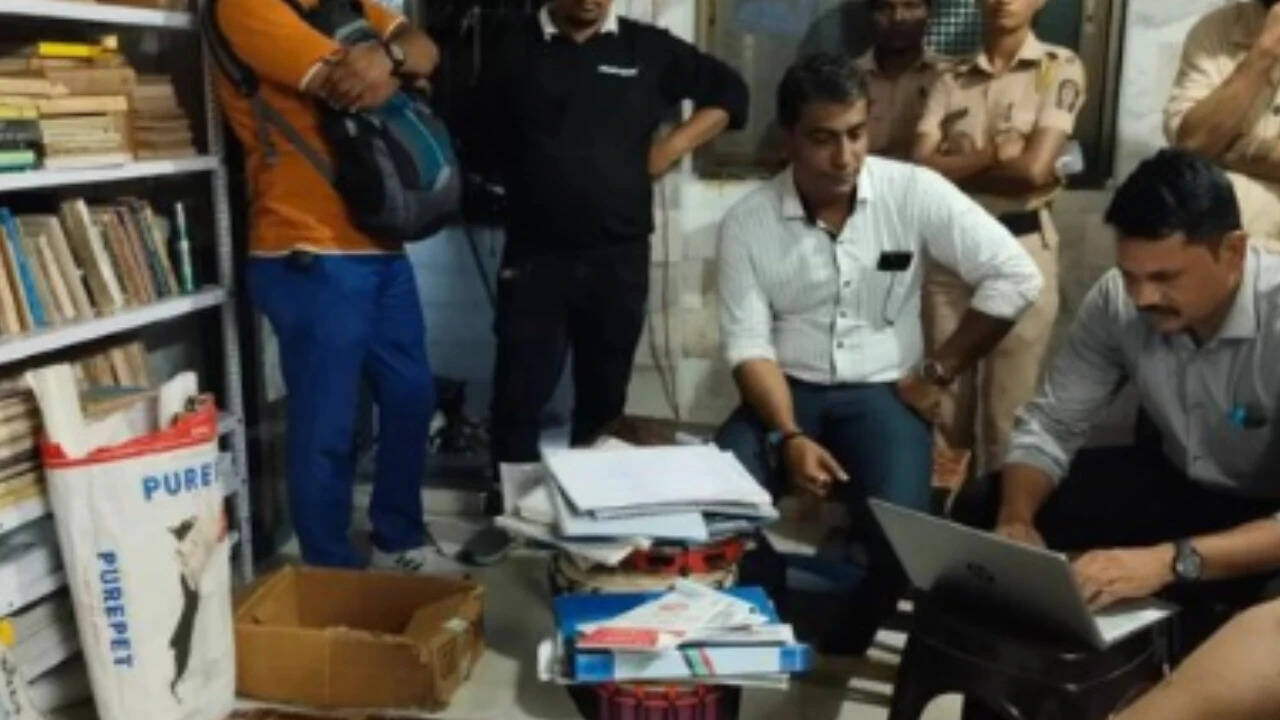
A student claims police searched her home for nine hours without a warrant. She alleges her friends were mistreated and she faced detention. The search reportedly linked to a pro-Palestine kite-flying campaign. Police are conducting an inquiry into the alleged incident. The student's landlord has asked her to vacate her residence.
Neha Kale's book A Foreign Return: On Art and Inhabitation intertwines her personal memoir with art criticism. Born in Mumbai and now residing in Sydney, Kale explores themes of art, colonialism, nostalgia, and the places we may call home. The book begins with a description of Indian artist Dayanita Singh's Suitcase Museum, a photographic installation of domestic interiors that evoke childhood memories of holidays at Kale's grandfather's house in Goa.
This visual contrast sets the stage for Kale's analysis of another painting dealing with ideas of home, John Brack's 1953 work, The New House. Kale recognizes Brack's appreciation of his subjects' achievement in buying their own piece of post-war aspiration, contrasting with those who have seen his work as satirical.
Growing up in a part of the great Indian diaspora, Kale's family moved from Mumbai to Perth when she was a child. She remembers being entranced by the intense blue of the southern sky and the way each suburban house was self-contained. However, even the whitest of Perth's suburbs were divided by class, as evident in the less-than-subtle signs of class discrimination she encountered. Kale's experiences in Perth serve as a stark contrast to the neat, multicultural narratives of television shows like Heartbreak High.
Kale's encounters with various works of art continue to shape her understanding of life. The 17th-century Italian Baroque painter Artemisia Gentileschi and her best-known subject, Judith Beheading Holofernes, are explored in depth. Gentileschi was a victim of rape and the inquisitorial aftermath, serving a short prison sentence for her rapist, an artist who was married. Gentileschi's story is a testament to the strength and resilience of women in the face of violence.
The chronology of Kale's life serves as the loosely structured framework for her analysis of individual works of art. Encounters with the Cuban/American artist Ana Mendieta's Silueta series and the Australian printmaker Cressida Campbell's woodcuts lead Kale to reflect on her own sense of self and the intimacies and joys of small-scale life.
Kale's experiences in London, where she adapted to the complicated world shaped by class, race, and culture, are vividly described. Her journey from an Indian living in England to finding her own sense of self is a testament to the power of art in interpreting and transforming our lives.
Written by urgent.news from The Conversation AU's reporting — not their text. Machine-written — may contain errors; check the original before relying on it.
This story
This is one outlet's version. Read the fullest account.