Malaysia's palm oil compass: Keep Europe, grow new markets
Should Malaysia keep looking over its shoulder at Europe, or turn more confidently towards new markets?
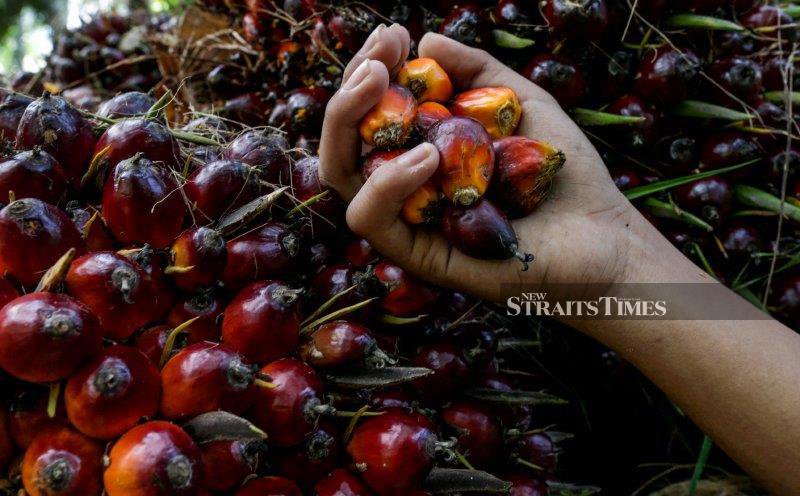
Malaysia must adopt a diversified approach to its palm oil trade, balancing its relationships with Europe and emerging markets like India, Africa, and Türkiye. While Europe is no longer the dominant destination for Malaysian palm oil exports by volume, the continent still holds significance due to the presence of Malaysian refineries, customers, and distribution networks.
Moreover, European standards and expectations, such as traceability and carbon reporting, continue to influence supply chains globally. In contrast, India and Africa present emerging opportunities, as these countries seek refining, storage, packaging, technical training, agronomy, and more extensive involvement in the value chain.
For Africa, the growing cities, rising food demand, and need for affordable edible oils create real opportunities. However, simply acknowledging these markets as alternatives is insufficient; demand must be earned through factors such as price, reliability, logistics, investment, and trust. Malaysia's strengths in cultivation, processing, oleochemicals, biomass, methane capture, research, and skills development can be leveraged to create partnerships rather than impose prescriptive solutions.
While environmental concerns surrounding deforestation, biodiversity, and emissions are valid, Malaysia should advocate for evidence-based, commodity-neutral, proportionate, and workable regulations. It should not surrender its scientific institutions, certification framework, and conservation responsibilities in the pursuit of gaining approval from Brussels.
Simultaneously, Malaysia must invest in downstream manufacturing, introduce branded and specialized products, enhance domestic processing, and develop a robust biodiesel pathway. Careful sequencing of these initiatives is essential to ensure that fuel quality, engine performance, logistics, subsidies, and food price effects are all taken into account.
Indonesia's experience, although not a direct template, provides valuable insights into building leverage in the global market. Ultimately, Malaysia must navigate the complexities of both old and new markets with discipline, ensuring that no single buyer dominates its exports. The wisest approach involves tending to existing relationships, planting new opportunities, and safeguarding against becoming overly reliant on any single market.
Written by urgent.news from New Straits Times's reporting — not their text. Machine-written — may contain errors; check the original before relying on it.