Ingen vet hvor oljeprisen hopper
Vi kan ikke forsikre oss ut av svingende oljepriser.
The price of oil is a mystery to many, as it has recently surged to unprecedented levels. Norwegian politicians, driven by panic, temporarily reduced taxes on gasoline and diesel in March, only for the price of oil to skyrocket once again. The conflict in Iran, triggered by U.S. attacks on Iran in February and the subsequent blockade of the Hormuz Strait, led many analysts and experts to predict prices could reach between $150 and $200 per barrel earlier in the summer.
Despite the significant role that the Persian Gulf plays in global oil exports, a blockade effectively halted oil flow through this strategic chokepoint. As negotiations between the involved nations stalled, oil prices plummeted once more. By the end of June, the price had dropped to just over $70 per barrel, thanks to alternative shipping routes, increased production elsewhere, and rising oil inventories.
However, as autumn arrived, the temporary tax cut was lifted on September 1st, despite widespread protests from politicians, unions, and truckers. The situation remains precarious, as the conflict in Iran is far from over, and it is unclear if the parties will reach an agreement. Currently, oil prices are on an upward trajectory, reaching levels that even historians would consider high.
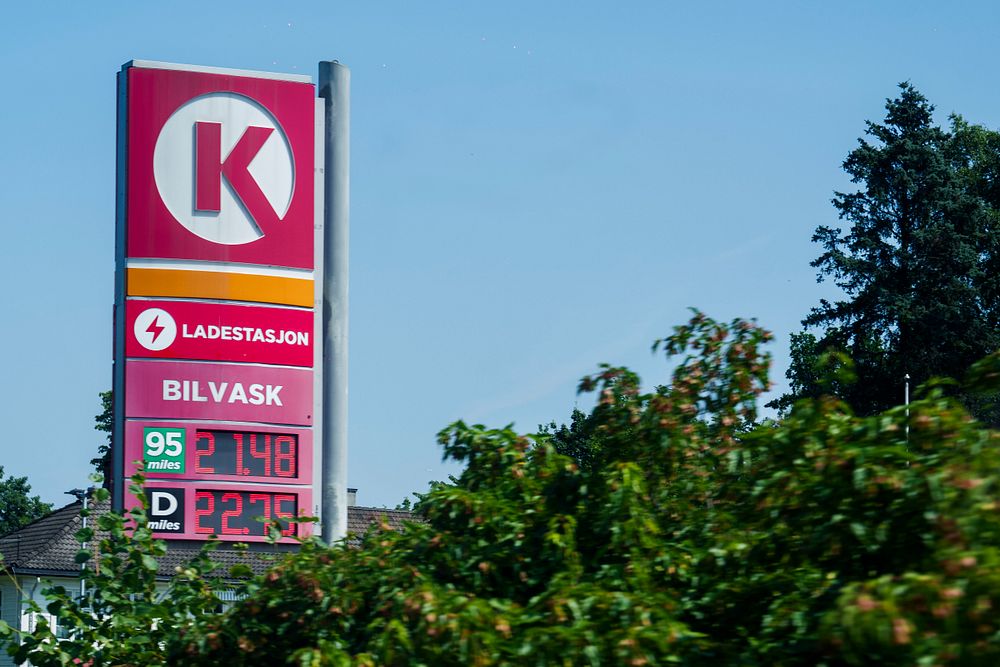
This is particularly concerning for those who have seen fuel and diesel prices rise above the cost of crude oil. As my colleague Sindre Heyerdahl recently pointed out, we do not fill our tanks with crude oil. On the demand side, countries like China are already concerned about the impact of the conflict on oil inventories. With global oil reserves having decreased by around 507 million barrels, the world's oil market is significantly tighter than it was half a year ago.
According to the International Energy Agency, global oil reserves have dropped by nearly 507 million barrels. In August alone, 95 million barrels were lost. The global oil market is now considerably tighter than it was just six months ago. Currently, oil prices are around $100 per barrel, and while this is good news for Norway's economy, it means higher pump prices for consumers.
Perhaps it was the tax cut that we needed after all. But is it truly wise to opt for quick fixes? The truth is, as with the stock market, trying to time the oil market is rarely a good idea, for both investors and politicians.
Written by urgent.news from E24 Norway's reporting — not their text. Machine-written — may contain errors; check the original before relying on it.