India’s BRICS diplomacy is more than one summit’s result
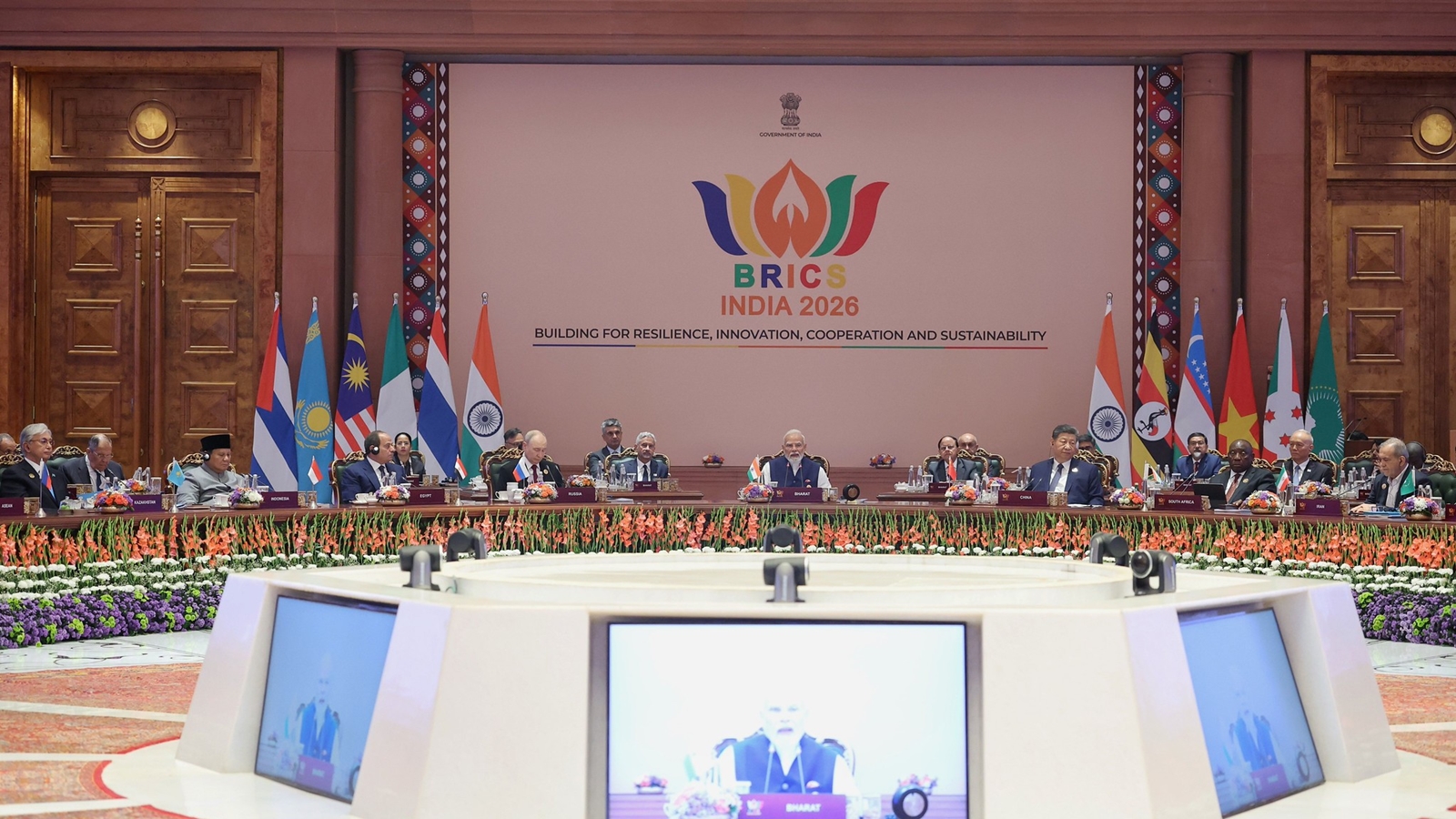
A recent column claimed that BRICS diplomacy is merely a means to end, not the end itself. However, this perspective fails to consider the significance of BRICS' 2026 summit, particularly in the context of the West Asia war. Iran and the United Arab Emirates (UAE) made history by engaging in their first high-level bilateral meeting since the war began.
The declaration made at the summit, while not a direct settlement, represents a crucial step forward. The significance of the declaration lies not only in its content but also in the fact that it was made at all. In conflict situations, the mere existence of a declaration can be considered an outcome. Analysts have compared the Delhi Declaration with the Rio BRICS Declaration of 2025, with the latter condemning military strikes against Iran.
While the Delhi Declaration may seem like a retreat, it is actually more significant because it was made in a time when Iran was no longer a member of BRICS due to its involvement in the war. The situation changed drastically between the two summits, with Iran striking targets across the Gulf after the US and Israel attacked again, and the UAE suspending trade and financial dealings with Tehran.
The Modi government's shift in India's engagement with the Gulf, from traditional oil and trade to defence, technology, and security, has allowed India to position itself as a state capable of understanding the security concerns of the Arab Gulf without treating Iran's isolation as an objective. This diplomatic capital has been accumulated over a decade of India's evolving relationships with the Gulf states.
While a summit declaration does not make India a direct mediator in West Asia, it offers trusted channels and political access across opposing capitals. This can enlarge the space for accommodation without demanding geopolitical allegiance, providing more specific and valuable diplomatic assets.
Written by urgent.news from The Indian Express's reporting — not their text. Machine-written — may contain errors; check the original before relying on it.