Illegal mines threaten biodiversity and drinking water in Ghana’s Atewa Forest
Every day, scores of illegal miners on motorbikes swarm into the Atewa Forest Reserve, in eastern Ghana — ignoring the handful of Forestry Commission guards charged with keeping them out. Inside the reserve, the miners have stripped forest cover and excavated pits, their passage marked by abandoned equipment and temporary camps and muddy and polluted […]
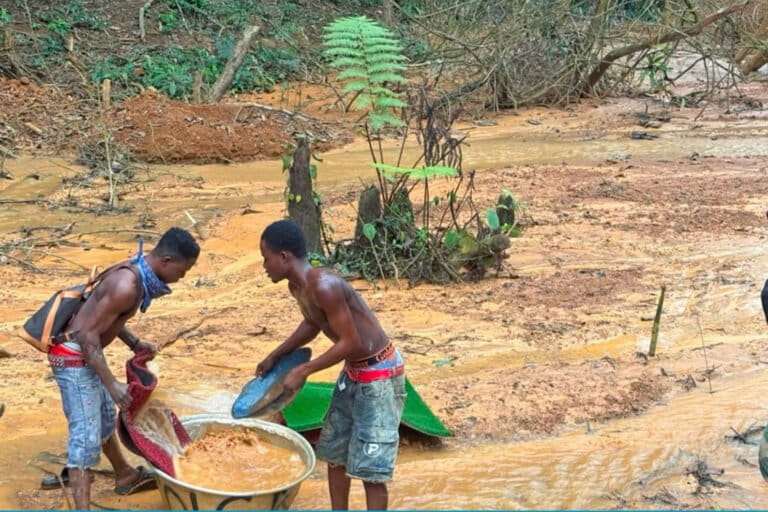
In eastern Ghana, illegal mining operations are wreaking havoc on the Atewa Forest Reserve, a critical habitat for biodiversity and a source of drinking water for millions of people. Despite the presence of Forestry Commission guards, hundreds of miners in motorbikes regularly infiltrate the reserve, leaving behind a trail of destruction. Clear evidence of their presence includes cleared forest areas, abandoned machinery, makeshift camps, and contaminated streams.
Daryl Bosu, deputy national director of operations at A Rocha Ghana, a conservation group that has been monitoring the Atewa and other forested regions for a decade, highlights the severity of the issue. According to Bosu, records from the Forestry Commission and court documents back their claims. A Rocha has been instrumental in a civil society coalition that has vehemently opposed government plans to mine for bauxite in the reserve.
Bosu explains that the miners' activities have caused significant changes in the water bodies within the reserve. Once crystal-clear rivers and streams are now choked with sediment, a stark indication of the miners' impact. Furthermore, the miners have felled trees lining the water courses, which may have been contaminated with hazardous substances like mercury, cyanide, and arsenic, commonly utilized in unlicensed mining operations.
The Forestry Commission has expressed frustration over the unprecedented assault on the Atewa forest due to mining, emphasizing their overwhelming pressure. The aerial image of a mine site within the Atewa Forest serves as a stark reminder of the ongoing environmental crisis.
Written by urgent.news from Mongabay's reporting — not their text. Machine-written — may contain errors; check the original before relying on it.