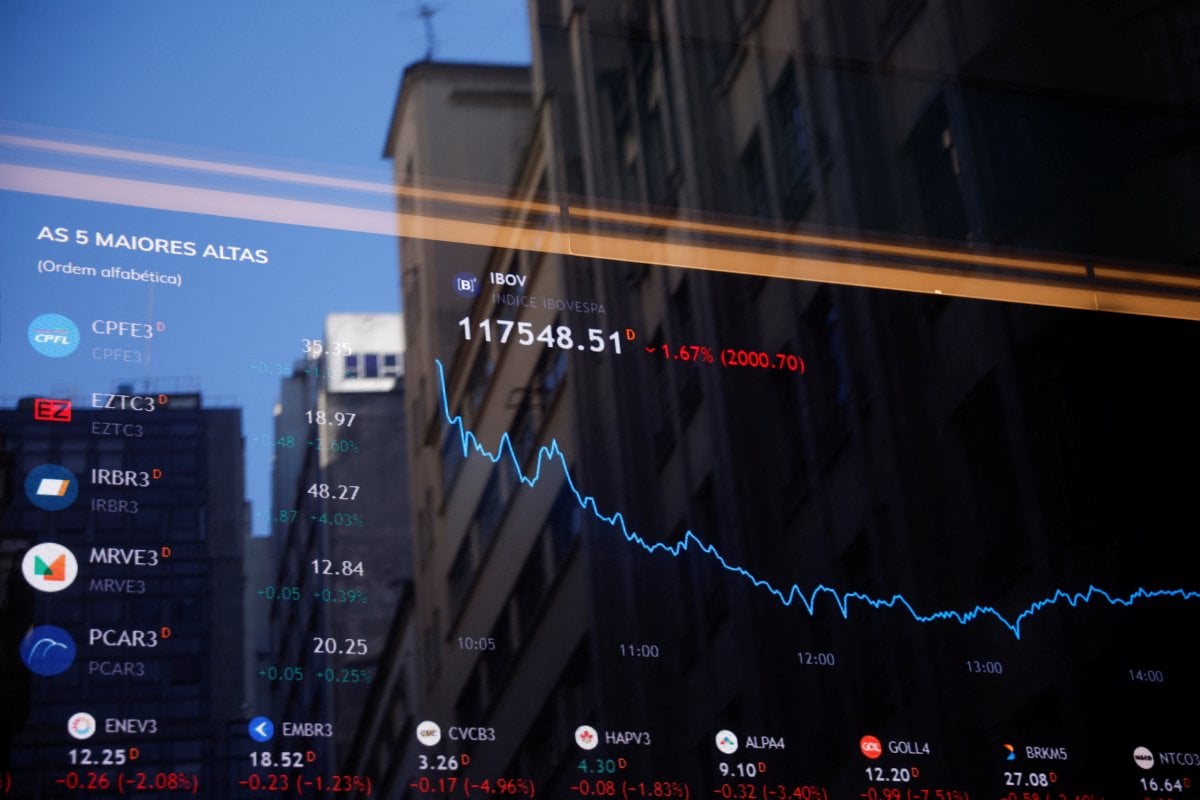
If inflation is falling, why do Malaysians still feel food prices biting hard?
KUALA LUMPUR, Sept 22 — Malaysia’s inflation rate is slowing, yet the cost of a meal or a basket of grocerie...
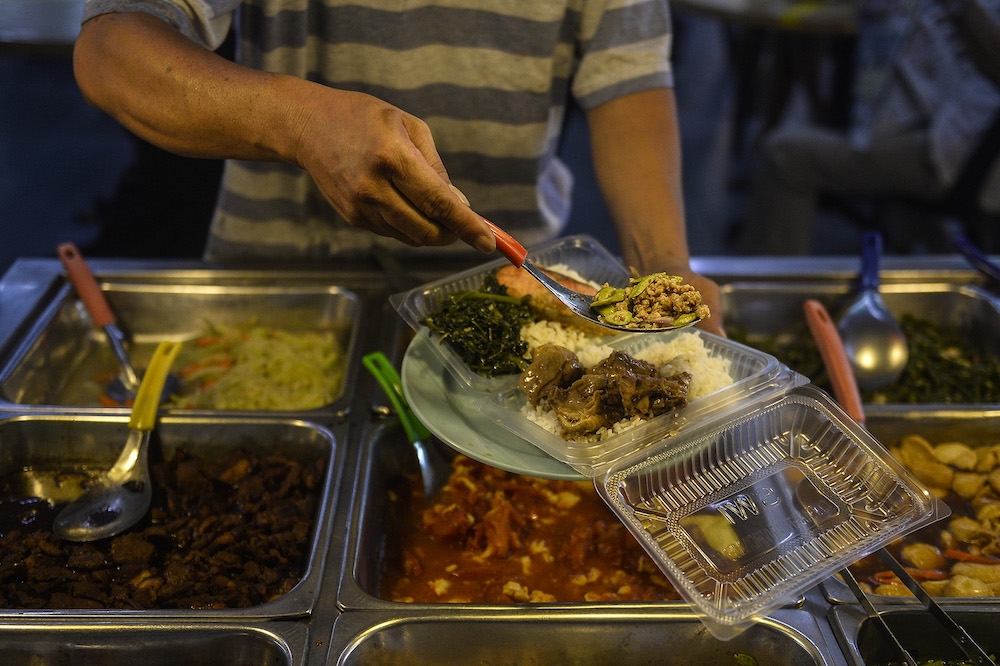
KUALA LUMPUR, Sept 22 — Despite Malaysia's inflation rate slowing, meals and grocery baskets still often feel more expensive than a year or two ago. If inflation is decreasing, why do items still seem costlier? When people say inflation is the cause, what exactly do they mean?
Inflation indicates how quickly overall prices of goods and services rise, not whether prices are currently high or low. When inflation slows, prices may still increase, but at a reduced rate. For instance, a plate of nasi lemak that costs RM5 would still be RM5.61 after two years if prices rose by 10% the first year and then 2% the second year. The price remains RM5.61, even though inflation has dropped from 10% to 2%.
Inflation measures the rate at which prices of goods and services increase over time. It doesn't imply every product becomes more costly by the same amount. So, when someone says "it's inflation," they usually refer to a general rise in prices. Inflation doesn't explain why a specific item has become more expensive. To understand the nasi lemak's price rise, we must examine its ingredients and other costs.
Did ingredient prices, wages, rent, or other costs rise? Those could be the reasons for the price increase, while inflation reflects the broader economic trend.
Although Malaysia's inflation eased from 1.9% in June to 1.8% in July 2026, the July figure shouldn't be interpreted as every item becoming 1.8% more expensive. Out of 573 items in the CPI basket, 374 saw price increases, 157 decreased, and 42 remained unchanged. Of the 374 items that increased, 367 rose by 10% or less.
DOSM reported that food inflation increased from 1.4% in June to 1.8% in July 2026, with a 0.3% monthly rise. Meat prices jumped 3.2% year-on-year, with chicken seeing a particularly strong increase from RM10.25/kg in 2025 to RM10.88/kg in 2026. Chicken inflation itself rose 6.7%. Food away from home rose 2.5%, while food at home increased 1.2%. Other categories, like fish and seafood, fruits and nuts, vegetables, and milk and eggs, saw smaller increases.
Prices can also decrease. According to DOSM's 2025 data, food inflation was 2.1%, but several food-at-home categories saw price declines. Vegetables fell 4.4%, milk and eggs fell 0.9%, while meat and cereals fell 0.3%. A household buying more chicken or eating out regularly might feel a stronger increase than one buying more vegetables or cereals.
Malaysia's situation isn't unique. In Indonesia, Bank Indonesia reported volatile-food inflation easing to 2.52% year-on-year in July 2026, down from 5.58% in June, due to harvests and government coordination to control inflation. Thailand also saw food prices rise by 0.98% year-on-year in April 2026, with prepared food and some fresh vegetables becoming costlier, while several fruits and other items saw declines.
In Malaysia, moderation is due to lower cost pressures and a stronger ringgit, which helped contain imported goods and input costs. Bank Negara also cited lower global cost pressures and fuel prices as factors keeping inflation in check. These factors reduce some pressure but don't mean prices have returned to pre-increase levels.
For households, falling inflation doesn't guarantee lower meal costs. A plate of nasi lemak's price depends not just on ingredient costs but also labor, rent, utilities, transportation, packaging, and other operating expenses. Even if one ingredient's price falls, the final price for consumers may not decrease by the same amount.
There can also be a time lag between changes in input costs and what consumers pay. Food prices are also influenced by global commodity prices, transport costs, global commodity prices and government measures.
Written by urgent.news from Malay Mail's reporting — not their text. Machine-written — may contain errors; check the original before relying on it.
This story
This is one outlet's version. Read the fullest account.