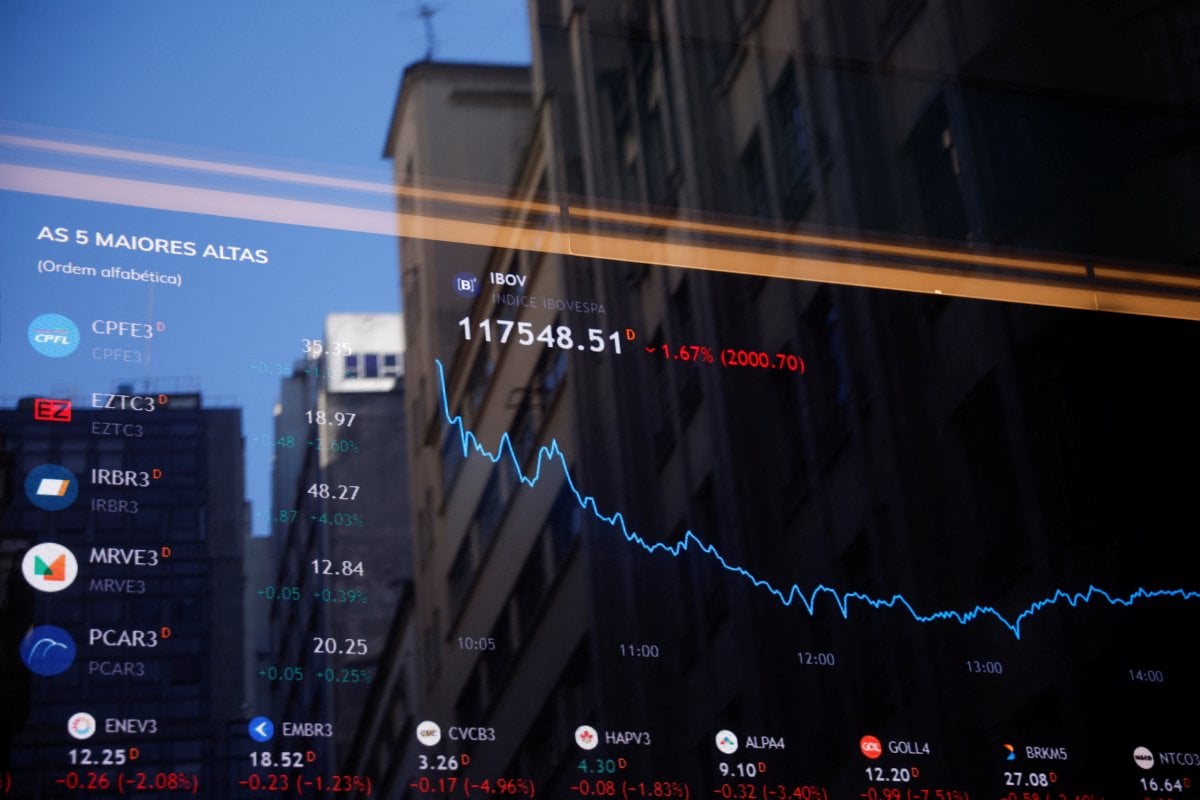
If inflation is falling, why do Malaysians still feel food prices biting hard?
KUALA LUMPUR, Sept 22 — Malaysia’s inflation rate is slowing, yet the cost of a meal or a basket of grocerie...
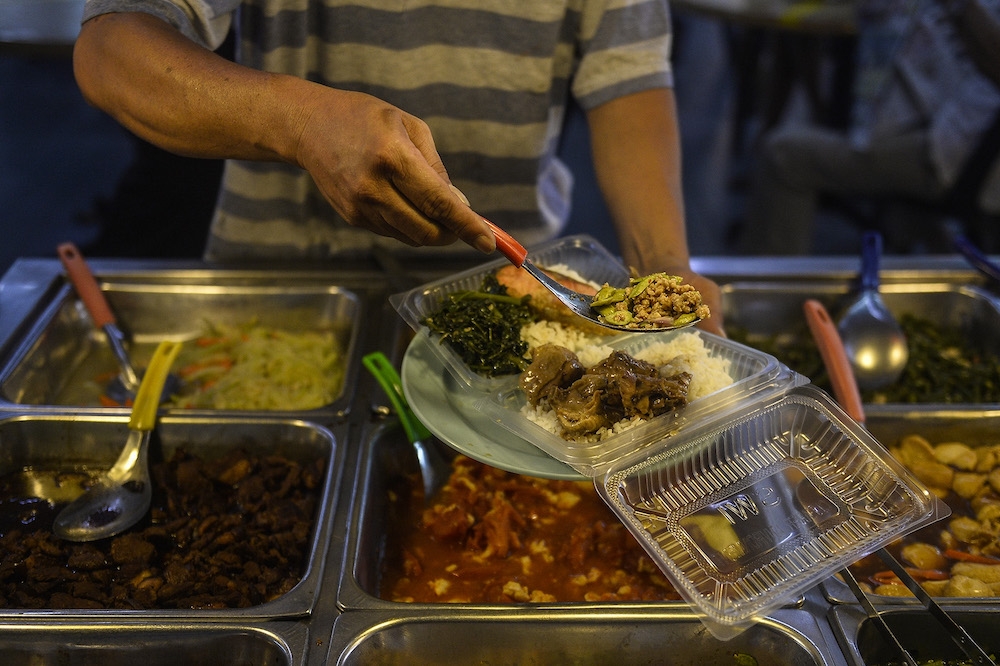
In Malaysia, inflation is currently declining, yet the cost of a meal or a basket of groceries still feels high for households. Inflation is a measure of how quickly overall prices of goods and services are rising, not whether they are already high. When inflation falls, prices can still continue to increase, just at a slower pace.
For example, a plate of nasi lemak that costs RM5 could rise to RM5.50 the following year, representing a 10% increase. If it then rises to RM5.61 the year after, the increase is about 2%, even though inflation has fallen from 10% to 2%. The nasi lemak still costs RM5.61, despite inflation having decreased.
Inflation measures the rate at which overall prices of goods and services increase over time, but it doesn't mean every product becomes more expensive by the same amount. To understand why a particular item, like nasi lemak, has become more expensive, we need to look at its ingredients and other costs. Factors such as ingredient prices, wages, rent, and other operating costs could be driving the price increase.
Even when inflation is falling, prices can still rise. According to Malaysia's Department of Statistics, Malaysia's headline inflation eased from 1.9% in June to 1.8% in July 2026. Of the 573 items in the Consumer Price Index (CPI) basket, 374 recorded price increases in July, while 157 declined and 42 remained unchanged. Of the 374 items that increased, 367 had increases of 10% or less.
Prices can also fall, as demonstrated by some food categories in Malaysia. Vegetables fell 4.4%, milk and other dairy products and eggs fell 0.9%, meat fell 0.3%, and cereals and cereal products fell 0.2%. However, food away from home increased by 2.5%, while food at home rose by 1.2%.
Several factors can influence food prices in Malaysia, including supply conditions, global commodity prices, transport costs, and government measures. In Indonesia and Thailand, similar trends have been observed, with volatile-food inflation easing in Indonesia and food prices rising in Thailand. For households, falling inflation means that while the overall cost of living may decrease, individual prices for goods and services can still vary.
Written by urgent.news from Malay Mail's reporting — not their text. Machine-written — may contain errors; check the original before relying on it.