How Trump’s repeal of the greenhouse gas rule could double new emissions from Georgia
The state’s largest utility was already expanding power plants to serve data centers.
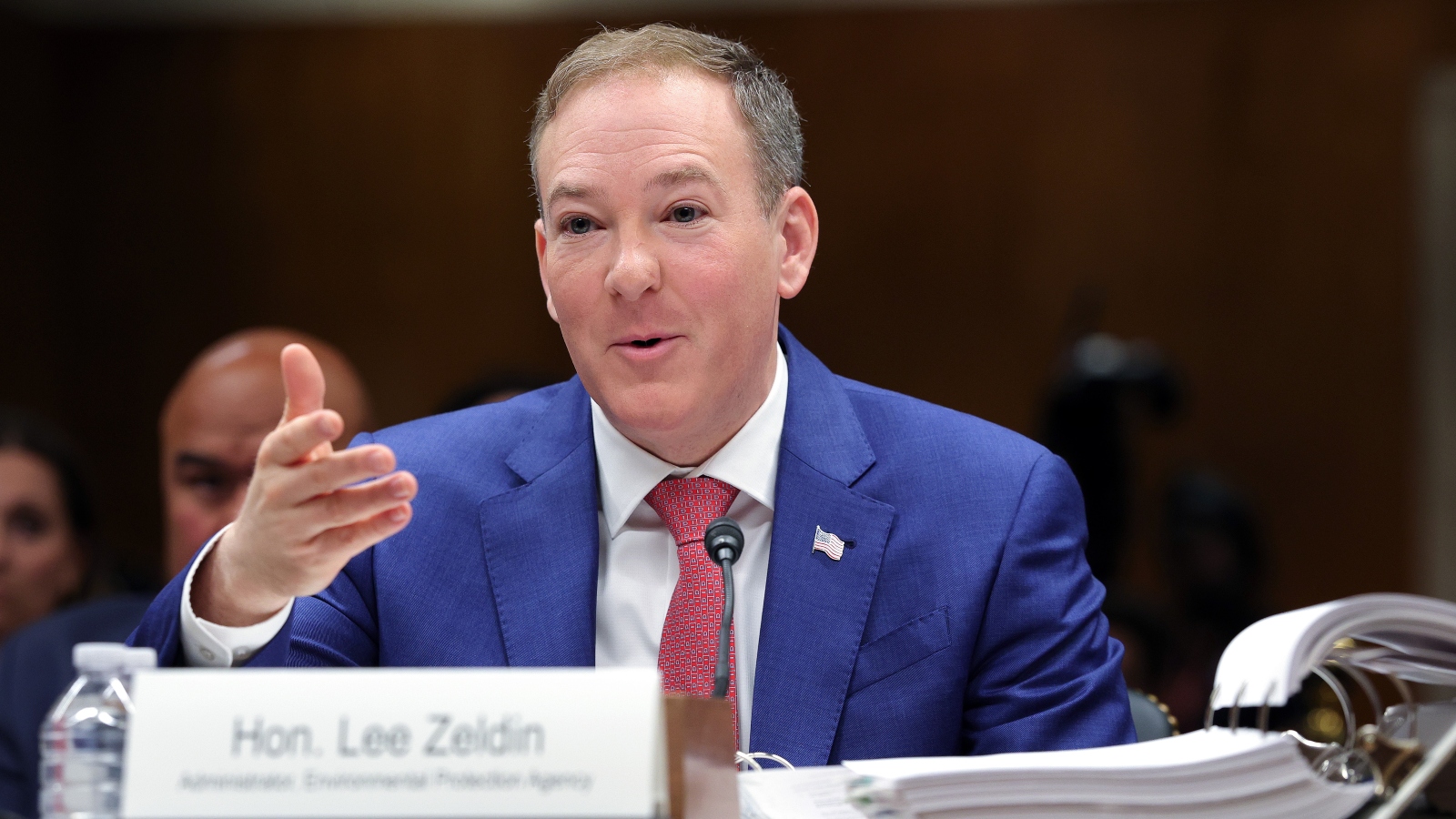
Environmental and public health organizations are contesting the Trump administration's proposal to repeal greenhouse gas standards for power plants. This move is anticipated to escalate emissions in Georgia, according to advocates. In their legal action, groups like the Natural Resources Defense Council and American Public Health Association assert that the proposed amendment jeopardizes public health and the environment.
Georges C. Benjamin, CEO of the American Public Health Association, remarked, "Clean air is a basic human right. Power plant pollution threatens the health of millions of Americans and exacerbates climate change, leading to extreme heat, compromised air quality, and other severe health risks." The EPA rule at the center of this dispute permits coal plants to either utilize carbon capture technology or shut down entirely, with a deadline of 2032 for compliance.
For new natural gas plants, utilities would have to install carbon capture or operate the plants less frequently.
In Georgia, the Biden administration's rule, which most experts believe was intended to phase out coal, was already showing progress. In its 2022 long-term plan, Georgia Power, the state's largest electricity utility, concluded that it was too costly to maintain its coal plants with carbon capture systems and decided to retire them.
Under Trump, however, the company's strategy shifted. Maggie Shober of the Southern Alliance for Clean Energy notes that utilities had been planning for the repeal of the Biden rule since Trump was elected to a second term. In fact, over a year ago, Georgia Power secured approval from the Georgia Public Service Commission to postpone retiring two coal plants, extending one at Plant Scherer and three at Plant Gaston.
In 2024, the latest year for which data is available, Plant Scherer, located near Macon, emitted more than 8 million tons of carbon dioxide, while Plant Gaston, situated in Alabama, released over 2 million tons.
When the company decided to delay these coal retirements, Shober explained, "technically the regulation would have been still in effect, but everybody understood it was not going to stay in effect. So they could roll back those coal retirements without planning to put carbon capture on them." During resource planning hearings in 2025 - the process that led to the postponement of the coal retirements - Georgia Power officials stated that to accommodate regulatory uncertainty, the company conducted nine planning scenarios, three of which involved adhering to the rule and six of which did not.
"These scenarios provide a flexible framework for the company to evaluate its options among differing plausible future scenarios, enabling it to make informed resource planning decisions," said Jeff Grubb, the utility's director of resource policy and planning. The 2025 planning agreement mandated that Georgia Power pursue compliance with the Biden-era EPA rule for plants Bowen and Scherer and report updates regularly to the commission, including the company's assessment of the current legal status of the rule.
Presently, Georgia Power continues to operate several coal plants and is constructing substantial new generation from methane gas, also known as natural gas, in response to increased demand from data centers. Without EPA restrictions, Shober predicts that emissions from these new gas turbines could more than double. Under the Biden-era EPA rules, the utility would only have been able to operate the new gas turbines for about 40 percent of a year, generating around 4 million tons of carbon dioxide annually, according to Shober.
If the EPA's proposed changes take effect, the company would be permitted to run the turbines for 85 percent of a year, resulting in an estimated 8.5 million tons of emissions. The finalization of the EPA's rule change is yet to occur, with a public comment period still pending and several groups already suing to halt it. However, as seen with the Trump administration, the mere existence of a rule does not necessarily dictate the actions of utility companies.
Georgia Power's parent company, Southern Company, did not grant an interview or respond to specific inquiries. A spokesperson sent a statement stating that the company "supports regulatory certainty with a durable framework that leads to reliable and affordable electricity for our customers," without addressing the company's goal of achieving net zero greenhouse gas emissions by 2050.
Written by urgent.news from Grist's reporting — not their text. Machine-written — may contain errors; check the original before relying on it.