How to identify naturally ripened papaya: What to look for
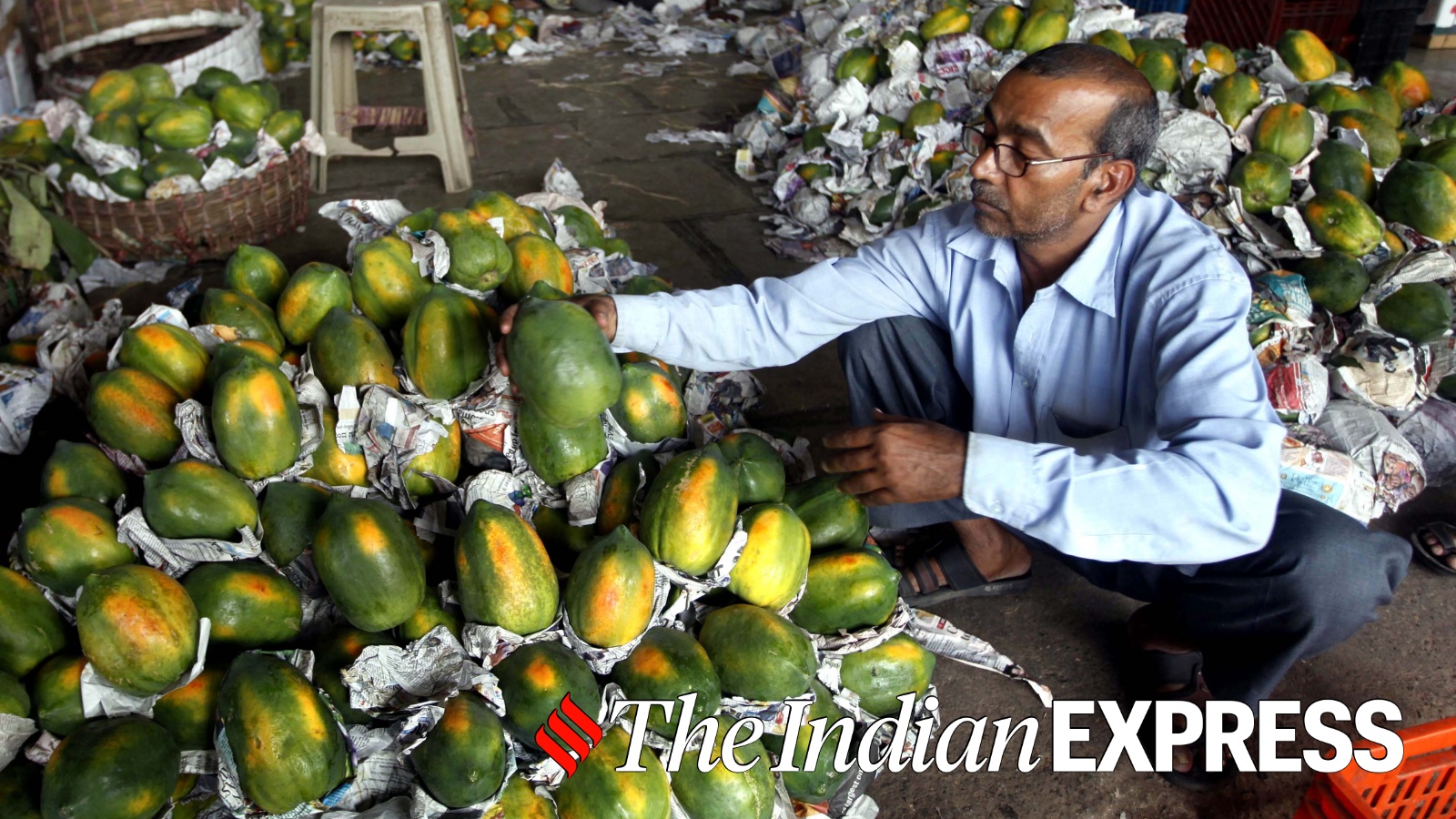
When purchasing papaya, do not rely solely on its colour to determine ripeness. A uniformly yellow fruit does not automatically indicate artificial ripening, notes Himanshi Sharma, Chief Clinical Nutritionist at ISIC Multispeciality Hospital. In fact, naturally ripened papayas can also turn a bright yellow or golden hue when allowed to mature fully on the tree.
Several factors influence a papaya's appearance when ripe, including the variety, growing conditions, and harvest stage. Instead of judging a papaya based on colour alone, pay attention to its aroma, texture, and overall look. Naturally ripened papayas typically exhibit a pleasant sweet scent, slightly soft flesh when gently pressed, and consistent ripening from the skin to the centre.
Conversely, a papaya that appears bright yellow on the outside but remains hard, pale, or unevenly ripe inside could raise suspicion. Additionally, such a fruit may lack the characteristic fruity aroma. However, these signs should not be considered definitive proof of artificial ripening, as they can also vary depending on the fruit's variety and growing conditions.
Artificially ripened papayas may sometimes retain a bright yellow exterior while remaining hard, pale, or unevenly ripe within. Ethylene gas, a common ripening agent, mimics the fruit’s natural ripening hormone and is generally considered safe when used appropriately. However, some traders may illicitly employ calcium carbide, which can release harmful substances and should be avoided.
The only foolproof method to detect certain ripening chemicals is through laboratory testing. To minimise the risk of consuming improperly ripened produce, buy papayas from trusted vendors who follow safe ripening practices. Signs of artificial ripening might include uneven ripening, a lack of aroma, or an unusually firm texture despite a yellow skin.
Yet, these indicators are not conclusive, and laboratory testing is the only accurate way to confirm the presence of specific ripening agents. When buying papaya, opt for fruits displaying natural signs of ripeness, such as a sweet scent and slight softness, and purchase them from reliable sources. While artificial ripening can potentially impact a fruit’s flavour and texture by shortening the natural ripening process, the nutritional differences between naturally and artificially ripened papayas may not always be significant.
Generally, naturally ripened fruits develop their flavour and quality more completely. Sharma advises consumers to avoid papayas suspected of being artificially ripened using unsafe chemicals and to choose fruit from trusted sources instead. Washing fruits thoroughly before cutting can help remove surface residues and dirt, while reporting concerns to local food safety authorities if suspicious fruits are repeatedly encountered can also be helpful.
Written by urgent.news from The Indian Express's reporting — not their text. Machine-written — may contain errors; check the original before relying on it.
This story
This is one outlet's version. Read the fullest account.
- How to identify naturally ripened papaya: What to look for indianexpress.com