How SE Asia can rise above the Mideast crisis
Crisis after crisis has tested Southeast Asia. Oil shocks, financial meltdowns and a global pandemic have all left their mark.
Southeast Asia has faced numerous crises, including oil shocks, financial setbacks, and the COVID-19 pandemic. The latest challenge is a new oil crisis, which is testing the region's energy security. For Malaysian state-owned energy company Petronas, the solution lies in diversification. Petronas LNG Ltd. CEO Rosdi Ab Rahman emphasized the need for countries to build resilient energy portfolios to navigate the Middle East crisis and minimize exposure to supply disruptions.
While diversification primarily applies to producers and sellers, it also holds responsibility for importing countries, according to Ab Rahman.
Resilience in the energy sector involves more than just finding alternative sources of supply. It requires strengthening relationships, infrastructure, and arrangements to ensure continuous energy flow during market disruptions. Liquefied natural gas (LNG) will continue to play a significant role in this equation, as LNG demand is expected to rise in the region due to growing electricity needs.
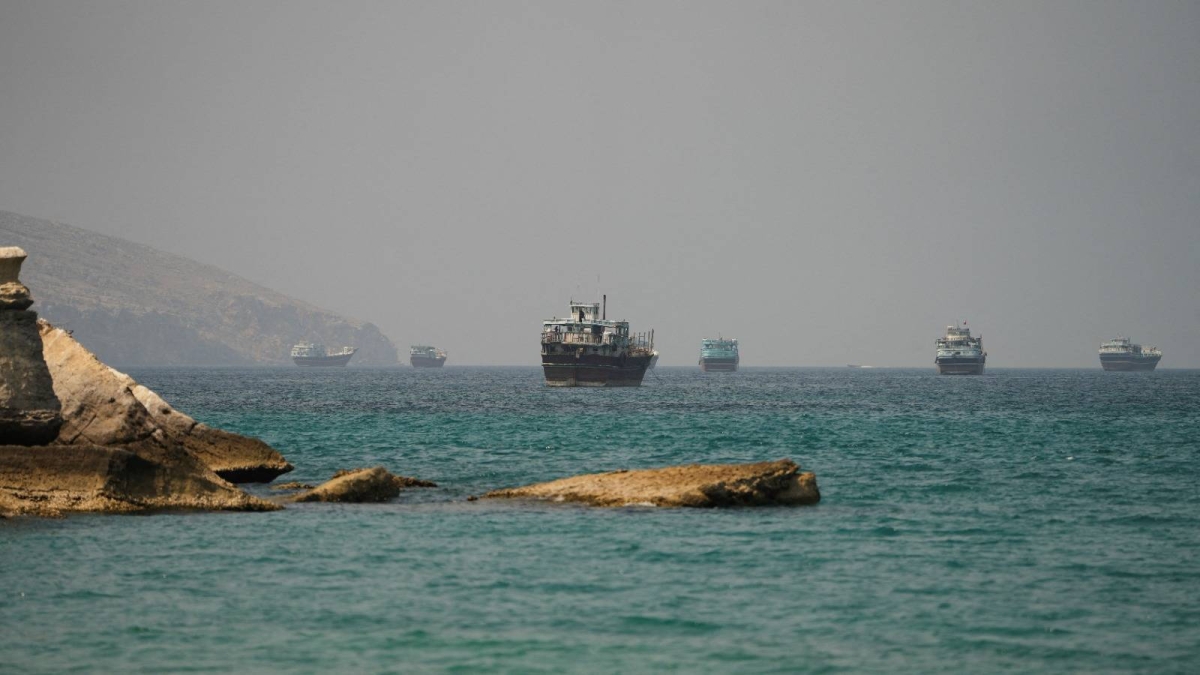
The recent Middle East crisis has exposed Southeast Asia's vulnerability to global disruptions. The region relied heavily on Middle Eastern oil and gas imports before the crisis. The Strait of Hormuz, responsible for approximately 20% of the world's oil and gas supplies, was closed due to geopolitical tensions. Consequently, around 60% of Southeast Asia's crude oil imports and a third of its gas imports originated from the Middle East.
This disruption has had a significant impact on the energy sector, particularly in the Philippines, where persistently high fuel and electricity prices have resulted.
Petronas is prepared to supply LNG to the Philippines and other countries in Southeast Asia. Ab Rahman highlighted that the company is actively diversifying beyond its original base in Malaysia. However, infrastructure readiness is another crucial aspect of energy security. Without proper infrastructure, countries will be unable to receive LNG imports.
Strengthening regional LNG supply can help Southeast Asia build greater resilience by providing countries with closer sources of energy. Collaboration among Southeast Asian nations is essential to accelerate infrastructure readiness and fulfill growing demand.
Written by urgent.news from Philippine Star Business's reporting — not their text. Machine-written — may contain errors; check the original before relying on it.