Govt vows not to allow ‘violent groups’ to reach capital
• Tarar says IHC ruling bars disruption of public movement, road closures • Protests may cost economy Rs120bn per day, Aurangzeb warns ISLAMABAD: Information Minister Attaullah Tarar on Sunday said the government would not allow any violent group to reach Islamabad or block roads, as ministers warned of the legal, economic and law-and-order consequences of upcoming protests by Pakistan…
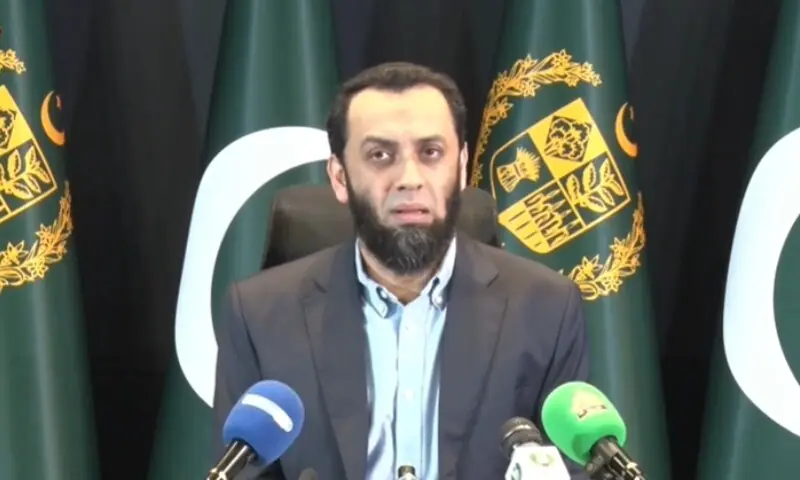
Islamabad's Information Minister Attaullah Tarar pledged on Sunday that the government would not permit any violent groups to approach Islamabad or obstruct roads. This warning came following protests from the Pakistan Tehreek-i-Insaf (PTI) and Jamaat-i-Islami (JI) parties, which threatened to disrupt public movement and close roads.
Tarar emphasized that the Islamabad High Court (IHC) had ruled against road closures and public movement disruption. The administration, including the police and interior minister, were determined to ensure that such disruptions did not occur. Tarar stated that protesters aiming to cause unrest would not be granted access to the capital, and roads would remain open.
The PTI planned to stage a nationwide protest on September 27, marching towards Islamabad to demand the release of its founder, Imran Khan. Meanwhile, the JI organized a protest against the petroleum levy and intended to march to the federal capital. Finance Minister Muhammad Aurangzeb cautioned that strikes, sit-ins, long marches, and road closures could result in a daily economic loss of approximately Rs120 billion for the nation.
He explained that economic indicators had been improving after difficult decisions but warned that suspending economic activities due to protests could inflict significant self-inflicted losses, particularly affecting small traders and shopkeepers. Aurangzeb highlighted that the services sector, including financial services, communication, retail, transportation, wholesale, and hospitality, could suffer the most severe daily loss of around Rs86 billion, while the industrial sector might lose approximately Rs25 billion.
Agriculture could also face losses of around Rs9 billion. In addition, an extra revenue loss of about Rs17 billion per day was anticipated in the event of economic disruption. Aurangzeb noted that businesses and exporters were already grappling with rising costs due to disruptions in the Strait of Hormuz and Bab al-Mandab, increased freight and insurance expenses, as well as the ongoing threat of terrorism.
He cautioned that further political disruptions could jeopardize the government's export-led growth objectives. The export target for the fiscal year stood at $35.9 billion, with a growth rate of six percent expected. Aurangzeb also expressed concern over the potential impact on IT exports, which amounted to $811 million during July and August, averaging around $13 million daily.
He mentioned that internet connectivity disruptions during previous episodes of civil disobedience had led to an 80% decline in IT exports. The finance minister underscored his responsibility to present facts, figures, and potential downsides of what he termed "self-inflicted pain" and called for dialogue to address outstanding and political issues.
Written by urgent.news from Dawn's reporting — not their text. Machine-written — may contain errors; check the original before relying on it.