Gold over school: How poverty keeps Niger children in mining pits
For 15-year-old Musa, gold mining started when he was barely 10. Five years later, the teenager is no longer in school and spends his days looking for gold around Minna, a decision he says was forced on him by poverty and the need to support his family. “I want to go back to school, but […] Gold over school: How poverty keeps Niger children in mining pits
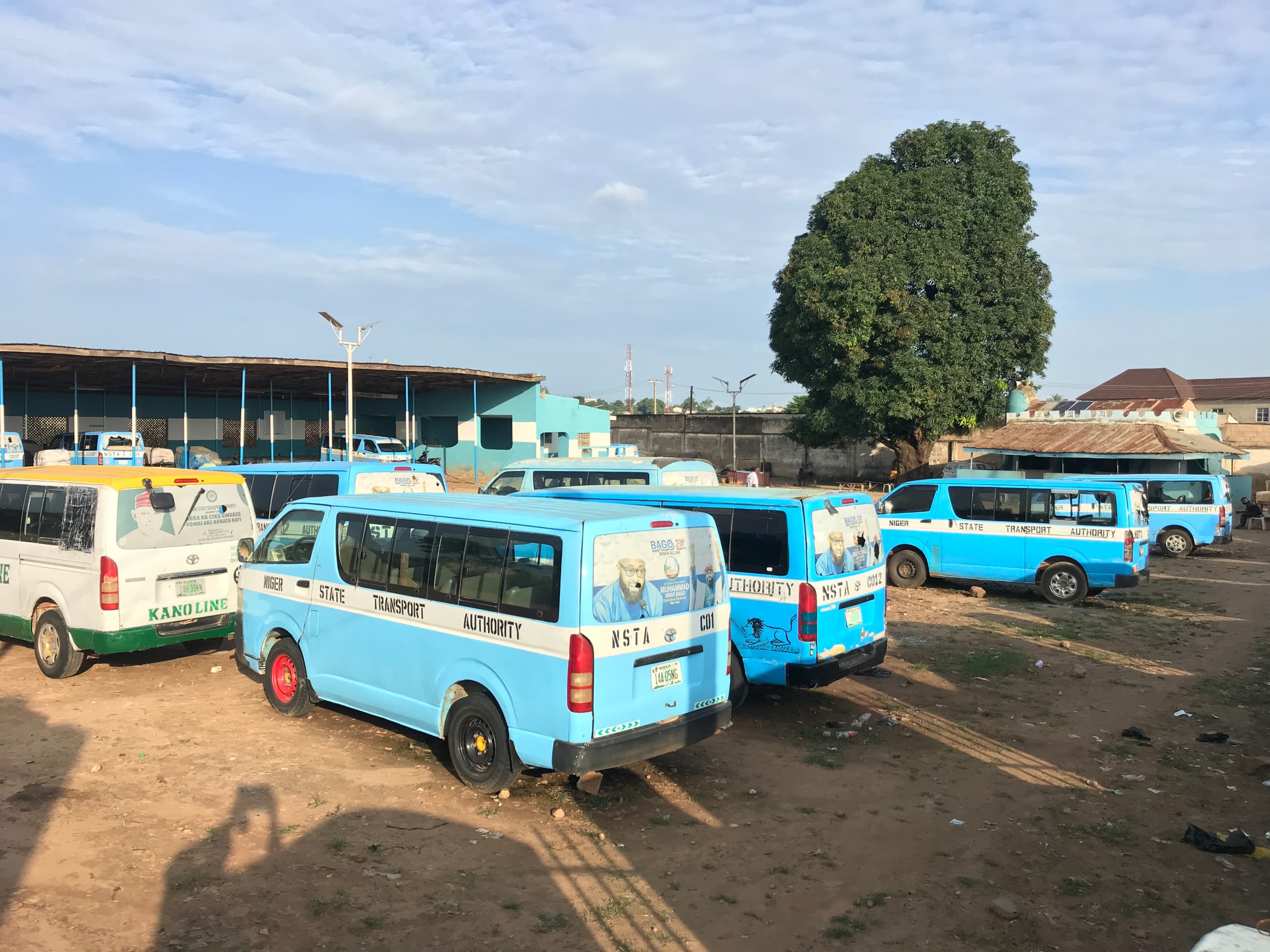
In Minna, a 15-year-old named Musa began gold mining at the tender age of ten. Now five years later, he has dropped out of school and spends his days searching for gold due to poverty and the necessity to support his family. Musa expressed his desire to return to school, but lacking the funds to do so, he remains in the mines. Musa's story is indicative of a larger issue, as numerous young individuals have left their classrooms to seek daily income in the mining pits.
The recent death of suspected illegal miners in NSCDC custody has brought the issue to the forefront, prompting questions about the circumstances surrounding the deaths and the reasons behind the continued involvement of people, including children, in mining communities despite various enforcement operations. In the Kuta area of Shiroro Local Government Area, the impact of mining on education has become a concern.
A school principal informed DAILY POST that many schools in the region have seen reduced enrollment, as children are drawn to the immediate income from mining rather than remaining in school. Some parents questioned the value of keeping their children in school due to financial difficulties and the uncertainty of employment after graduation.
For some families, mining provides a means to meet immediate needs, pay school fees, and maintain sustenance. This leaves young individuals facing a challenging decision between a precarious future through education and immediate income from mining. Some families, including Kudu, an 18-year-old from Minna, have become increasingly involved in mining, with family members participating in the activity while using the earnings to meet household needs and school fees for some children.
Miners reported making as much as N20,000 on a good day, though earnings can vary. Despite the dangers associated with mining, miners like 22-year-old Muhammad maintain that the work provides a means of daily living, acknowledging that death could happen anywhere. He expressed his intention to return to mining after his release, as he sees no other source of income.
Young miners like Hassan, who left school in Minna two years ago, and another miner who finished secondary school four years ago but could not continue due to financial constraints, illustrate the competition between immediate survival and long-term education. The expansion of mining has brought the activity closer to homes and community spaces, causing damage to properties and fences.
Residents have also alleged that miners threaten those who challenge their activities or attempt to stop them from digging near homes. Despite repeated arrests and releases, miners continue to return to mining sites due to a lack of alternative income sources. Some families have reportedly paid large sums for bail, with mixed results in securing the release of their children.
The NSCDC has arrested over 100 suspected illegal miners in Niger State this year, but the issue remains unresolved, with miners returning to the pits after being released. Governor Mohammed Umaru Bago questioned the lack of earlier intervention, highlighting the need for a more effective response to the issue.
Written by urgent.news from Daily Post Nigeria's reporting — not their text. Machine-written — may contain errors; check the original before relying on it.
Also reported by 1 other outlet
- How Niger State’s gold rush became a death trap for miners businessday.ng