Gegenpressing Brics+: Turning external pressure into institutional momentum — Rais Hussin
SEPTEMBER 21 — In football, gegenpressing (Jürgen Klopp’s Liverpool tactical masterclass) is often mist...
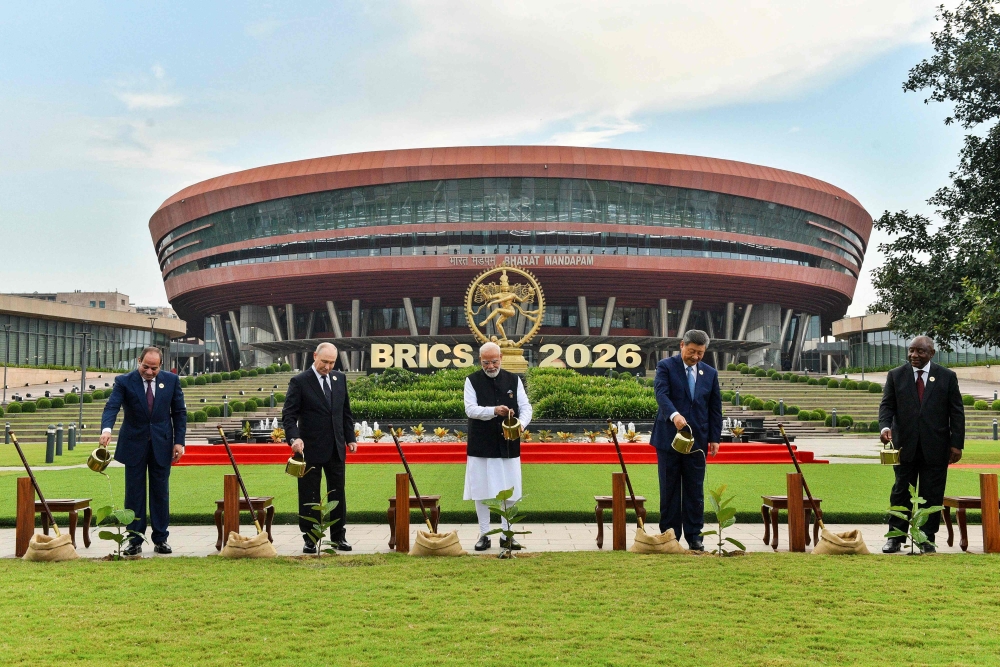
Football’s gegenpressing tactic—popularized by Liverpool’s Jürgen Klopp—often gets confused with frantic attempts to regain possession. However, the true art lies in tight spacing, rehearsed triggers during transitions, and multiple players closing the same escape routes before opponents reorganize. This same principle is now evident in Brics+ economic statecraft.
The New Delhi Declaration from the 18th Brics Summit doesn’t shy away from acknowledging global pressures like unilateral tariffs and non-tariff measures, as well as condemning unilateral coercive economic measures like sanctions. Yet, its significance goes beyond merely identifying these pressures. Brics has taken concrete steps with payment interoperability, local-currency financing, multilateral guarantees, insurance and reinsurance capacity, a New Investment Platform (NIP), settlement infrastructure, and development of the Contingent Reserve Arrangement (CRA).
This emerging financial formation is transitioning from declarations and designs to operational realities. The shift from declaration to design is evident in the New Delhi Declaration building upon the 2025 Rio de Janeiro Declaration, laying groundwork for financial autonomy. Initiatives like the Brics Multilateral Guarantees (BMG) and the Insurance Resilience Centre (BIRC), along with India’s Risk Lab at GIFT City’s IFSC, have progressed from concepts to practical implementations, such as pilot transactions.
The NIP has moved from concept to finalized guidelines and a dedicated Study Group, while settlement and depositary dialogue have led to technical workshops. Refining the CRA through treaty amendments and onboarding discussions is underway, with its ninth test run pending. Payment arrangements, insurance, investments, and settlement infrastructure have also advanced through the Brics Payment Task Force (BPTF) studying interoperability and discussions on local currencies in trade and investment.
While these developments show Brics+ institutions maturing, the challenge lies in integrating these institutions seamlessly. Even with functional components like the NDB, CRA, BMG, BIRC, Risk Lab, and NIP, the key is to ensure they work together as a cohesive system rather than isolated parts. A potential pilot transaction involving infrastructure or renewable energy across multiple Brics economies could test this integration.
The New Delhi Declaration acknowledges that Brics economies have varying exchange-rate regimes, capital-account rules, banking structures, technology, and commercial priorities. This flexibility allows for cooperative economic development without forcing uniformity, making Brics’ approach a promising model for economic cooperation.
Written by urgent.news from Malay Mail's reporting — not their text. Machine-written — may contain errors; check the original before relying on it.