Desperate and afraid: The pregnant Yemeni refugees giving birth in Djibouti
Pregnant women only days from delivering have fled the fighting on Yemen 's west coast, crossed the Red Sea in overcrowded boats and arrived at a refugee camp in Djibouti, driven by desperation and fear. After arriving in the towns of Obock, Khor Angar, Moulhoule or Godoria, some of them gave birth in the country. Most of the 3,100 Yemeni refugees are women and children, Unicef's representative…
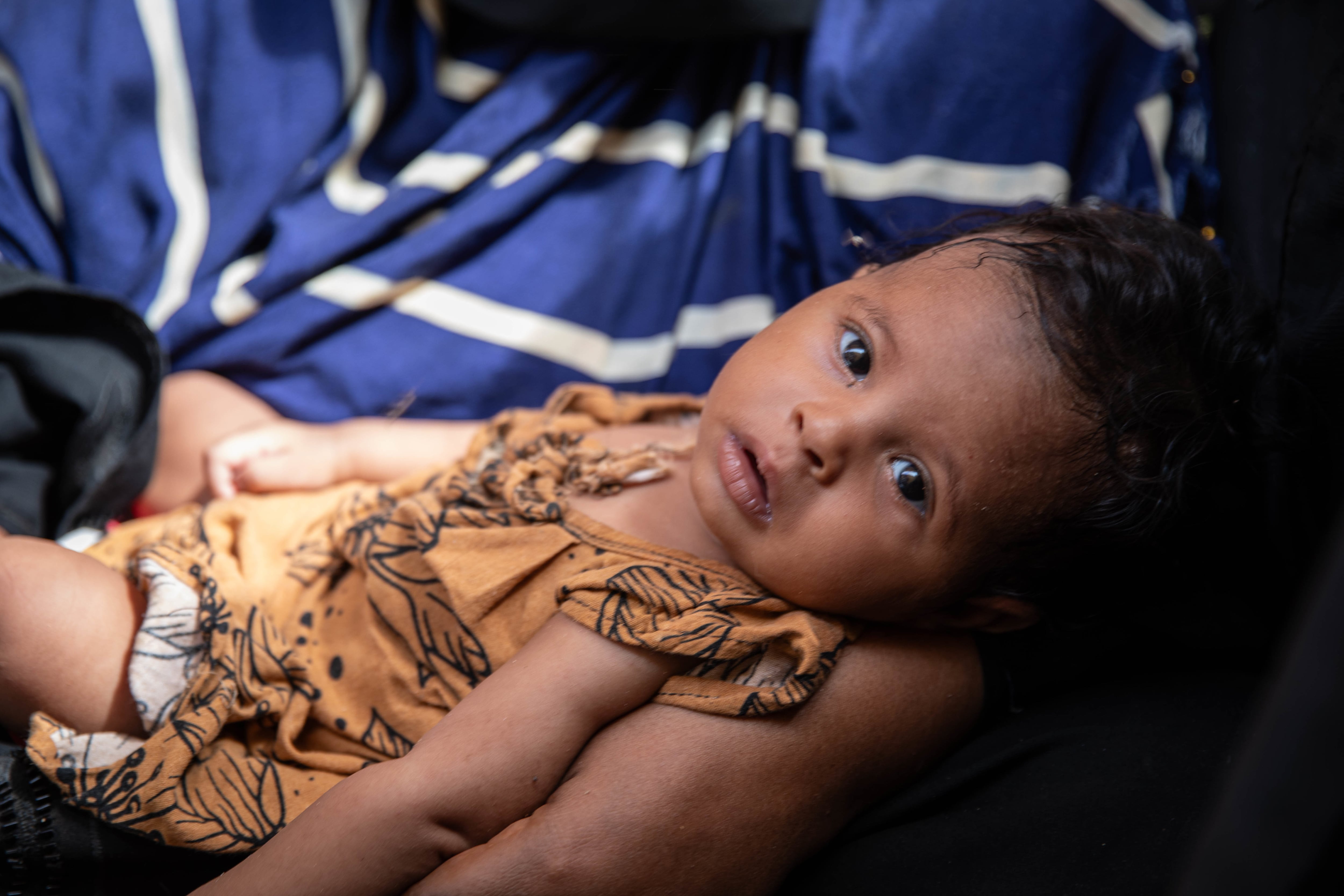
Pregnant Yemeni women, days away from giving birth, have fled the ongoing conflict on the country's western coast, embarking on perilous journeys across the Red Sea to reach safety. Upon arriving in Djibouti, a refugee camp, some of these women found themselves giving birth within its confines. The overwhelming majority of the 3,100 Yemeni refugees are women and children, according to Unicef's representative in Djibouti, Ramatou Toure.
She emphasized that these women fall into the most vulnerable category, highlighting the gravity of the situation. Toure noted that this influx of refugees could be the largest since the civil war began in 2014. Initially, the daily influx consisted of around 50 people; however, the number surged to 1,000 on September 13, following the Houthis' capture of the entire west coast.
The refugees, exhausted and dehydrated, are promptly provided with sustenance, but their needs often extend beyond basic necessities. Some mothers have to make heart-wrenching decisions, choosing between seeking medical attention for one child while leaving others behind, or staying in the camp with their entire family. To address these challenges, Unicef offers support to ensure children receive necessary care when required.
However, the sheer scale of the displacement has led to overcrowding, with some families resorting to sleeping in the open and engaging in disputes over limited resources. The ongoing conflict in Yemen is not new, as it has been raging since 2014, when the Houthis seized control of Sanaa, prompting a Saudi-led coalition to intervene on behalf of the government.
Prior to the current crisis, an estimated 2.2 million Yemeni children under five years old were acutely malnourished, necessitating urgent medical intervention upon arrival in Djibouti. Although the Yemeni government has been spearheading the humanitarian response, with various UN agencies and international NGOs providing aid as needed, the system faces imminent challenges.
Toure projected that 10,000 people might require assistance in the coming months. Unicef has launched an urgent appeal for $2.7 million to meet these immediate needs over the next three months, but the crisis remains egregiously underfunded, accounting for only 20% of the required support for Yemen's 2026 response plans. Furthermore, the crisis is often overshadowed by more recent conflicts in the region, making it one of the most neglected humanitarian emergencies worldwide.
Written by urgent.news from The National Business's reporting — not their text. Machine-written — may contain errors; check the original before relying on it.