As the US weighs restrictions on cloud computing, how will China’s AI sector adapt?
When Chinese artificial intelligence developers want to train their next-generation frontier models, they all face the same daunting wall: they cannot legally buy the world’s most powerful AI chips. However, the country’s tech giants and start-ups have still managed to quietly keep pace with global rivals. Their secret is an elusive workaround: moving heavy training workloads across borders…
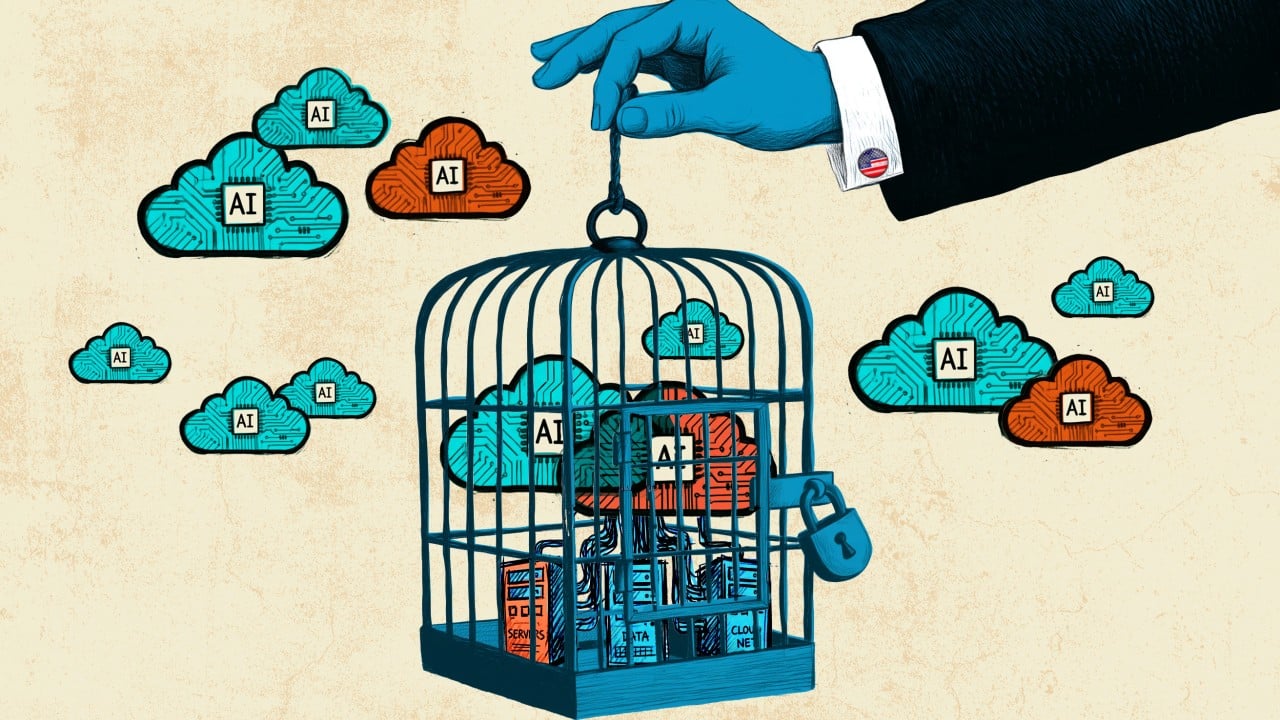
Chinese artificial intelligence developers have long been able to train their advanced models by leveraging cloud computing services located outside of the United States. By leasing server space in data centres across Southeast Asia, Japan, and the Middle East, domestic firms have quietly kept pace with global rivals despite the US chip export bans.
This workaround has allowed Chinese AI companies to bypass regulatory hurdles and maintain access to cutting-edge Nvidia processors. However, the US may soon put an end to this arrangement. As Congress considers legislation to restrict foreign remote access and review cloud leasing loopholes, China's AI sector faces what could be its most significant challenge since the chip bans were introduced.
The impending US crackdown could reshape the global AI ecosystem, impact Southeast Asia's data centre growth, reduce Nvidia's international revenues, and push Beijing to accelerate its domestic chip development efforts. Chinese developers have been known to take extreme measures to circumvent the chip embargo, such as physically transporting massive amounts of data using hard drives.
However, this method is becoming less feasible as cloud rental prices continue to rise. The US has been quietly reviewing remote access arrangements and is working on policies to curb access to cloud computing services. If the Remote Access Security Act, which expands American export controls to cloud leasing, becomes law, it could significantly impact Nvidia's sales growth.
Lawmakers and legal experts are concerned about the potential consequences for US tech giants, such as Oracle and Amazon.com, who would face increased scrutiny and penalties under the proposed regulations.
Written by urgent.news from SCMP Tech's reporting — not their text. Machine-written — may contain errors; check the original before relying on it.
This story
This is one outlet's version. Read the fullest account.