As renewed chaos grips the oil market, one country is keeping global prices down – by reducing demand
As renewed chaos grips the oil market, China is reaping the benefits of electric vehicles. But Australia’s reliance on diesel leaves it exposed
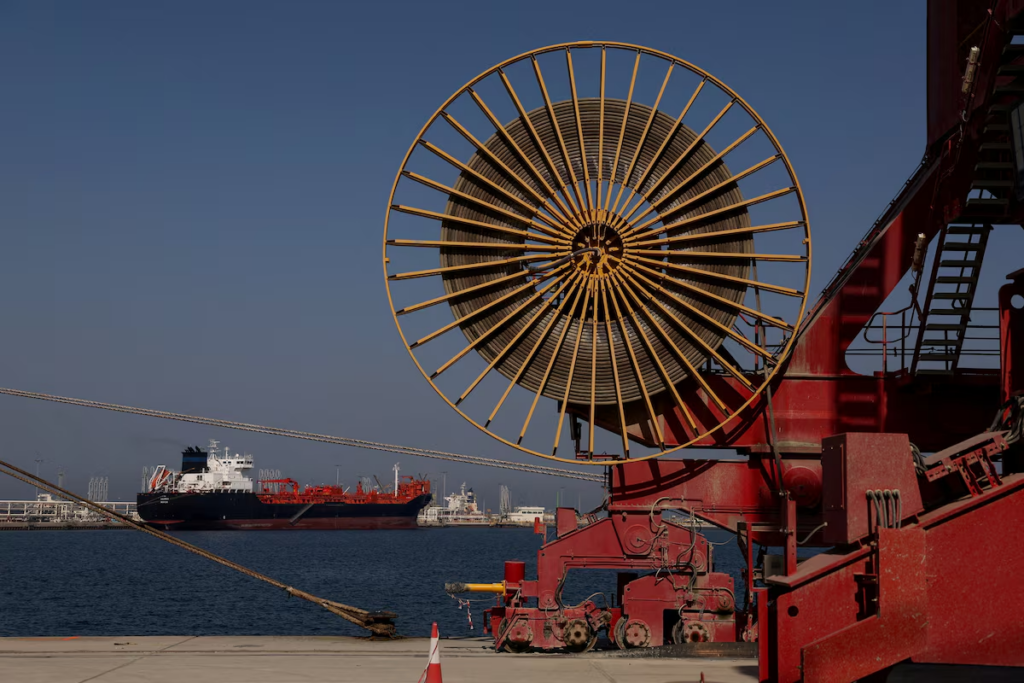
The oil market has been experiencing turmoil as tensions in the Middle East escalate. Prices have crossed the US$100 mark for the first time in months, thanks to the bombing of Saudi Arabia's East-West pipeline. This crucial pipeline, which served as a release valve for blocked exports, was damaged in a series of drone strikes, causing a major disruption in Saudi oil shipments. As a result, fuel prices have spiked worldwide, leading to protests and unrest in several countries.
China, the world's largest oil-consuming nation, has played a significant role in keeping global prices down. Despite the ongoing Middle East crisis, China has managed to reduce its demand for oil by cutting back on imports. This is due to a combination of earlier stockpiling and a rapid shift towards electric vehicles. China's oil consumption may have peaked in 2025, with experts predicting a 3.9% decrease in demand for 2026.
China's approach, which involves both cutting demand and exploring alternative energy sources, has helped stabilize oil prices. Other Gulf states, such as the UAE, have also re-routed their exports to avoid Hormuz, further contributing to the price stability. However, the situation remains uncertain, and experts warn that prices could potentially reach US$120 by the end of the year, or even lower to around US$55 by 2027, depending on various factors.
For Australia, this crisis highlights the risks associated with dependence on imported fuel, particularly diesel. As diesel prices approach A$3 per litre in some areas, the government is taking steps to boost diesel reserves, but this is merely a short-term solution. To address the long-term issue of fuel dependence, Australia could learn from China's pragmatic approach – investing in electric vehicles and turning to natural gas as an alternative to diesel.
Written by urgent.news from The Conversation AU's reporting — not their text. Machine-written — may contain errors; check the original before relying on it.